Orlando Residents Prepare for Stormy Winter as El Nino Pattern Brings Cooler Air to Central Florida
Weather experts warn that a strengthening El Niño and Indian Ocean Dipole could bring increased rainfall and occasional cold snaps to Orlando this winter season.
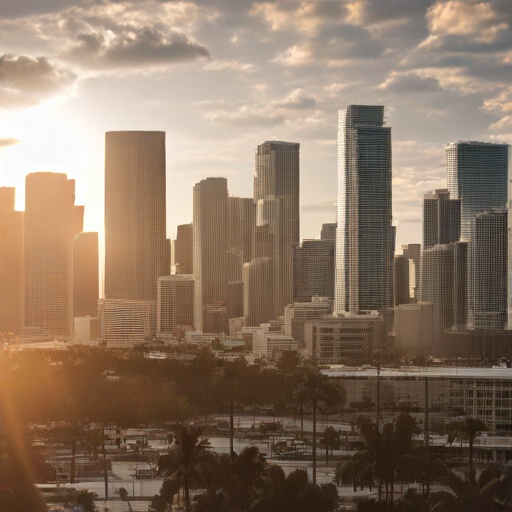
Residents across Orange County are bracing for a change in the typical Floridian climate as meteorologists predict a significant shift in weather patterns. A combination of a strengthening El Niño and an emerging Indian Ocean Dipole is expected to influence local conditions, bringing a stormier and wetter winter to Central Florida.
Understanding the Weather Shift
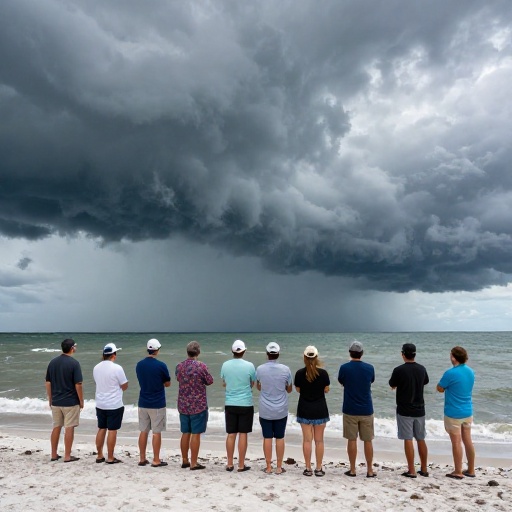
The National Weather Service has noted that these large-scale climate phenomena are developing simultaneously. While many associate El Niño with warmer temperatures globally, its impact on Florida is often characterized by increased precipitation and cooler air masses during the winter months. This pattern does not necessarily mean a severe freeze, but it does signal more frequent storms than usual.
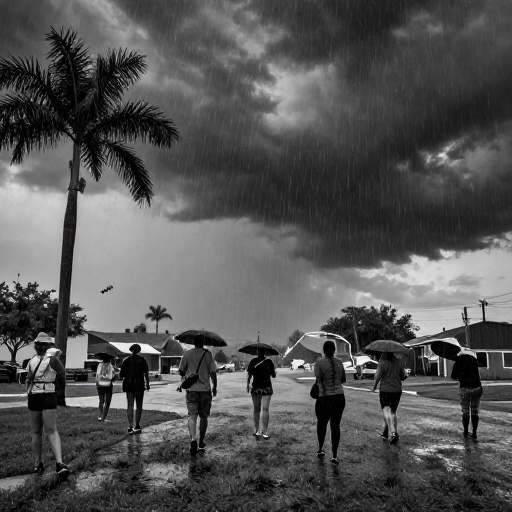
Local meteorologists emphasize that this combination creates a volatile atmospheric setup for Orlando and surrounding communities in Kissimmee and Sanford. The Indian Ocean Dipole acts as an additional driver, intensifying the moisture available from Pacific weather systems. Together, they create a feedback loop that can lead to prolonged periods of rain.
For residents accustomed to mild winters, this shift requires preparation for wet conditions rather than just cold ones. The potential for heavier rainfall increases the risk of localized flooding in low-lying areas near Lake Eola and along the St. Johns River tributaries in nearby cities.
Impact on Daily Life and Infrastructure
The increased likelihood of storms will affect daily commutes across the I-4 corridor. Drivers should expect more hazardous conditions, particularly during rush hours when rain can reduce visibility significantly. Local authorities often find themselves managing traffic incidents related to wet roads, making early morning departures advisable for those traveling to Orlando International Airport or UCF, as we reported in Orlando Residents Face Stronger El Nino Effects as Climate Patterns Shift.
Homeowners in residential developments may also need to address drainage issues before the peak of the rainy season begins. The combination of El Niño and Indian Ocean Dipole effects often results in saturated soil, which can compromise foundations if not properly managed through regular gutter cleaning and yard maintenance.
The convergence of these two climate drivers suggests a winter that will test our infrastructure's ability to handle water rather than just cold. We are advising residents to focus on flood preparedness alongside traditional storm safety measures.
Schools in Orange County Public Schools may need to remain flexible with their schedules if severe weather events disrupt transportation networks. While snow is rare, the cooler air blasts mentioned by experts can still lead to icy patches on bridges and overpasses, a common hazard for commuters traveling between Winter Park and downtown Orlando.
Community Preparedness and Economic Context
The theme park industry in Central Florida remains resilient but must adapt its operations to handle wet weather. Disney World and Universal Studios are known for their robust contingency plans, yet the increased frequency of storms can still impact outdoor attractions and parade schedules. Local businesses dependent on foot traffic may see fluctuations based on weekend weather forecasts, as we reported in Severe Thunderstorm Warnings Issued for Orlando and I.
Real estate developers in growing areas like Lake Nona and Dr. Phillips must also consider these climate patterns in long-term planning. Infrastructure projects that involve excavation or foundation work need to account for the potential of a wetter winter, which can delay construction timelines if heavy rains persist, more details at Fox News.
Community events scheduled for outdoor spaces should monitor weather updates closely. The Orlando Museum of Art and various parks along the RiverWalk may adjust hours or cancel activities in favor of indoor alternatives during peak storm periods. This adaptability is crucial for maintaining community engagement despite unpredictable weather.
Families are encouraged to review their emergency kits, ensuring they have supplies for potential power outages caused by wind-driven rain. The cooler air blasts do not typically result in freezing temperatures severe enough to cause widespread infrastructure damage, but the associated storms can be powerful and disruptive.