As the Atlantic hurricane season officially enters its most volatile phase, residents across Orlando and the broader I-4 corridor are being urged to review their emergency plans. While Tropical Storm Edouard has moved on to bring heavy rainfall to Texas, meteorologists warn that the peak of storm activity is just beginning for Florida.
The National Hurricane Center’s latest outlook indicates a high probability of significant tropical development in the coming weeks. For Central Floridians, this means maintaining vigilance over weather patterns and ensuring that homes are secured against potential threats from strong winds and heavy precipitation.
A Quiet Start Does Not Mean Safe Skies
Tropical Depression Edouard formed earlier in the season but quickly weakened as it moved inland, leaving Texas with flooding concerns while sparing Florida significant damage. This subdued start has led some to mistakenly believe that hurricane activity will be below average this year.
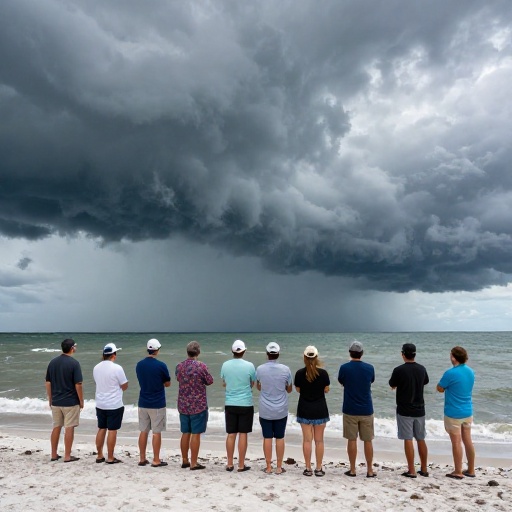
However, experts emphasize that early-season storms do not dictate the intensity of the peak months from August through October. The Atlantic basin remains warm enough to support rapid intensification of tropical systems. Orlando residents should not let a calm beginning lower their guard against potential severe weather events later in the summer.
The National Weather Service has noted that while Edouard was relatively weak, the underlying conditions for hurricane formation are favorable. Sea surface temperatures in the Caribbean and Gulf of Mexico remain above average, providing fuel for any developing systems that move northward toward Florida’s coast.
Local Preparedness Measures
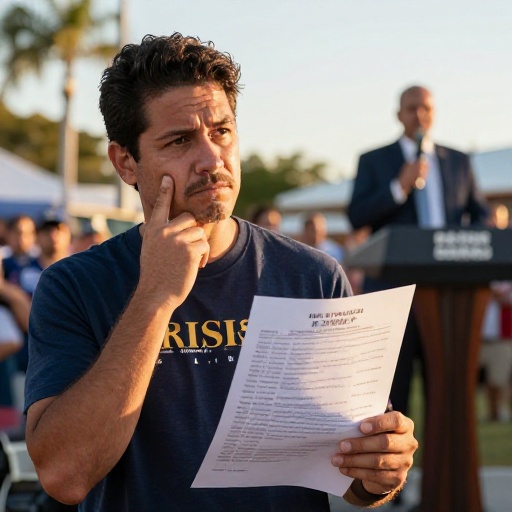
In response to the forecast, local emergency management agencies across Orange County have reiterated their readiness protocols. The City of Orlando Emergency Operations Center is monitoring global weather patterns closely and stands ready to activate resources if a storm threatens direct landfall in Central Florida.
Residents are encouraged to check their insurance policies for flood coverage, as standard homeowners’ insurance often excludes water damage from rising waters. With the potential for heavy rainfall associated with tropical systems, understanding local drainage capacities is crucial for neighborhoods prone to flooding.
The peak of hurricane season brings unpredictable weather patterns that can impact daily life across Orlando and surrounding communities. Preparedness is not just about survival; it is about ensuring community resilience during challenging times.
Local officials advise creating a family communication plan and assembling an emergency kit with at least three days’ worth of supplies, including water, non-perishable food, medications, and flashlights. These basic steps can make a significant difference if power outages occur due to high winds or lightning strikes.
Impact on Tourism and Real Estate
The uncertainty surrounding the hurricane forecast also affects Orlando’s vital tourism industry. Theme parks in Lake Nona and near International Drive frequently adjust their operational plans based on weather forecasts. While major storms are rare during peak tourist seasons, even distant systems can disrupt travel plans for visitors arriving at Orlando International Airport, a story we covered in Orlando Residents Prepare for Stormy Winter as El Nino Pattern Brings Cooler Air.
Real estate developers along the I-4 corridor continue to monitor building codes related to wind resistance and flood zones. New construction projects in Kissimmee and Sanford must adhere to strict regulations designed to withstand high winds common during hurricane season. This regulatory environment ensures that new housing developments remain safe for future occupants.
For homeowners, securing outdoor furniture and trimming trees near power lines are recommended maintenance tasks before the peak storm months arrive. These proactive measures help prevent property damage and reduce the burden on local utility crews during recovery efforts after severe weather events.
Looking Ahead to August and September
Meteorologists predict that tropical activity will likely increase in late July and early August, coinciding with the start of peak hurricane season. Residents are advised to stay informed through local news outlets and official National Hurricane Center updates rather than relying on social media rumors.
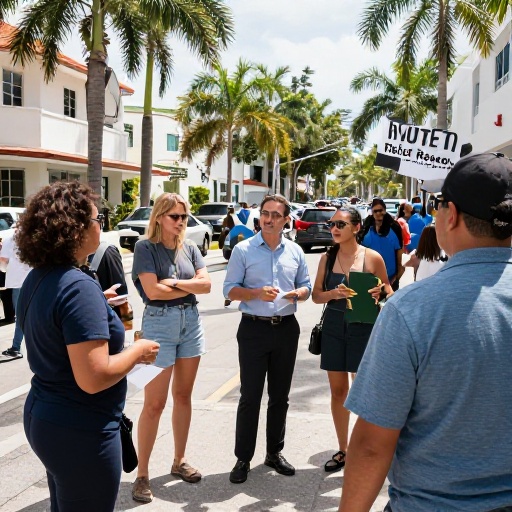
Community centers across Winter Park and Sanford may serve as information hubs during active weather periods, providing resources for those who need assistance preparing their homes. Local libraries also offer access to updated emergency guides and maps of evacuation routes in Orange County.
As the region transitions into a period of higher atmospheric instability, maintaining awareness of local conditions remains essential. The quiet start following Tropical Storm Edouard should not be mistaken for safety; rather, it serves as a reminder that Florida’s hurricane season is dynamic and requires constant attention from all residents.