Florida Revises Amendment 3 Property Tax Ballot Language
State submits corrected text after judge ruled original wording defective, sparking debate over local funding and public safety.
Florida has submitted revised ballot language for Amendment 3 after a Leon County judge ruled the original wording was "clearly and conclusively defective." The controversial proposal seeks to increase the non-school homestead tax exemption, potentially reaching $250,000 by 2028. Opponents, including police and firefighter unions, warn that the measure could result in multi-billion dollar losses for local tax revenue essential for public services.
Legal Challenges Prompt Revision
The state had a strict deadline to provide new property tax amendment language following judicial criticism of the initial draft. Formerly titled "Save Our Homes From Excessive Property Taxes," the measure was challenged by attorneys representing a nonprofit group and three former Florida politicians. They argued that the original title and summary used misleading, biased wording more akin to a public relations advertisement than a legal description.
"Under Florida law, we don’t have the ability to rewrite the full amendment, just the ballot summary and title consistent with the court’s ruling," Attorney General James Uthmeier said in a statement. "The amendment could certainly have been rolled out with greater transparency... No one wants to defund our incredible sheriffs."
New Language Details Exemptions and Caps
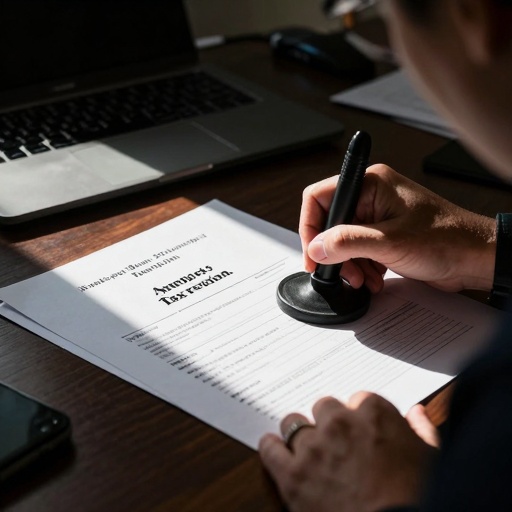
Attorney General James Uthmeier released the updated text, renaming the measure "Increased Homestead Exemption; Lower Cap on Increases in Non-Homesteaded Property Assessments." The revised language specifies that the homestead exemption for all non-school taxes will increase to $150,000 in 2027 and $250,000 in 2028. It also reduces the annual cap on assessment increases for non-homestead properties from 10% to 5%. Additionally, it requires counties and municipalities to use property taxes solely for core needs such as public safety, education, infrastructure, and natural resources.
Impact on Local Services
The amendment faces significant opposition from local governments and state unions representing the Fraternal Order of Police, firefighters, and fire chiefs. State economists estimate that the proposal could result in a $5 billion loss in tax revenue for local public services next year, rising to nearly $12 billion by 2031. Property taxes currently fund essential services such as police and fire departments, road maintenance, parks, libraries, and emergency management, a story we covered in Florida Property Tax Amendment Faces Legal Challenge Over Ballot Language.
Critics argue that eliminating a significant share of the property tax base would not reduce the cost of providing local government services but rather shift the financial burden elsewhere. The Tax Foundation noted that lost revenue might need to be generated through higher millage rates on taxable properties, such as rentals or commercial spaces, potentially passing costs to renters and customers.
Next Steps for Voters
The amendment must now gain approval from 60% or more of the votes cast. Leon County Circuit Judge David Frank set deadlines for both sides to submit proposed court orders regarding the wording. The revised language aims to address legal concerns while maintaining the core intent of increasing homestead exemptions, though it still does not fully detail how local governments will offset potential revenue shortfalls.