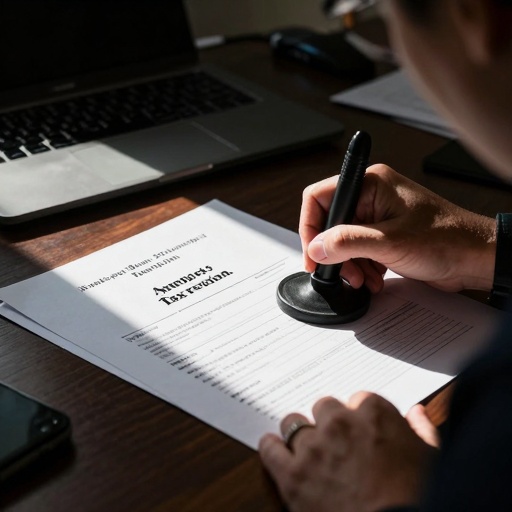
Lawyers representing groups challenging Florida’s proposed Amendment 3 argued in Leon County Circuit Court that the state’s property tax-cutting ballot proposal is designed to mislead voters through biased and political language. On July 29, attorneys told Judge David Frank that the measure's title, "Save Our Homes from Excessive Property Taxes," strays too far from neutral legal standards. The coalition argues that the phrasing resembles a sales pitch rather than an objective summary of how the amendment would alter state law, potentially violating Florida’s requirement for fair and impartial ballot language.
Arguments Over Political Rhetoric
Jamie Cole, a Fort Lauderdale attorney representing "Save Our Voters," argued that ballot summaries must be neutral. He stated to the court that the current text is shaded for approval and relies on political rhetoric rather than factual description. The opposition coalition is asking the court to direct Attorney General James Uthmeier to make specific changes to the title and summary before it goes to voters in November. Opposing counsel, Ben Gibson representing the Attorney General’s office, dismissed these claims. He argued that when read together as required by case law, the measure's meaning remains clear to voters. Gibson contended that opponents were selectively citing isolated words rather than addressing the amendment's chief purpose.
Impact on Local Government Finances
Beyond the language dispute, significant concerns exist regarding the financial impact of Amendment 3 if it passes with a 60% voter threshold. State economists project that cities and counties would lose $5 billion in tax revenue next year alone, with losses reaching nearly $12 billion by 2031. This potential reduction has galvanized opposition from local governments, including the state’s Fraternal Order of Police and firefighters’ unions. These groups warn that dwindling property tax dollars could lead to reductions in key local services or increased fees for park entrances and routine maintenance, as we reported in Florida Property Tax Amendment Faces Legal Challenge Over Ballot Wording.
Legislative Origins and Political Distancing
The amendment was crafted during a June special session called by Governor Ron DeSantis, who has since distanced himself from the measure. While lawmakers added phrases like "protecting small businesses" to the summary, critics argue these details obscure massive shifts in government structure. Former State Sen. Jeff Brandes and ex-U.S. Rep. Al Lawson are among those suing over the amendment, arguing it gives the state unconstitutional authority over local spending. The Secretary of State faces a late-August deadline to certify ballot language, meaning Judge Frank’s ruling on compliance will be critical for the November election.