Xi Jinping Challenges US Asia Policy at Summit with Trump
Chinese leader uses historical context to influence American stance on Taiwan and Japan during high-level diplomatic talks.
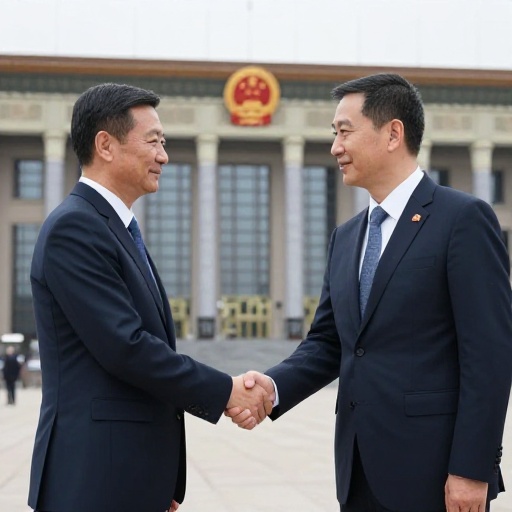
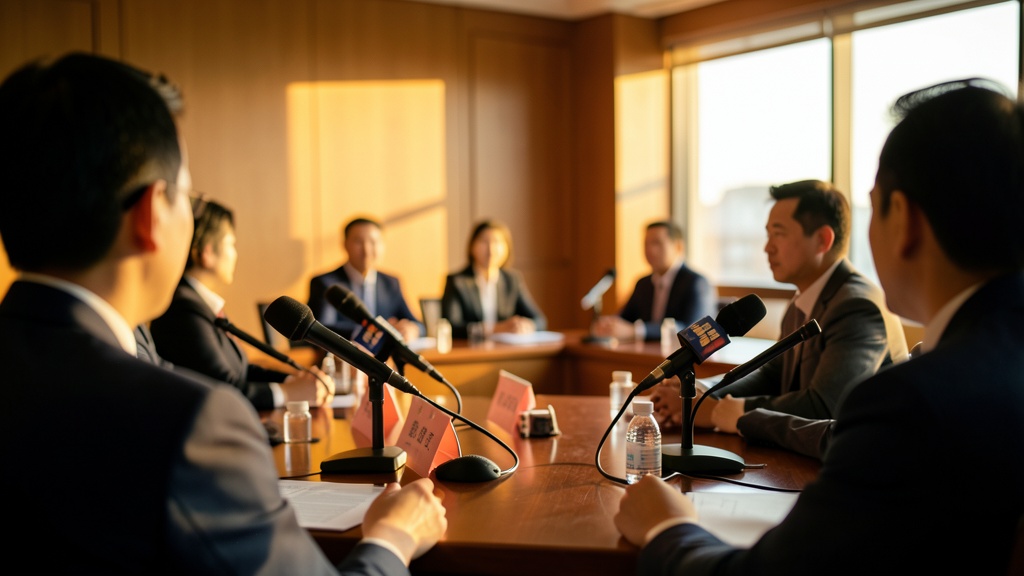
During recent high-level talks, Chinese President Xi Jinping sought to influence the stance of U.S. President Donald Trump regarding America’s role in Asia. The diplomatic engagement focused heavily on challenging American support for key regional allies, specifically Taiwan and Japan. According to reports from the summit, the Chinese leader utilized a combination of praise, strategic warnings, and references to wartime history to frame these discussions.
Strategic Use of Historical Context
The approach taken by President Xi Jinping appeared designed to reframe how Washington views its commitments in the Pacific. By invoking historical narratives related to war, the Chinese leader aimed to underscore potential risks associated with current U.S. military and diplomatic postures. This method suggests an effort to leverage historical memory as a tool for modern geopolitical negotiation.
Central to these discussions was the issue of Taiwan. The United States has long maintained significant support for the island, which Beijing considers part of its territory under the One-China Principle. Similarly, Japan remains a crucial security partner in the region. Xi’s strategy appears aimed at testing or altering Trump’s willingness to maintain robust backing for these two entities.
Implications for Regional Stability
The interaction highlights the complex nature of U.S.-China relations under the current administration. While specific outcomes of the talks were not detailed in initial reports, the use of "warnings" indicates a serious tone regarding potential conflicts or diplomatic friction. The focus on Taiwan and Japan suggests that Beijing is actively seeking to reduce American military presence or political influence in these areas, more context in Xi Jinping Pitches China as Stable Alternative to U.S. Amidst Rare Diplomatic Fl.
For observers of international affairs, this summit represents a significant moment where historical rhetoric was deployed against contemporary strategic interests. As the United States navigates its role as a global power, such direct challenges from major competitors like China will likely shape future policy decisions regarding defense spending and alliance structures in Asia.