US Reports Massive Fleet Losses in Iran Conflict: 12 F-15s and Billions Spent
Analysis of recent military losses reported by US Central Command, including aircraft and drones during the ongoing conflict with Iran.
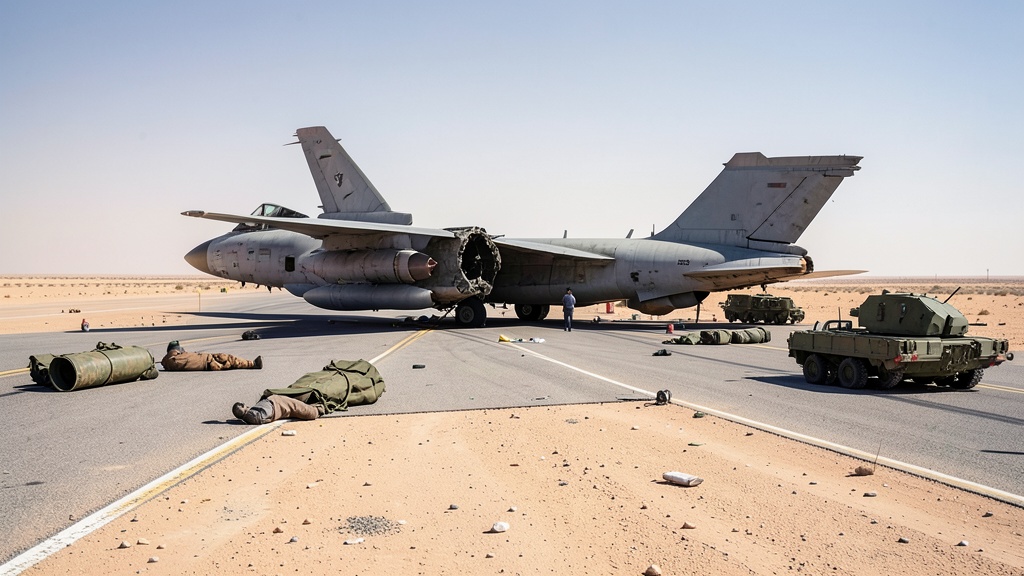
Recent reports from Zee News highlight a significant escalation in the United States' involvement in the Middle East, detailing substantial material losses sustained during conflicts involving Iran. According to data provided by US Central Command (CENTCOM), the American military has suffered heavy equipment casualties, including 12 F-15 fighter jets and an F-35 stealth aircraft.
The scope of these losses extends beyond fixed-wing fighters. The inventory report indicates that four MQ-9 Reaper drones have been lost to hostile action or operational failures during the engagement period. Additionally, KC-135 refueling tankers and various helicopters were included in the tally of compromised assets. These figures represent a tangible cost to US military readiness and procurement budgets.
Financial implications are equally stark. CENTCOM has calculated that the overall financial burden of this specific phase of conflict with Iran stands at $43.6 billion. This figure encompasses operational expenditures, equipment replacement costs, and logistical support required for sustained aerial operations in the region. The data underscores the high economic toll of modern air warfare.
Strategic Implications of Air Superiority Losses
The loss of 12 F-15E Strike Eagles is particularly notable given their role as primary multi-role fighters for US forces in Central Command. These aircraft are critical for ground attack missions and air superiority operations. Their replacement requires not only significant capital investment but also extensive supply chain coordination, which can take months to complete.
The inclusion of an F-35A Lightning II in the loss report adds a layer of complexity to US defense strategy. As one of the most advanced stealth platforms in the American arsenal, the F-35 represents a major technological investment. Losing such assets suggests intense engagement with sophisticated adversary defenses, likely involving advanced surface-to-air missile systems operated by Iranian forces or their proxies.
MQ-9 Reapers have long served as workhorses for surveillance and precision strike missions in Central Command theaters. The loss of four drones indicates sustained pressure on US unmanned aerial vehicle (UAV) operations. These losses often result from electronic warfare countermeasures, ground fire, or mechanical failures under combat stress.
Regional Impact and Local Relevance
While the conflict unfolds in the Middle East, its repercussions are felt globally through energy markets and military posture shifts. For Central Florida residents, particularly those near major defense contractors like Lockheed Martin (which produces F-35s) or General Atomics (producer of MQ-9 Reapers), these reports may influence local economic expectations.
Orlando’s proximity to the Kennedy Space Center and Eglin Air Force Base means that federal military spending directly impacts regional infrastructure projects. Increased defense contracts often translate into job creation in manufacturing, engineering, and logistics sectors across Orange County and surrounding areas, as we reported in Iran War Costs U.S. $38 Billion.
The $43.6 billion cost figure cited by CENTCOM reflects a broader trend of rising military expenditures under current geopolitical tensions. As the US continues to project power through air campaigns, local economies tied to defense procurement may see fluctuations in funding availability for other public services or infrastructure improvements.
Looking Ahead: Replacement and Readiness
The replacement timeline for these aircraft will likely dominate military planning discussions in Washington. F-15s require specialized maintenance facilities, while F-35s need secure software updates and parts that are subject to export controls. The delay in restoring full fleet strength could affect US response capabilities in other theaters.
Analysts suggest that the high attrition rate of drones highlights the evolving nature of modern warfare. Adversaries like Iran have invested heavily in asymmetric warfare tactics, using cheaper systems to degrade more expensive American platforms. This dynamic forces a reevaluation of cost-effectiveness in future military procurement strategies.
"The loss of 12 F-15s and an F-35 represents a significant blow to US air power projection capabilities," noted defense analysts reviewing CENTCOM data. "These figures underscore the high stakes involved in current engagements with Iranian forces."
The financial burden extends beyond hardware. Personnel costs, including hazard pay for deployed troops and medical care for injured service members, contribute significantly to the $43.6 billion total. This comprehensive accounting method provides a clearer picture of war’s true cost than traditional budget estimates.
As tensions remain high in the Persian Gulf region, local communities should monitor potential impacts on fuel prices and national security policies. The decisions made by federal officials regarding military engagement will likely influence domestic spending priorities for years to come.