Iran War Costs U.S. $38 Billion: Impact on Midterm Elections
The ongoing conflict between the United States and Iran has resulted in a significant financial burden, with costs reaching approximately $38 billion. This substantial expenditure is drawing attention not only for its immediate economic impact but also for its potential political ramifications. As high energy costs continue to drive up prices at the pump across the nation, concerns are mounting regarding how these factors will influence the upcoming midterm elections.
Economic Strain on American Households
One of the most visible effects of this geopolitical conflict is the rise in fuel prices. For everyday Americans, high energy costs at the pump translate directly into increased expenses for commuting, shipping goods, and heating homes. This financial strain adds pressure to household budgets already stretched by inflationary trends. The correlation between international military engagements and domestic economic indicators has long been a subject of political debate, with voters often holding leadership accountable for rising living costs.
Strategic Setbacks and Political Fallout
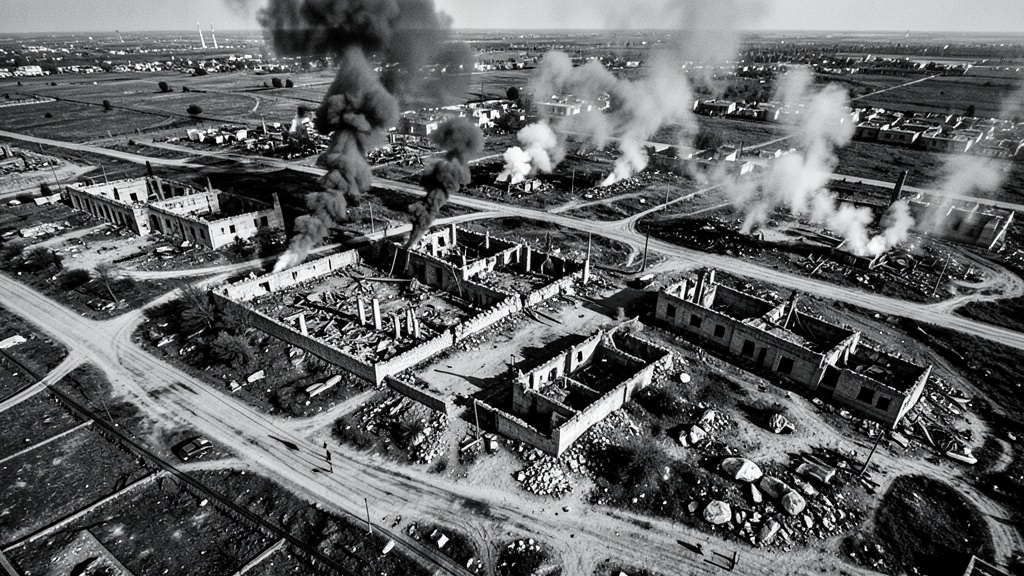
Beyond the financial ledger, reports indicate strategic setbacks in the region involving U.S. forces. These developments contribute to a narrative that may resonate strongly with voters during election cycles. President Trump faces scrutiny as these events unfold, with critics arguing that military engagements should be weighed against their domestic economic consequences. The intersection of foreign policy failures and local economic hardship creates a volatile political environment, as we reported in Iran War Costs U.S. $38 Billion.
Implications for the Midterms
The midterm elections serve as a critical referendum on presidential performance. With $38 billion in war costs already incurred, the administration faces questions regarding fiscal responsibility and strategic effectiveness. If energy prices remain high and military objectives appear unmet, these factors could sway voter sentiment against the ruling party. Political analysts suggest that such economic headwinds are often decisive in midterm outcomes, potentially reshaping the balance of power in Congress.