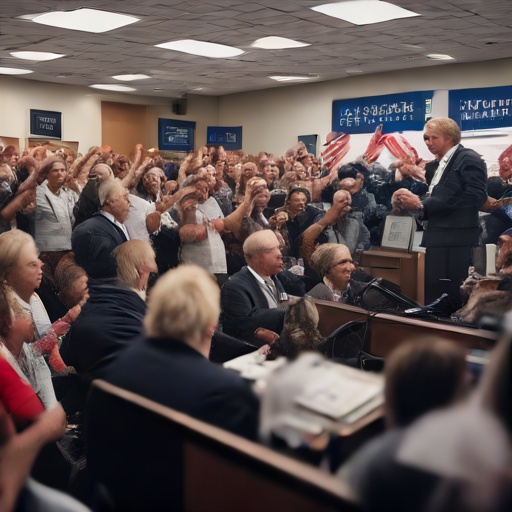
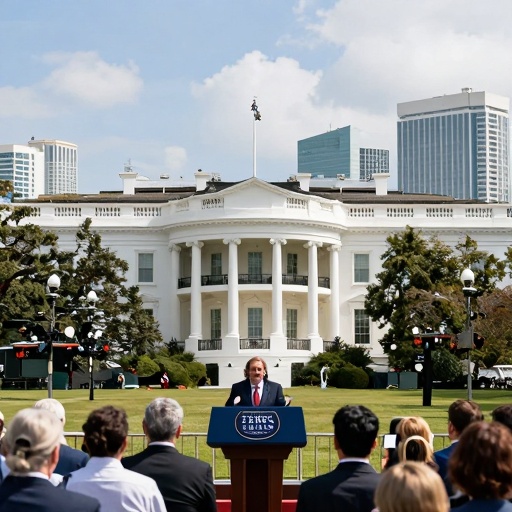
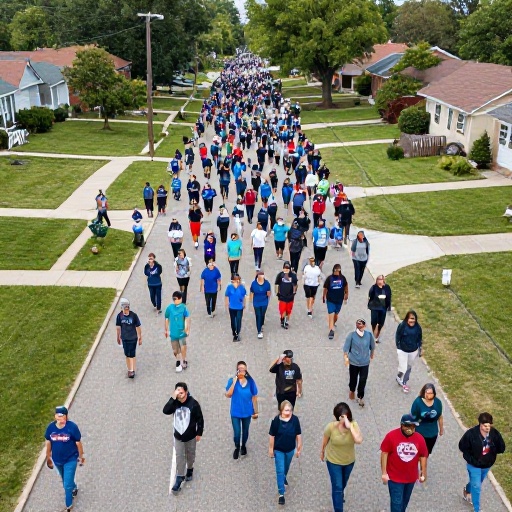
 Imagen generada con IA para Politics
Trump’s Unpopularity Threatens GOP Midterm Hopes in Florida as Campaign Sprints
Republican candidates face headwinds from the president's low approval ratings as Labor Day marks the start of the final push for midterm elections.
As the unofficial kickoff to the general election sprint arrives with Labor Day, Republican campaigns across Central Florida are navigating a treacherous political landscape defined by President Donald Trump’s deep unpopularity. According to recent analysis from Reuters, this widespread dissatisfaction is imperiling the party's chances of maintaining its legislative majorities in key swing states.
The Political Headwinds
While Republicans have historically benefited from strong local economies and cultural conservatism, the current cycle presents a unique challenge. The president’s approval ratings remain low among independent voters and even some conservative constituents who are wary of his controversial rhetoric and legal battles.
This dynamic is particularly acute in Florida, where the electorate has shown increasing volatility. Polls indicate that while Trump remains popular with the base, his presence on the ballot may actually depress turnout or drive moderate voters toward Democratic candidates. For Republican incumbents seeking re-election to Congress or state legislature, the calculus involves balancing loyalty to the party leader against their own personal appeal.
The situation is not uniform across all districts. In rural areas of Central Florida and parts of the I-4 corridor, Trump’s influence remains a potent mobilizing force. However, in suburban counties like Orange and Seminole, where education levels are higher and diversity is more pronounced, his unpopularity serves as a significant drag on Republican prospects, more context in Trump Approval Plummets in Swing States Ahead of Midterms.
Impact on Local Races
In Orlando and surrounding communities, local issues such as housing affordability, traffic congestion on State Road 417, and the management of tourism revenue are taking center stage. Yet, national figures like Trump loom large over these discussions. Democratic operatives have launched ads highlighting the president’s stance on immigration and economic policy, hoping to frame Republican candidates as extensions of a polarizing federal agenda.
Conversely, Republicans argue that they can separate their local records from Washington politics. They point to infrastructure improvements in Kissimmee and regulatory reforms benefiting theme parks like Disney and Universal as evidence of effective governance at the state level. The strategy relies on convincing voters that while Trump may be unpopular locally, his policies have delivered tangible benefits for Florida businesses, more context in Trump Approval Plummets in Swing States Ahead of Midterms.
However, data suggests this separation is difficult to maintain. Recent by-elections in similar demographic profiles across the Sun Belt show a trend where Republican candidates struggle when running directly alongside or under the banner of the current administration’s most controversial figures, as noted by BBC.
The Path Forward
As the final sprint begins, both parties are intensifying their ground games. Republicans must work to energize their base without alienating moderates who may be swayed by Trump-related controversies. Democrats face the challenge of turning out voters who feel disillusioned with national politics but might still vote for local representatives.
The outcome in Florida could hinge on these narrow margins. With early voting already underway, every swing voter counts. The coming weeks will test whether Republican candidates can build a coalition that transcends party lines or if the shadow of presidential unpopularity proves too heavy to bear.