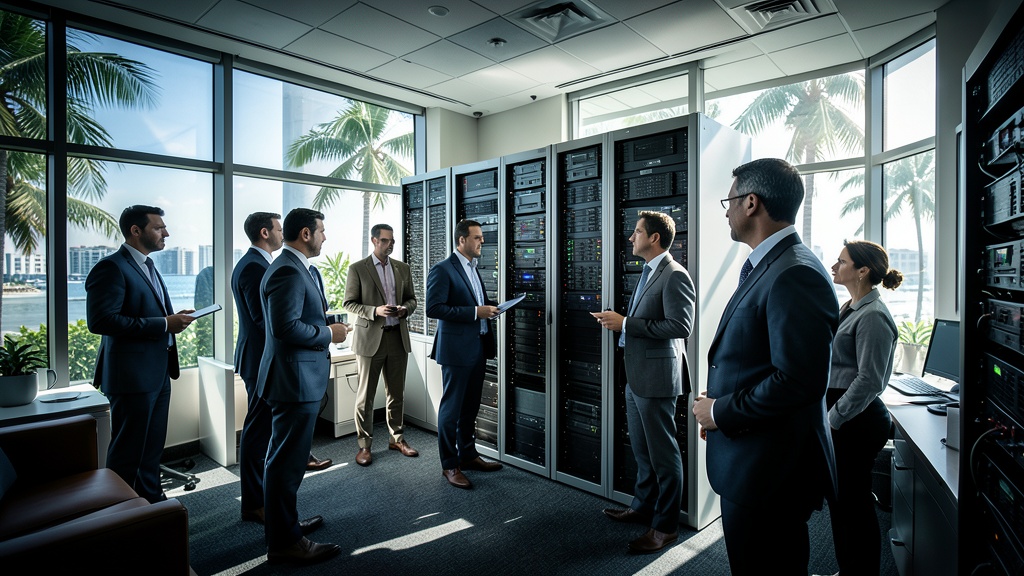
Trump's Data Center Push Creates Dilemma for Florida GOP Lawmakers
Orlando-area Republicans face pressure over AI infrastructure as constituents worry about soaring energy costs and grid stability.
President Donald Trump’s aggressive push to accelerate the construction of artificial intelligence data centers across the United States has landed squarely in the political crosshairs for several Florida lawmakers. While the White House views these massive computing hubs as essential for national economic competitiveness, a growing number of Republican representatives are finding themselves in an awkward position: supporting their party leader while managing constituents who fear skyrocketing electricity bills.
This tension is particularly acute along the I-4 corridor and in Central Florida’s rapidly expanding suburbs. As tech giants like Microsoft, Amazon, and Google announce new facilities near Orlando and Kissimmee, local legislators are fielding calls from residents concerned about strain on the power grid. The conflict highlights a broader ideological split within the GOP between pro-business development advocates and those wary of government-subsidized industrial expansion.
The Energy Cost Concern
At the heart of the dispute is electricity pricing. Data centers are notoriously energy-intensive, requiring vast amounts of power to cool servers and run complex algorithms. In Florida, where residential utility rates have already seen significant increases over the past two years, any additional demand raises alarms among homeowners.
Several GOP lawmakers in swing districts have publicly expressed hesitation about fast-tracking permits for these facilities without guaranteed protections for local ratepayers. They argue that while AI development is important, it should not come at the expense of middle-class families already struggling with inflation and higher cost-of-living expenses.
"We need to ensure that our energy infrastructure can handle this load before we approve more mega-projects," said one Orlando-area representative who requested anonymity due to ongoing negotiations. "Our constituents are not against progress; they are against being left paying the bill for it."
This sentiment echoes concerns raised by utility regulators and community groups in Orange County and Seminole County. Local power providers like Duke Energy have warned that meeting the demand of new data centers may require significant infrastructure upgrades, costs which could be passed down to consumers.
Political Tightrope
The political bind is real for Republicans facing re-election in 2026. Many represent districts where housing development and job creation are popular planks on their platforms. However, the sheer scale of modern data centers—often spanning hundreds of acres with massive power substations attached—is changing local perceptions.
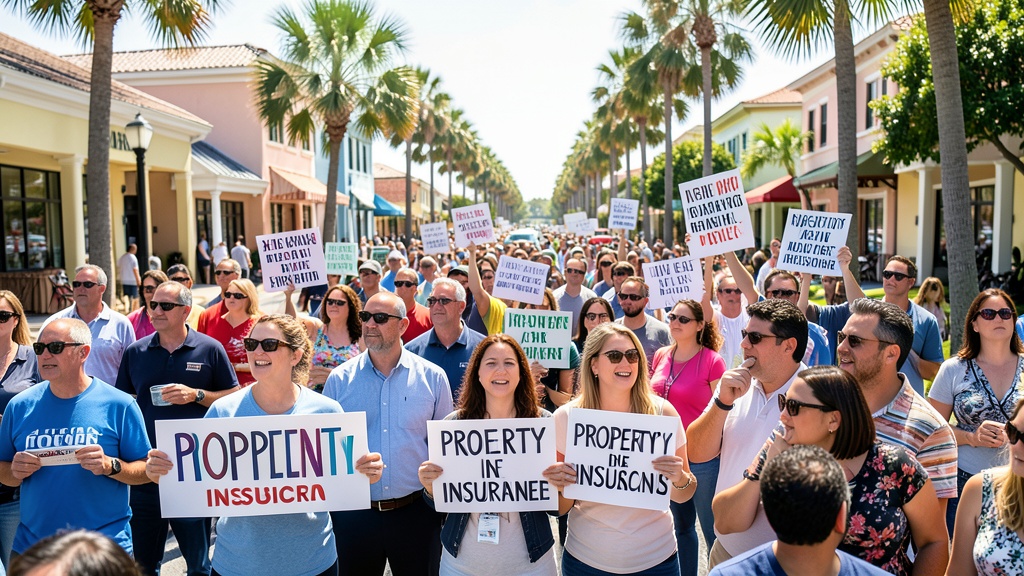
In Winter Park and parts of Sanford, residents have begun organizing town halls to discuss zoning changes that would allow for larger industrial zones near residential areas. Lawmakers who previously championed tech investment now find themselves balancing corporate promises of jobs against the tangible reality of increased traffic and potential rate hikes.
Trump’s administration has responded by emphasizing federal incentives, including tax breaks and streamlined permitting processes designed to attract private investment. Yet these measures do little to address immediate local concerns about grid reliability during Florida’s frequent summer storms or peak usage hours, a story we covered in Trump Warns Orlando Communities Blocking Data Centers Risk Becoming 'Backwards'.
Economic Impact vs. Community Stability
Proponents of the data center expansion argue that these facilities bring high-paying jobs, increased tax revenue for schools and roads, and position Central Florida as a global tech hub. Orlando’s proximity to UCF and other educational institutions makes it an attractive location for talent recruitment.
However, critics point out that many roles within data centers are highly specialized and may not directly benefit local workers without significant retraining programs. Furthermore, the construction phase often relies on outside labor rather than local contractors, limiting immediate community impact.
The debate reflects a larger national conversation about how to balance technological innovation with environmental sustainability and equitable cost distribution. In Florida, where property values are rising rapidly in cities like Daytona Beach and Kissimmee, land use decisions carry heavy weight for voters.
Looking Ahead
As the legislative session progresses, expect more nuanced proposals from Orlando-area representatives. Rather than outright opposition to data centers, many GOP lawmakers are pushing for "smart growth" frameworks that tie approvals to renewable energy commitments and rate freeze provisions.
This approach could redefine how tech companies operate in Central Florida, requiring them to partner with local utilities on green energy solutions rather than simply drawing from the existing grid. If successful, such policies might ease political tensions while still attracting investment.
For now, the message from Washington remains clear: speed is essential for AI dominance. But in Florida’s diverse electorate, patience and affordability remain non-negotiable priorities for many voters heading into future elections.