 Imagen generada con IA para Politics
Trump Warns Orlando Communities Blocking Data Centers Risk Becoming 'Backwards'
President issues stark warning to Central Florida cities resisting tech infrastructure, citing economic risks in the age of artificial intelligence.
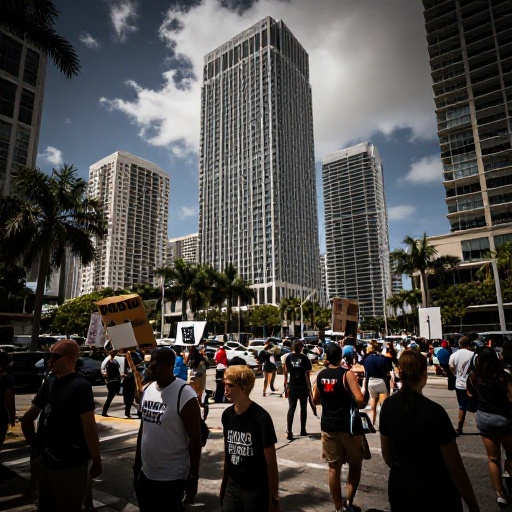
Orlando and surrounding communities across Central Florida are facing a new kind of pressure from Washington. President Donald Trump has issued a direct warning to local governments that reject or delay critical technology infrastructure, specifically data centers.
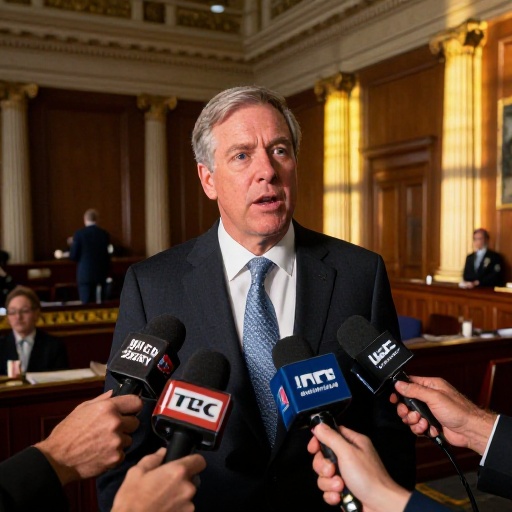
In recent remarks highlighted by national media outlets, the president characterized municipalities blocking these projects as risking their future economic viability. He stated that communities resisting the artificial intelligence boom risk becoming "backwards and poor." This language marks a significant escalation in the federal stance on local zoning disputes involving tech giants.
The Clash Over Infrastructure
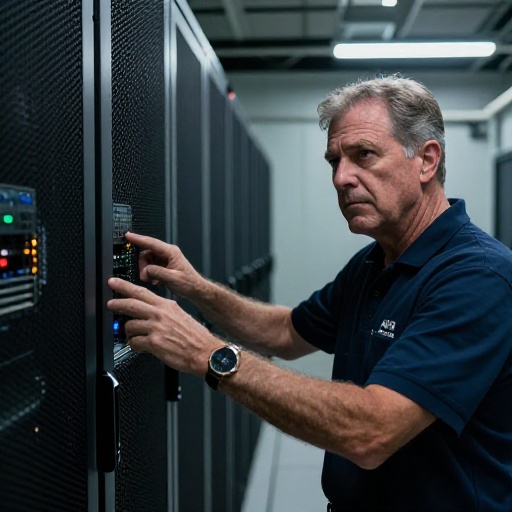
Orlando sits at the center of this national debate due to its rapid growth as a technology hub. The city’s proximity to Disney World, Universal Studios, and major universities has made it an attractive location for large-scale data centers required to power AI models.
However, local resistance is growing. Residents in various neighborhoods have raised concerns about the strain these facilities place on water supplies and electrical grids. City councils in Orange County are increasingly tasked with balancing development goals against community preservation efforts.
The president’s comments suggest that federal support for tech expansion may come with implicit threats to regional autonomy. By labeling opposing communities as "backwards," Trump is framing the issue not just as an economic one, but as a moral imperative for progress.
"We cannot allow local obstructionism to halt the technological advancements that will define our national security and economic strength in the coming decades."
This rhetoric aligns with broader federal efforts to streamline permitting processes for critical infrastructure. The administration argues that state-level or municipal delays are hindering America’s ability to compete globally, particularly against China.
Impact on Central Florida Development
The I-4 corridor is already seeing a surge in real estate development driven by the tech industry. Companies like Microsoft and Amazon have previously announced plans for significant facilities in the region. These projects promise thousands of jobs but also require massive amounts of energy, as this newspaper reported in Trump Targets Orlando Democrats as 'Jihadists' in New Midterm Attack Strategy.
Local officials are now re-evaluating their positions under this new political climate. In Orlando, where zoning laws are strictly enforced to protect residential character, city planners face a dilemma: comply with federal expectations or defend local control.
Kissimmee and Sanford have also experienced growth in industrial zones. The warning from Washington could embolden developers who argue that data centers bring essential revenue to the county’s tax base. Conversely, it may galvanize community groups fighting for sustainable development practices.
The debate is not merely about aesthetics or traffic. It involves water rights and grid stability. Florida’s power grid has faced scrutiny during peak summer months, adding urgency to discussions about new energy demands from data centers, Washington Post reported.
Economic Stakes for Local Residents
For residents of Winter Park and Daytona Beach, the implications are tangible. Proponents argue that data centers create high-paying jobs in engineering and maintenance. They claim these facilities will stabilize local economies against fluctuations in tourism revenue.
Critics counter that the benefits often bypass working-class neighborhoods while imposing costs on public utilities. The term "poor" used by Trump suggests a binary outcome: embrace tech or face economic decline.
This framing ignores complex middle-ground solutions, such as renewable energy integration for data centers or stricter zoning caps. Local governments in Orange County are currently navigating these nuances without clear federal guidance on how to mitigate environmental impacts.
As the election cycle continues, this rhetoric may influence voter behavior in Central Florida. Candidates running for county commission and state legislature will need to address whether they support aggressive tech expansion or prioritize local sovereignty.