Trump Prioritizes Military Over Social Programs in 2027 Budget
President signals shift in spending focus ahead of White House budget release, raising questions for local families.
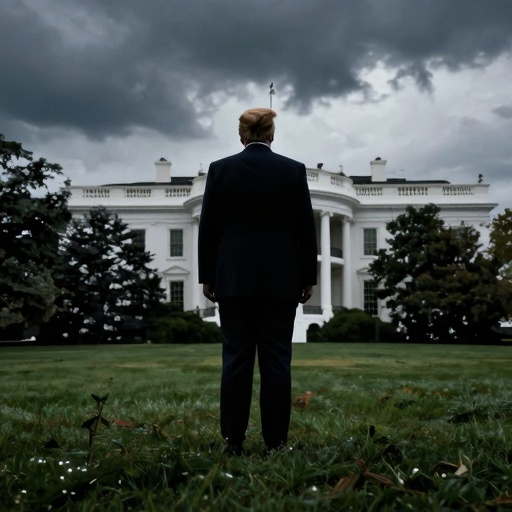
As the White House prepares to unveil its 2027 federal budget proposal, President Donald Trump has made it clear that national defense will take precedence over domestic social programs. In a statement released ahead of the official numbers, the President emphasized that military protection is the top priority, explicitly noting that funding for child care and other social safety nets will not receive the same level of financial commitment. This declaration marks a significant shift in the administration's spending philosophy as the nation looks toward the fiscal year.
A Shift in Federal Spending Priorities
The upcoming budget release is expected to reflect a stark contrast between defense allocations and domestic support initiatives. By publicly stating that military needs outweigh social programs, the administration is signaling a strategic pivot that prioritizes security over community welfare services. While the specific dollar amounts for the 2027 fiscal year have not yet been detailed, the President's comments set the tone for what is likely to be a contentious debate in Congress and among state leaders across the country.
For communities in Central Florida and beyond, this federal stance could have ripple effects on local services that often rely on federal grants. Programs supporting early childhood education, family assistance, and social welfare may face tighter constraints if the federal government reduces its share of the funding burden. Local officials in Orange County and surrounding areas will need to evaluate how these potential cuts might impact their own municipal budgets and the families they serve.
Implications for Central Florida Families
The decision to prioritize military spending over child care comes at a time when the cost of living and childcare remains a pressing concern for many households in the I-4 corridor. With Orlando and Kissimmee seeing continued population growth, the demand for affordable social services is higher than ever. If the 2027 budget follows the President's stated priorities, local governments may be forced to bridge the gap with state funds or seek alternative private solutions to keep essential programs running, more context in Trump Hints at Uncertain 2028 Election Plans Amid Legislative Stalemate.
"Military protection, not social programs, took precedence," the President stated regarding the upcoming budget framework.
As the White House finalizes the document, community leaders and advocates are preparing to respond to the proposed allocations. The coming months will be critical in determining how these federal priorities translate into real-world impacts for families, small businesses, and public services throughout the region.