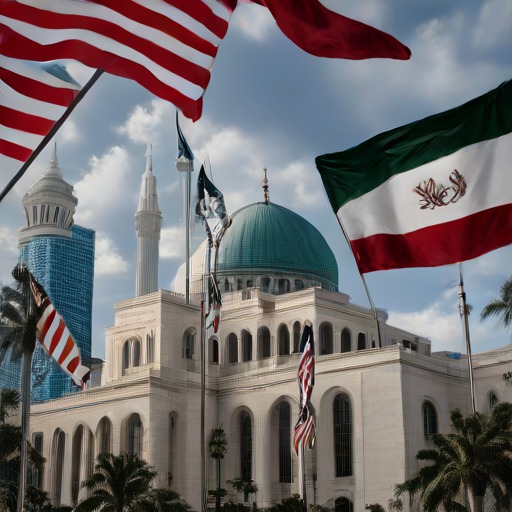
President Donald Trump said Friday that the United States is getting "very close" to meeting its objectives in its military campaign against Iran, remarks that could signal the beginning of a drawdown in operations that have captured global attention and raised concerns among military families across Central Florida and beyond.
The comments, delivered from Washington, come as the administration weighs the timeline for scaling back military efforts that have involved significant deployments of American troops and resources to the Middle East region.
What Trump Said About the Campaign's Progress
Speaking to reporters, Trump indicated that the military objectives the U.S. set out to achieve are nearing completion. While he did not provide a detailed timeline for any potential withdrawal or reduction in forces, the president's tone suggested confidence that the mission's core goals are within reach.
The remarks represent one of the most forward-looking statements from the administration about the trajectory of the conflict, which has drawn both support and criticism from lawmakers on both sides of the aisle. Trump has framed the military action as necessary to counter what he has described as threats posed by Iran to American interests and regional stability.
Details about specific benchmarks or conditions for declaring the objectives met remain sparse. The administration has not publicly outlined a comprehensive exit strategy, though officials have hinted that diplomatic channels remain open alongside military operations.
Central Florida's Military Connection
For communities across the Orlando metro area and the I-4 corridor, developments in overseas military operations carry deeply personal significance. Central Florida is home to numerous military installations and a large population of active-duty service members, veterans, and military families.
Bases and facilities in the region, including Naval Air Warfare Center Training Systems Division in Orlando and Patrick Space Force Base on the Space Coast, play critical roles in supporting U.S. military readiness. Any escalation or drawdown of operations overseas directly affects the lives of thousands of Central Florida residents who serve or have loved ones deployed.
Local veterans' organizations in Orange, Seminole, and Osceola counties have been closely monitoring the situation. Leaders of several groups have expressed cautious optimism about the president's latest comments while emphasizing the importance of ensuring service members return safely and receive adequate support upon their return.
"Every time a president talks about getting closer to the end of a military campaign, families here hold their breath and hope it's true," said one Orlando-area veterans' advocate who asked not to be named. "We want our people home safe, but we also want to make sure the mission is truly accomplished."
Political Reactions and What Comes Next
Trump's comments are likely to fuel debate in Congress, where opinions on the Iran campaign have been sharply divided. Some Republican allies have praised the administration's approach as decisive and effective, while critics — including some Democrats and a handful of Republicans — have questioned the legal authority under which the operations were launched and whether Congress was adequately consulted.
Florida's congressional delegation has been split on the matter. Some representatives from the Orlando area and across the state have called for greater transparency about the campaign's costs, both financial and human. Others have voiced strong support for the president's handling of the situation, arguing that a firm military posture was necessary to protect American interests, as we reported in Trump Faces Uncertain Iran Conflict as U.S. War Enters New Phase.
The financial costs of the campaign are also under scrutiny. While exact figures have not been publicly disclosed by the Pentagon, military analysts have estimated that operations of this scale can cost billions of dollars per month. Those expenditures come as Congress debates federal spending priorities that affect everything from infrastructure projects in Central Florida to funding for programs at the University of Central Florida and other state institutions.
Implications for the Region and the Economy
Beyond the direct military considerations, the conflict with Iran has had ripple effects on the economy that Central Floridians have felt at the gas pump and in the broader marketplace. Oil prices have fluctuated in response to tensions in the Middle East, and any resolution or de-escalation could bring some relief to consumers and businesses alike.
The theme park industry, which drives much of Orlando's economy, is also sensitive to geopolitical stability. International tourism — a critical revenue source for Walt Disney World, Universal Orlando Resort, and SeaWorld — can be affected by global conflicts that deter overseas travelers from booking trips to the United States.
Local economists have noted that a winding down of military operations could provide a modest boost to consumer confidence and spending in the Orlando area, though much depends on how the situation ultimately resolves and whether broader economic conditions remain stable.
Looking Ahead
As the administration considers its next steps, Central Florida residents — from military families in Sanford and Kissimmee to business owners in Winter Park and downtown Orlando — will be watching closely. The president's assertion that objectives are nearly met offers a glimmer of hope, but questions remain about the specifics of any drawdown and the long-term diplomatic framework that would follow.
Reuters contributed to this report. This is a developing story and will be updated as more information becomes available.