Trump Leaves Door Open to Voting Emergency Declaration
Former President Donald Trump has indicated that he would not rule out the possibility of declaring a national emergency to implement changes regarding voting procedures. During a recent interview, when asked if such an extreme measure was on his mind as a method for taking executive action on voting issues, Trump responded with a brief but significant remark: "Stranger things have happened." This statement has sparked immediate discussion among political observers and legal experts about the potential scope of presidential power in regulating elections.
Implications for Executive Power
The comment comes at a time when election laws are under intense scrutiny across the United States. While Trump did not provide specific details on what actions he might take if a national emergency were declared, his willingness to entertain the idea suggests that significant changes to voting protocols could be part of any future administration's agenda. A national emergency declaration typically grants the president broad authority to redirect resources and enforce regulations that might otherwise require congressional approval.
Reactions from Legal Experts
Legal scholars have long debated the limits of executive power, particularly when it comes to domestic issues like voting rights. Historically, declarations of national emergency are reserved for threats such as natural disasters or foreign attacks. Applying this framework to election administration is unprecedented and would likely face immediate legal challenges in federal courts, as we reported in Trump Leaves Door Open for National Emergency on Voting Rights in Orlando.
"Stranger things have happened," Trump said during the interview regarding potential executive actions on voting protocols.
Impact on Florida Voters
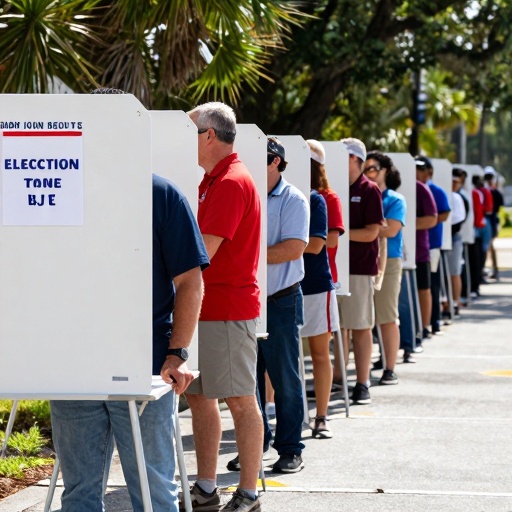
In Florida, where voter access laws are a frequent subject of legislative debate, any move by a former president to alter national voting standards would be closely watched. The state has seen various iterations of election law reforms in recent years, from signature requirements for ballot initiatives to changes in early voting periods. If Trump were to pursue such an emergency declaration, it could set a precedent that influences how states manage their electoral processes.
Next Steps
As the political landscape continues to evolve, voters and policymakers alike are waiting to see if these comments translate into concrete policy proposals or remain rhetorical. For now, the suggestion serves as a reminder of the ongoing tension between executive authority and legislative oversight in American democracy.