 Imagen generada con IA para Politics
Trump Beef Tariff Plan Unlikely To Lower Grocery Prices
Economists say lifting tariffs on imported beef trimmings won't significantly reduce ground beef costs for Orlando shoppers before the election.
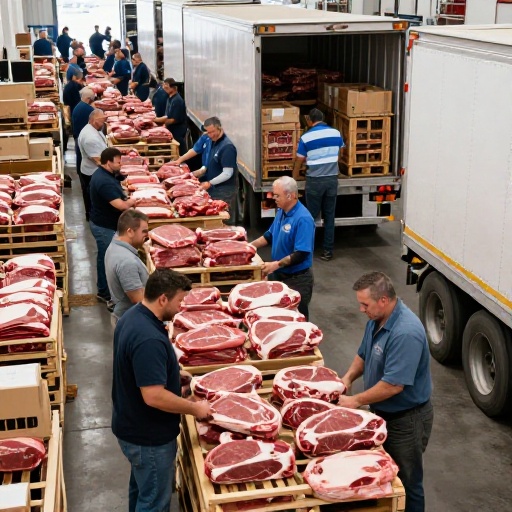
President Donald Trump recently signed a proclamation lifting tariffs on a portion of imported lean beef trimmings, an effort aimed at reducing sky-high ground beef prices ahead of the midterm elections this fall. The administration’s order seeks to bring in an additional 300,000 metric tons of trimmings duty-free over three months starting September 1. This move is designed to help "meet current domestic demand at reasonable prices," although officials have not specified which countries will supply the meat.
Economic Impact on Local Shoppers
While Trump has claimed this increase in tariff-free quotas would substantially lower ground beef costs, agricultural economists suggest shoppers may not see a noticeable difference. Vincent Smith, an economist at Montana State University, noted that 300,000 metric tons represents only about 3% of Americans' overall annual beef consumption and less than 7% of the country’s annual ground beef supply. "The answer would be some, but not necessarily very much," Smith said regarding potential price drops, according to CBS News.
Furthermore, many importers are already bringing in lean trimmings above current quotas despite paying a 26.4% tariff because it remains profitable. The new proclamation likely allows these same imports to enter at a lower cost rather than adding significant new supply to the market. Derrell Peel, an agricultural economist at Oklahoma State University, stated that companies price according to the market and there is no guarantee savings will be passed on, a story we covered in Trump's Beef Import Plan Sparks Republican Pushback in Orlando.
Domestic Supply Challenges
The primary driver of high beef prices remains a domestic cattle herd that has fallen to its smallest size in more than seven decades due to years of drought. David Anderson, a livestock economist at Texas A&M University, pointed out that the U.S. is already importing record amounts of beef while exporting less. He described the timing of Trump's tariff move as "unfortunate," noting that fall is typically when older cows are culled and prices naturally drop, as this newspaper reported in Trump's Beef Import Plan Sparks Republican Pushback in Orlando.
Anderson warned that lower import prices could discourage U.S. ranchers from expanding their herds, which is necessary for long-term price moderation. Additionally, most foreign lean beef trimmings end up with institutional buyers like restaurants rather than retail grocery stores in Orlando and Central Florida. Consequently, any potential savings are more likely to affect fast-food cheeseburger costs than the tray of ground beef purchased at local supermarkets.