The global oil market shuddered this week as Saudi Arabia, the world's largest crude exporter, temporarily shut down its critical East-West Pipeline. The decision came after a series of drone strikes originating from Iraqi territory targeted key infrastructure within the Kingdom. This unexpected disruption has sent ripples through international markets, raising urgent questions about energy security and the fragile state of regional stability.
A Precautionary Shutdown
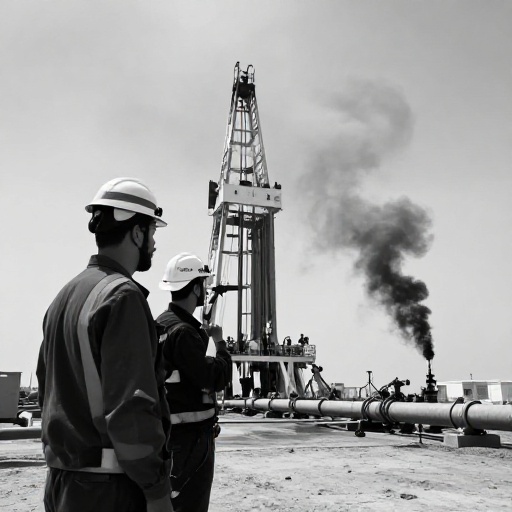
Saudi officials described the closure as a "precautionary measure" in response to the drone attacks. The East-West Pipeline is one of the Kingdom's most vital arteries for transporting crude oil from production fields in the east to export terminals on the Red Sea coast. Its temporary halt represents a significant logistical challenge, even if only brief.
The exact extent of damage remains under investigation. However, the mere act of targeting such infrastructure signals an escalation in tactics by regional actors. Iraq has stated that it is currently investigating the source and motive behind the drones launched from its soil. This admission adds a layer of diplomatic complexity to an already tense situation.
Regional Instability Deepens
This incident does not occur in isolation. It follows earlier attacks attributed to the Houthi rebels in Yemen, who have been increasingly targeting shipping lanes and infrastructure across the Red Sea region. The coordination or at least the parallel timing of these events suggests a broader strategy aimed at disrupting global supply chains.
Analysts warn that repeated strikes on energy infrastructure could lead to long-term volatility in oil prices. While Saudi Arabia has vast reserves, its ability to maintain steady exports is crucial for stabilizing markets globally. Any perceived weakness or vulnerability invites further probing by adversarial groups.
The Broader Geopolitical Picture
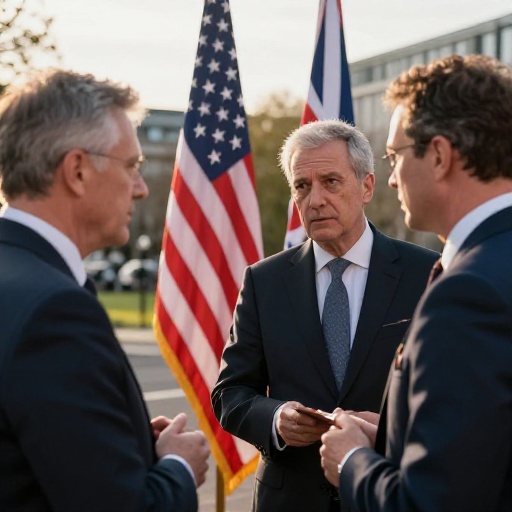
As the dust settles on this immediate crisis, observers are looking toward Washington and other capitals for responses. The United States has long maintained a military presence in the region to deter such attacks, but the effectiveness of these measures is now under scrutiny, more context in Houthi Attacks Hit Saudi Arabia; UK Sanctions Israeli Settlers.
The involvement of Iraq as a launch point raises questions about its government's control over its borders and airspace. If non-state actors can freely operate from Iraqi territory without significant interference, it underscores the limitations of state power in the region. This reality complicates efforts by international bodies to enforce ceasefires or negotiate peace deals.
Meanwhile, Anthropic’s boss has issued a separate but equally concerning warning regarding artificial intelligence safety. While distinct from the oil crisis, this development highlights a growing trend where technological risks are becoming as pressing as traditional geopolitical threats. The intersection of tech policy and international security is increasingly relevant for global leaders.
Impact on Global Markets
The immediate reaction in financial markets was one of caution. Oil prices fluctuated wildly as traders assessed the potential duration of the pipeline shutdown. Although Saudi Arabia has not confirmed any long-term damage, the uncertainty alone is enough to drive up premiums.
Importing nations are now re-evaluating their energy strategies. The reliance on Middle Eastern oil remains high for many countries, making them vulnerable to such disruptions. This event serves as a stark reminder of the interconnectedness of global economies and how quickly local conflicts can become international crises.