Orlando, FL — The political landscape in Central Florida is often dominated by local elections, theme park developments, and UCF sports. However, national geopolitical shifts frequently ripple through our community, influencing everything from tourism to international business relations. A recent development involving former President Donald Trump has drawn significant attention not just in Washington, but across the globe.
Diplomatic Friction Emerges
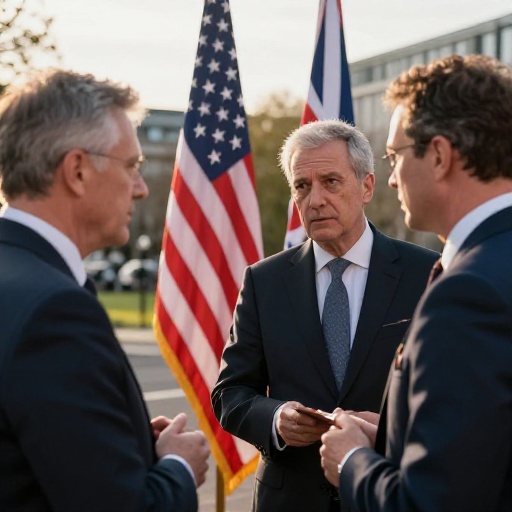
Donald Trump’s visit to Ireland recently became a focal point for diplomatic discourse after he made comments regarding Northern Ireland during a press conference in Dublin. The 80-year-old former president used his platform to address long-standing geopolitical issues, effectively stirring tensions that had remained relatively dormant since the implementation of the Good Friday Agreement.
According to reports from The Daily Beast, Trump’s remarks were perceived by many as endorsing a shift in policy or perspective regarding Northern Ireland. This intervention has been described as "fan[ing] the flames" of a decades-long conflict that had found an uneasy truce through peace deals established nearly three decades ago.
While Orlando residents are more accustomed to discussing local government decisions at City Hall, this international incident highlights how global political rhetoric can influence domestic conversations. The reaction from top allies has been swift and critical, with many expressing frustration over what they view as destabilizing comments during a period meant for reconciliation.
Historical Context of the Conflict
To understand the severity of this diplomatic friction, one must look back at the history of Northern Ireland. The region experienced decades of violent conflict known as "The Troubles," which involved complex political and sectarian disputes between unionists (mostly Protestant) who wanted to remain part of the United Kingdom, and nationalists (mostly Catholic) who sought reunification with Ireland.
The Good Friday Agreement, signed in 1998, was a landmark peace deal that helped bring an end to much of this violence. It established power-sharing institutions and emphasized cross-border cooperation between Northern Ireland and the Republic of Ireland. For many observers, including those in Orlando’s diverse communities with strong Irish heritage ties, this agreement represents a fragile but essential balance, as we reported in Trump Criticizes Democratic Policies During Interview With Trey Gowdy.
Trump’s recent comments have been interpreted by some critics as undermining the spirit of this agreement. By appearing to endorse positions that challenge the status quo established in 1998, he has reignited debates about identity, sovereignty, and community relations in Northern Ireland.
Implications for International Relations
The backlash from top allies suggests a significant rift within traditional diplomatic circles. Allies who have long supported the peace process expressed rage at what they perceive as an unnecessary provocation. This reaction underscores the sensitivity surrounding Irish unification and the delicate nature of cross-border relations.
For Orlando’s international community, particularly those with connections to Ireland or Northern Ireland, these developments are not merely abstract political news. They reflect broader trends in how former leaders engage with global issues post-presidency. Trump’s continued influence on foreign policy debates remains a subject of intense scrutiny both here and abroad.
The incident also serves as a reminder of the interconnectedness of local and global politics. While Orlando focuses on its own challenges, such as housing affordability near UCF or tourism recovery in Disney World, international stability affects economic confidence and cultural exchanges that sustain our community’s diversity.