 Imagen generada con IA para Politics
Orlando Metro Area Sees New Growth as Florida's Rural 'Unbuilt Triangle' Welcomes Major Retailers
The developing region between Orlando and Tampa attracts major chains like Publix, Home Depot, and Aldi.
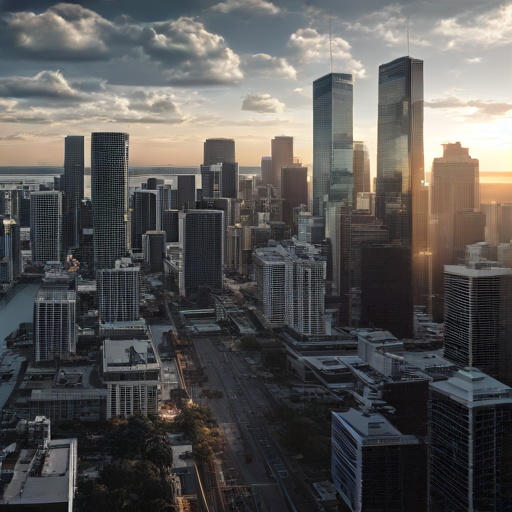
Central Florida’s real estate landscape is shifting once again. A vast stretch of land known as the "Unbuilt Triangle"—a rural corridor connecting Orlando to Southwest Florida—is seeing a surge in commercial development. Major national retailers are moving into this previously undeveloped area, signaling a significant demographic and economic transition for Orange County and its neighbors.
The Rise of the Unbuilt Triangle
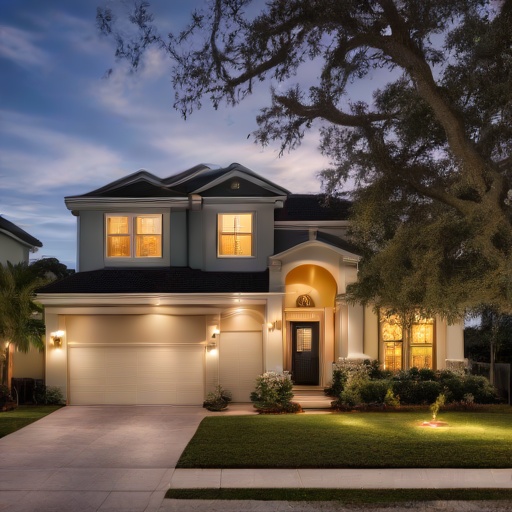
For decades, the land between Orlando and Tampa remained largely agricultural or wild habitat. However, recent reports indicate that an inland population of approximately 500,000 people is emerging in this region. This area, once home to Florida panthers and other wildlife, is now being reclassified as a key growth zone for residential and commercial expansion.
The term "Unbuilt Triangle" refers to the geographic space between major metropolitan hubs that has historically resisted development due to wetlands and zoning restrictions. Today, it stands on the brink of transformation. The influx of new residents is driving demand for essential services, prompting large corporations to establish a foothold in these rural counties.
Major Retailers Enter the Market
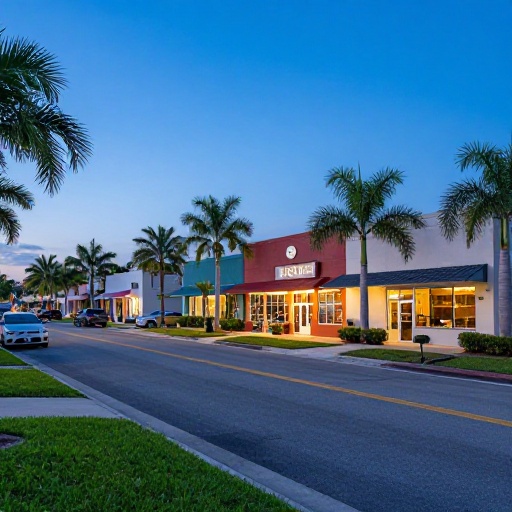
The most visible sign of this shift is the arrival of major grocery and home improvement chains. Publix, Florida’s beloved supermarket chain, has announced plans to open locations within this developing corridor. For local residents in communities like Kissimmee and Sanford, as well as those further west toward The Villages, these stores represent a critical upgrade in daily convenience.
Alongside Publix, Home Depot is expanding its footprint into the region. This move suggests that residential construction is accelerating rapidly. When home improvement giants follow grocery chains, it typically indicates that new housing developments are breaking ground at scale. Aldi has also been identified as part of this wave of commercial investment.
This clustering of retail services is not accidental. Developers and corporations often target areas with projected population growth to secure prime real estate before land prices skyrocket. The presence of these brands validates the economic potential of the Unbuilt Triangle for investors across Central Florida, a story we covered in Orlando Housing Market Sees Growth as July Sales Rise.
Impact on Local Communities
The development in this rural zone has direct implications for cities along the I-4 corridor and beyond. As new residents move into subdivisions in Orange, Osceola, and Polk counties, local infrastructure faces increased pressure. City governments are tasked with managing road expansions, school capacity, and utility upgrades to support the growing population.
For existing communities like Winter Park and Daytona Beach, this trend highlights a broader migration pattern within Florida. As housing costs rise in established urban centers, many families seek affordability in surrounding rural areas. The Unbuilt Triangle offers larger lots and lower property taxes, attracting retirees and young professionals alike, as we reported in Orlando Housing Market Sees Growth as July Sales Rise.
The arrival of Publix and Home Depot marks more than just new stores; it signals a permanent demographic shift that will reshape local politics and infrastructure for decades to come.
However, this growth is not without controversy. Environmental groups have raised concerns about the impact on wildlife habitats and water resources in Central Florida’s wetlands. The balance between economic development and environmental preservation remains a key issue for county commissioners and state legislators.
Economic Implications for Orlando
Orlando’s economy has long relied heavily on tourism, with Disney World and Universal Studios driving millions of visitors annually. Yet, the growth in the Unbuilt Triangle points to a diversifying local economy driven by residential demand. This shift reduces reliance solely on transient tourism income and builds a more stable tax base from permanent residents, confirmed by BBC.
Real estate developers are betting that this population will remain anchored in Central Florida for years to come. The construction of new housing, coupled with the retail infrastructure provided by companies like Aldi and Publix, creates a self-sustaining community model.
Local businesses may face increased competition from these national chains. Small merchants in rural areas must adapt to serve residents who now have easy access to major retailers. This dynamic is already visible in growing towns along the I-4 corridor where local shops compete with big-box stores.
Looking Ahead
As development continues, city governments will need to address zoning laws and traffic management. The influx of 500,000 new residents requires coordinated planning between Orlando, Kissimmee, Sanford, and surrounding counties. Infrastructure projects funded by local taxes may see increased allocation toward road improvements in these rural zones.
The Unbuilt Triangle is no longer unbuilt. It is becoming a critical component of Central Florida’s future growth strategy. For residents and investors alike, the arrival of major retailers serves as a clear indicator that this region is ready for prime time.