October Hurricane Threat Remains High for Central Florida Residents Despite Quiet Season
Experts warn that late-season storms can catch communities off guard, emphasizing preparedness remains critical through November.
As October settles over Orlando and the broader I-4 corridor, many residents are breathing a sigh of relief. The 2024 hurricane season has been notably quieter than recent years, with no major direct hits on Central Florida’s theme parks or residential neighborhoods. However, meteorologists and emergency management officials caution against complacency.
October remains one of the most dangerous months for tropical activity in Florida. Historical data shows that late-season storms often develop rapidly, leaving communities with little time to prepare their homes and businesses.
The Science Behind Late-Season Storms
Atlantic hurricane seasons officially run from June 1 through November 30. While the peak activity typically occurs in August and September, October brings unique atmospheric conditions that can fuel storm development.
Warmer ocean temperatures persist well into fall, providing energy for tropical systems. Additionally, wind shear—the change in wind speed or direction with height—often decreases during this period. This reduction allows storms to organize more easily without being torn apart by upper-level winds.
The National Hurricane Center notes that while the frequency of storms may drop after September, the potential for intense rapid intensification remains high. A storm can strengthen from a tropical depression to a major hurricane in less than 24 hours under favorable conditions.
Impact on Orlando and Central Florida
For residents in Orange County, Seminole County, and the surrounding areas, late-season storms pose specific challenges. Unlike early-season hurricanes that might be tracked for days, October systems often approach with less lead time.
This lack of warning affects major employers like Walt Disney World and Universal Orlando Resort. These facilities have robust contingency plans, but sudden weather shifts can still disrupt travel plans for visitors arriving from across the country, as we reported in Florida’s Hurricane Risk Remains High Despite Quiet Start to 2026 Season.
Local infrastructure is also vulnerable. Heavy rainfall associated with slow-moving tropical systems has historically caused significant flooding in low-lying areas of Kissimmee and along the St. Johns River near Sanford.
Lessons From Recent History
The 2016 hurricane season serves as a stark reminder of October's threat level. Hurricane Matthew, though it did not make direct landfall in Central Florida, brought widespread power outages and flooding to parts of the state.
More recently, Tropical Storm Alberto in June 2024 highlighted how early-season risks exist, but late-season unpredictability remains a concern for emergency planners. Officials emphasize that preparedness is not just about surviving one storm, but maintaining readiness through the end of November.
Risk to Real Estate and Development
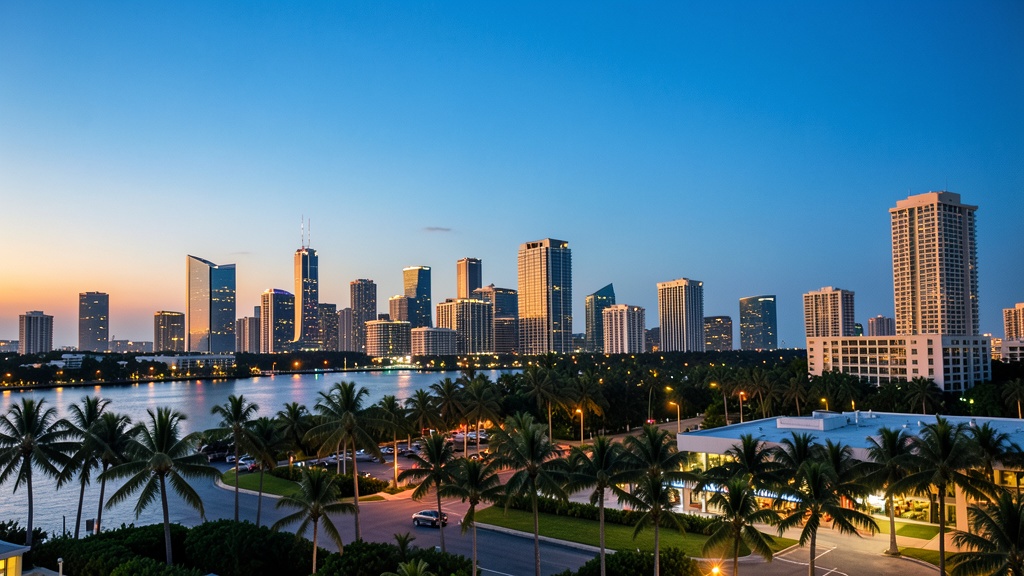
The real estate market in Central Florida continues to grow, with new developments rising along the I-4 corridor. Builders and homeowners alike must consider insurance implications tied to hurricane risk zones.
Even if a storm does not make landfall directly on Orlando, surrounding counties may experience damaging winds or torrential rain. This can lead to temporary closures of roads like State Road 528 and increased traffic congestion as residents navigate flooded areas.