India Detains Thousands of 'Cockroach' Protesters; Houthis Strike Riyadh Amid Regional Tensions
Indian police arrest over 2,000 demonstrators linked to the Cockroach Janta Party while Houthi forces launch attacks on Saudi Arabia's capital.
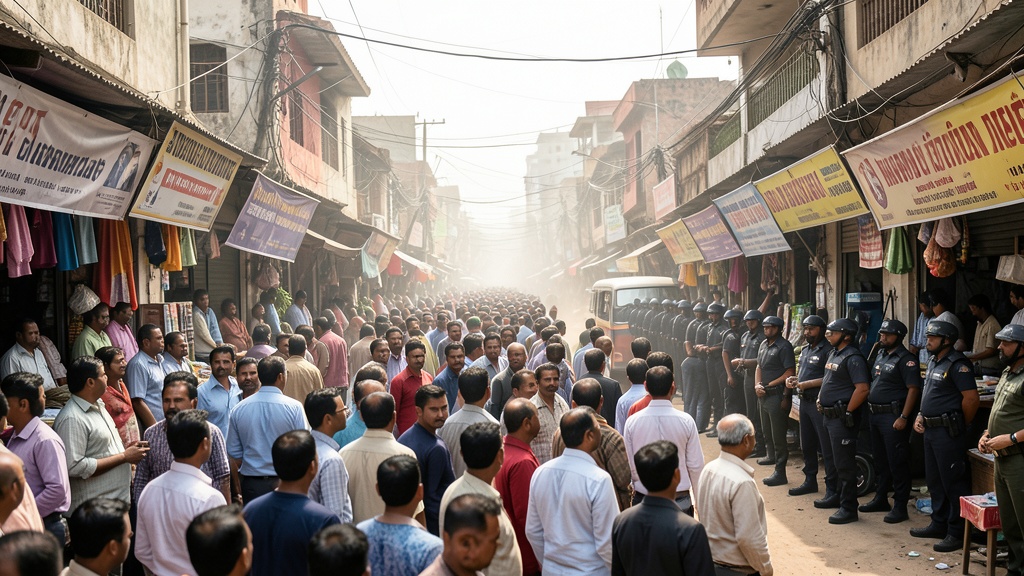
Authorities in India have detained more than 2,000 individuals during a significant crackdown on protests organized by the Cockroach Janta Party. The youth movement has been demanding electoral reform across the country. Officials in Delhi stated that the operation was necessary to maintain public order and prevent disruptions to government functions.
Crackdown on Youth Movement
The Indian police force executed a large-scale arrest operation targeting members of the Cockroach Janta Party. This group, which identifies as a youth movement, has been actively campaigning for changes to the nation's electoral system. The arrests occurred in multiple locations, with Delhi being a primary focal point for the enforcement actions.
Law enforcement officials described the gathering as an unauthorized assembly that posed risks to public safety. The scale of the detention operation suggests a coordinated effort by state authorities to suppress what they view as disruptive political activity. Reports indicate that many of those detained were young activists who had been mobilizing through social media and local community networks.
The term "Cockroach Janta Party" reflects the group's self-identification with resilience and persistence, traits often associated with the insect despite its negative connotations in general discourse. However, authorities have not shown leniency toward the symbolism or the messaging of the protest. The crackdown highlights the growing tension between emerging political youth groups and established state mechanisms.
Houthi Attacks on Riyadh
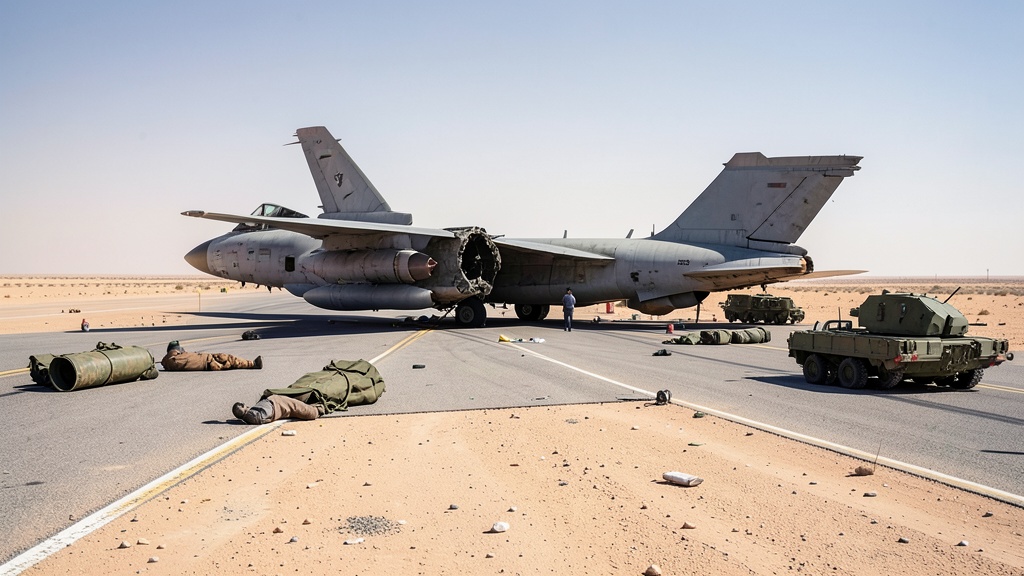
In a separate development affecting regional security, Houthi forces launched attacks targeting the Saudi Arabian capital of Riyadh. These strikes represent an escalation in the ongoing conflict within the Middle East. The attacks have raised concerns about stability and safety for residents and international personnel in the region.
Saudi authorities reported on the nature of the incoming threats, which included missile or drone components aimed at urban centers. Defense systems were activated to intercept potential projectiles, though specific details regarding damage or casualties remain limited in initial reports. The focus remains on the strategic intent behind these strikes and their impact on regional diplomacy.
The Houthi movement has historically utilized such attacks as leverage in broader geopolitical disputes involving Saudi Arabia and its allies. This latest incursion into airspace near Riyadh underscores the volatility of the current security landscape. International observers are monitoring the situation closely, particularly regarding potential retaliatory measures or diplomatic interventions.
Regional Implications
The simultaneous events in India and Yemen highlight distinct but significant challenges to governance and stability. In South Asia, the detention of thousands points to a restrictive approach toward political dissent. Meanwhile, in West Asia, military engagements continue to pose threats to civilian infrastructure, more context in Houthi Attacks Hit Saudi Arabia; UK Sanctions Israeli Settlers.
Analysts suggest that both situations reflect broader trends of state control versus non-state actor influence. The Indian government's response to the Cockroach Janta Party demonstrates a willingness to use extensive legal and police powers against organized protest groups. Conversely, the Houthi attacks on Riyadh illustrate the persistent capability of insurgent forces to project power deep into enemy territory.
Community reactions in both regions are expected to vary based on local political sentiments. In India, supporters of electoral reform may view the arrests as a suppression of democratic rights. In Saudi Arabia, residents and expatriates remain cautious amid heightened security alerts. The international community continues to watch these developments for signs of further escalation or de-escalation.
"The scale of detention in Delhi marks one of the most significant interventions against political protests this year."
Economic and social impacts are also being assessed. In India, the disruption caused by mass arrests may affect local businesses and transportation networks temporarily. The psychological impact on participants and their families is likely to be substantial given the scale of the operation.
Meanwhile, in Saudi Arabia, the security threat affects not only immediate safety but also investment confidence and regional trade routes. Airlines have adjusted flight paths where necessary, and local authorities have urged residents to remain vigilant. The long-term economic implications depend on whether these attacks become a recurring pattern or are contained through military or diplomatic means.
As news develops, journalists and analysts will continue to track the legal proceedings for those detained in India and the strategic responses from Saudi leadership regarding the Houthi offensive. These events serve as critical case studies in understanding contemporary global security and political dynamics.