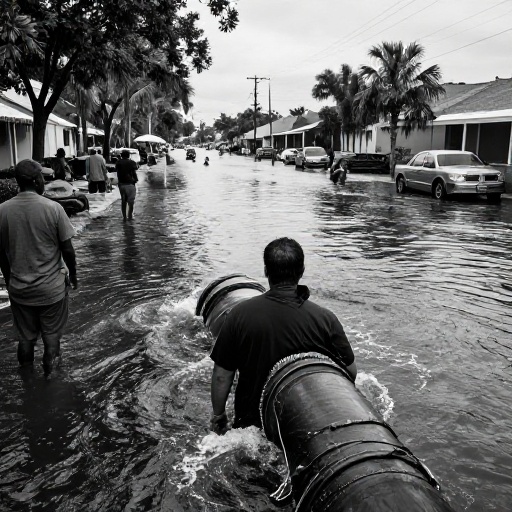
Residents across the I-4 corridor from Orlando to Daytona Beach are navigating a logistical nightmare this week as heavy deluges have transformed major thoroughfares into rivers. The intense, localized storms that swept through Central Florida over the past 48 hours have not only swamped roads but also overwhelmed local sewage systems in several communities.
While initial reports focused on South Florida's coastal flooding, the impact has been equally severe inland. Orlando Public Works and Osceola County emergency management teams are working around the clock to address hazardous conditions caused by rapid water accumulation. The sheer volume of rain has exceeded the capacity of aging drainage infrastructure in many neighborhoods.
Traffic Chaos on Major Arteries
Commute times have doubled or tripled for thousands of workers and students. Interstate 4, often described as one of the most congested highways in the nation, saw near-total standstills during morning rush hours due to flooding at key interchanges. Drivers reported vehicles stalling in deep water on Colonial Drive and Orange Blossom Trail.
Orlando Police Department dispatchers have issued repeated warnings for drivers to avoid non-essential travel. "If you see standing water, turn around," said a department spokesperson during an afternoon briefing. "It takes only 12 inches of moving water to float most cars." This warning is particularly critical in low-lying areas near Lake Eola and along the St. Johns River tributaries.
In Kissimmee, road closures have been frequent as local crews work to pump out submerged intersections. The flooding has disrupted access to several major tourist corridors, raising concerns among hospitality industry leaders about potential impacts on visitor experiences during peak season preparations.
Sewage System Failures and Health Risks
Beyond the transportation gridlock, a more insidious problem is emerging: sewage system overflows. The Orlando Utilities Commission (OUC) has confirmed that several treatment plants are operating at or near capacity due to the influx of stormwater into combined sewer systems.
Residents in parts of Winter Park and eastern Orange County have reported brown water coming from their drains, a clear sign of sewage backup. While OUC states there is no immediate threat to drinking water quality, they are urging residents not to flush toilets or run dishwashers if possible to reduce strain on the system, a story we covered in Severe Thunderstorm Warnings Issued for Orlando as Flood Advisories Linger Acros.
"The volume of rainwater entering our sanitary sewers has caused overflows in certain low-pressure zones," an OUC engineer explained. "We have deployed additional pumping units and crews are inspecting lift stations for blockages." The agency emphasized that these overflows are temporary but require public cooperation to resolve quickly.
Health officials advise residents who encounter sewage backups to wear protective gear when cleaning affected areas. Disinfection protocols should be followed strictly, as the water may contain harmful bacteria and pathogens. Schools in heavily affected zones have considered remote learning options if road conditions remain unsafe for student buses.
Long-Term Infrastructure Concerns
This event highlights ongoing vulnerabilities in Central Florida's infrastructure. Despite recent investments in drainage improvements, the region remains susceptible to intense rainfall events exacerbated by climate change trends. Local government officials are already calling for accelerated timelines on planned upgrades.
Kissimmee Mayor Jim Gray noted that his city is reviewing its emergency response protocols after dealing with multiple flood incidents this month. "We need more robust pumping capabilities and better communication channels with residents during these rapid-onset weather events," he stated in a press release.
Orange County Commission members are expected to discuss the incident at their next scheduled meeting, potentially allocating emergency funds for temporary repairs or long-term infrastructure assessments. The cost of repairing washed-out roads and damaged sewage lines could strain local budgets already under pressure from post-pandemic economic recovery efforts.
For now, residents are advised to monitor local news channels and the county's official social media accounts for real-time updates on road closures and safety advisories. As skies begin to clear, the focus shifts from rescue operations to cleanup and restoration of normal services across Orlando and surrounding communities.