Global news coverage for mid-September highlights significant developments in international trade, geopolitical tensions, and regional elections. Data released on Monday indicates that commodity vessel transits through the Strait of Hormuz fell to single digits per day over the weekend, well below a 10-day average of 14. Simultaneously, Poland and Ukraine have condemned recent Russian strikes near their shared border as an escalation, with no casualties reported in one incident involving a passenger train.
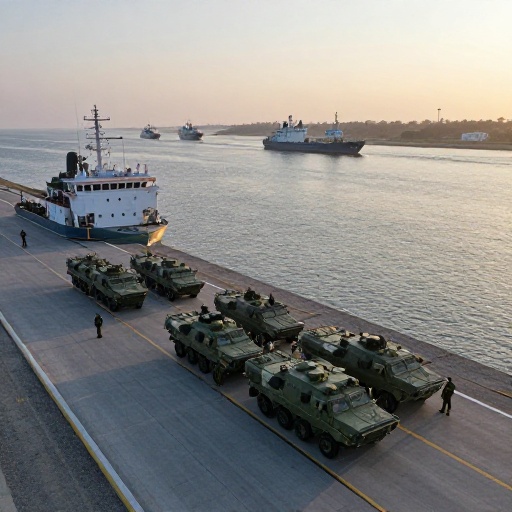
Shipping Disruptions at Strait of Hormuz
Preliminary shiptracking data shows that the number of vessels exiting the Gulf through the strategic waterway dropped significantly over the weekend. Only four vessels were recorded leaving during this period, including a Handysize vessel sailing in ballast and a Suezmax carrying crude or condensate. This decline marks a notable deviation from recent averages, raising questions about ongoing logistical challenges in one of the world's most critical energy chokepoints, more context in Global Tensions Rise as US Resumes Strikes on Iran and Himalayan Rescue Efforts .
Tensions Rise on Poland-Ukraine Border
Diplomatic friction has increased between Eastern European allies and Russia following reported strikes near the Polish border. Both Warsaw and Kyiv denounced Russian actions as an escalation after a train bound for Warsaw was struck just two kilometers from the frontier checkpoint. The incident occurred shortly after another train carrying EU officials and former British Prime Minister Boris Johnson passed through the area, though no casualties were reported in this specific event, more context in Global Headlines.
Other International Developments
In Southeast Asia, police stated it could take weeks to identify victims of a deadly ferry fire that claimed at least 76 lives. Meanwhile, voters in the Philippines' autonomous Muslim region began casting ballots for their first elected parliament following gun violence outside a polling station. In Europe, Sweden's left-leaning bloc holds a slim lead over liberal-conservatives in parliamentary elections with 93% of votes counted.