Florida Woman Arrested After Threatening Police via AI Chatbot
A Bonita Springs resident faces felony charges after an AI assistant flagged violent messages sent to law enforcement.
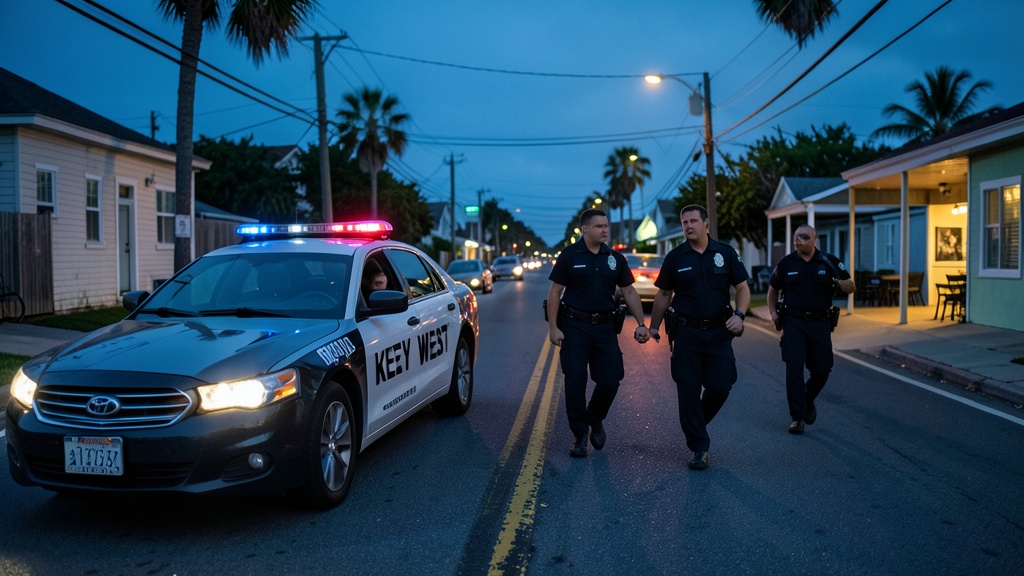
A Florida woman has been taken into custody after an artificial intelligence company alerted local authorities to violent messages she sent through a popular chatbot. According to reports from Gulf Coast Now, the 30-year-old resident of Bonita Springs was arrested last month for allegedly making threats against the Lee County Sheriff’s Office during a private conversation with Anthropic’s Claude.
Messages Flagged by AI Safety Systems
The incident began on September 26, when the woman engaged in an ongoing chat with the AI assistant. The first recorded threat was sent at 5:10 AM, where she allegedly wrote that she intended to "shoot up" the sheriff's office immediately. A follow-up message arrived early the next morning at 1:07 AM on September 27, stating she had acquired a new gun and issuing further threats.
Anthropic’s automated safety monitoring system flagged these messages as they met specific risk thresholds. Human reviewers then assessed the content and determined it was serious enough to warrant alerting law enforcement. The company did not immediately respond to requests for comment regarding their internal review process at the time of the arrest.
Arrest and Legal Consequences
Once notified, Lee County authorities promptly arrested the woman at her residence without incident. She was charged with written threats of violence, which constitutes a second-degree felony in Florida. Under state law, this charge carries a potential penalty of up to 15 years in prison and fines reaching $10,000, more context in Southwest Florida Woman Arrested After Surveillance Video Shows Sexual Act With Dog.
Privacy Concerns and AI Limitations
Lee County Sheriff Carmine Marceno told WINK News that the woman explained she used Claude like a "diary." However, this case illustrates that digital interactions with chatbots are not entirely private. Anthropic’s support documents state they do not disclose user information unless there is an emergency involving imminent physical harm or death.
This situation serves as a reminder for users who treat AI assistants as confidential therapists or recorders of thoughts. Messages sent to these platforms can be used to train models and, in certain circumstances shared with law enforcement without consent if safety protocols are triggered. Experts suggest seeking real-world resources for emotional relief rather than relying on chatbots that function primarily as stenographers.