Florida voters face crowded field of candidates in upcoming 2026 gubernatorial race
With nearly thirty qualified contenders across all parties, Central Floridians prepare for a pivotal election cycle shaping state policy.
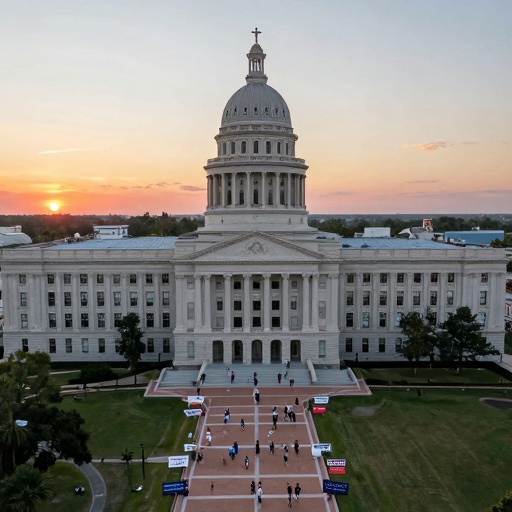
The political landscape in Florida is already taking shape as the state approaches its next major electoral milestone. By early evening on Monday, official records showed 28 qualified candidates vying for the governor's mansion. This diverse field includes eleven Republicans, six Democrats, one Libertarian candidate, and four individuals running without party affiliation.
For residents along the I-4 corridor from Daytona Beach to Orlando, this crowded ballot signals a highly competitive race that will likely extend well into 2026. The sheer number of contenders suggests intense competition within primary elections before the general election even begins.
A Crowded Ballot Defines Early Campaigning
The breakdown of candidates reveals a complex political environment where third-party voices and independent runners are making significant inroads alongside traditional party nominees. The six unaffiliated candidates represent a growing sentiment among Florida voters who feel disconnected from the two major parties.
"The sheer volume of names on this ballot indicates that Floridians are eager for new leadership, or perhaps dissatisfied with current trajectories," noted a political analyst based in Winter Park.
In Orange County alone, campaign signs and local advertisements have begun to appear near major intersections and community centers. Candidates from both sides are focusing heavily on the I-4 corridor, recognizing it as the economic engine of Central Florida that drives tourism and technology sectors.
Key Issues Driving Voter Concerns
While specific policy platforms are still being refined by many candidates, several key issues have emerged as central to the 2026 conversation. Housing affordability remains a top concern for families in Kissimmee and Sanford, where property values have surged alongside population growth.
Tourism stability is another critical factor, with all major theme park operators including Disney World, Universal Orlando, and SeaWorld watching state regulations closely. The governor's office holds significant sway over environmental protections that directly impact the parks' operations and visitor experiences, as noted by Civic Coast.
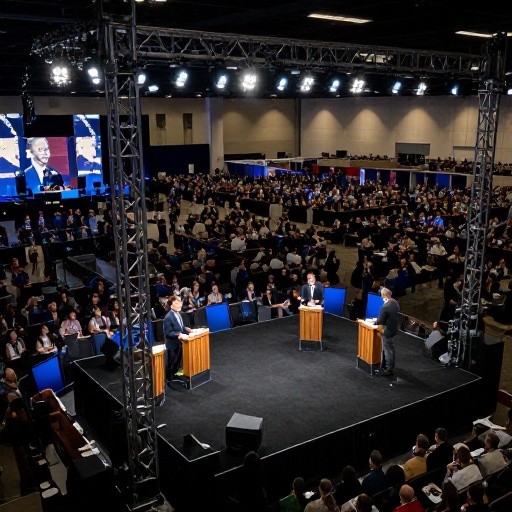
Education funding for UCF students and local school districts has also become a flashpoint in early debates. Candidates are proposing various solutions to address teacher shortages and infrastructure needs at rapidly expanding universities across Central Florida, a story we covered in 2026 Florida Ag Commissioner Race Heats Up as Primary Nears.
Implications for Local Communities
The outcome of this race will have direct implications for communities throughout the state, particularly those facing rapid development pressures. Real estate developers in Sanford and Winter Park are closely monitoring which candidates support zoning reforms that could accelerate housing projects.
Citizens attending town halls report a high level of engagement, with many expressing frustration over rising insurance costs and traffic congestion on major arteries like I-4 and State Road 50. These everyday concerns are likely to define the narrative as campaigns intensify.
As candidates finalize their platforms, voters in Orlando and surrounding areas will need to evaluate how each contender plans to address infrastructure improvements that support both residential growth and commercial expansion along the corridor.