2026 Florida Ag Commissioner Race Heats Up as Primary Nears
Voters in Orlando, Kissimmee, and across Central Florida weigh in on key agricultural policy shifts ahead of Aug 18 primary.
As the August 18 primary election draws closer, voters across Orange County and the broader I-4 corridor are turning their attention to a race that often flies under the radar but holds profound implications for local communities: Florida’s Agriculture Commissioner. While theme park tourism dominates headlines in Orlando, the state's agricultural sector remains an economic powerhouse, contributing over $100 billion annually to Florida's economy.
The Stakes for Central Florida
For residents of Winter Park, Sanford, and Kissimmee, agriculture is not just a distant industry but a vital part of the regional identity. The Office of the Agriculture Commissioner oversees critical issues such as water quality, pesticide regulation, and farmland preservation. In Orange County alone, where urban expansion constantly threatens rural buffers, the commissioner’s role in land-use policy is increasingly contentious.
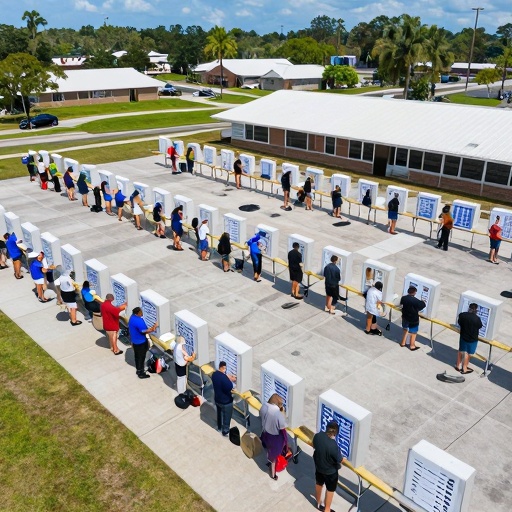
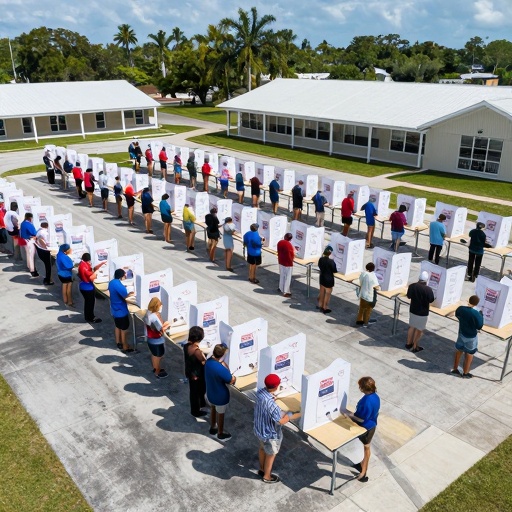
The upcoming primary will determine who represents Florida at the ballot box before the general election in November. With a packed field of candidates vying for Republican nomination, the race has become a proxy battle over how to balance agricultural productivity with environmental stewardship and urban development pressures.
Key Candidates and Their Platforms
The candidate landscape is diverse, reflecting the split between traditional farming interests and modern regulatory concerns. Leading contenders include incumbent Frank Smith, who campaigns on expanding Florida’s brand globally through initiatives like "Florida Grown." His platform emphasizes economic growth for farmers while maintaining strict biosecurity measures to protect citrus crops from disease.
Challenging him is a coalition of reform-minded candidates focusing heavily on water conservation. One prominent challenger has pledged to increase funding for the Florida Department of Agriculture and Consumer Services’ environmental protection programs, arguing that current regulations are insufficient given recent drought conditions in Central Florida.
Another significant figure in the race represents small-scale urban agriculture interests. This candidate argues for policy shifts that support community gardens and local food systems, a growing demand among Orlando residents concerned about food security and sustainability.
Critical Issues Shaping Voter Decisions
Aquifer protection remains the top issue for many voters in Seminole County and Lake County. The Floridan Aquifer supplies drinking water to millions across Central Florida, including Orlando and Daytona Beach. Candidates are being scrutinized on their willingness to enforce stricter limits on agricultural runoff that threatens water quality, as we reported in Central Florida Voters Prepare for Key Election Day Races Tuesday.
"The commissioner’s office holds the keys to how we manage our most precious resource: water," said a local environmental advocate in Winter Park. "Voters need to understand that this election directly impacts their tap water and property values."
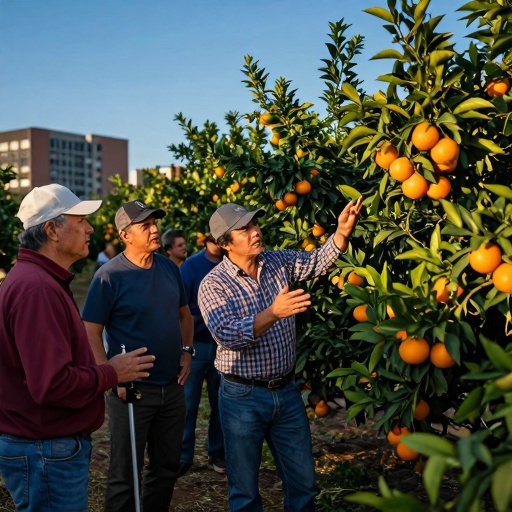
Citrus greening, or Huanglongbing (HLB), continues to devastate groves across the state. With Orange County’s citrus industry facing existential threats, candidates are expected to detail specific strategies for research funding and pest control. The failure of previous initiatives has led many voters to demand more aggressive federal collaboration and local enforcement.
Additionally, labor shortages in agriculture have become a pressing concern. As seasonal workers from traditional migration routes face increased scrutiny, Florida’s agricultural sector is seeking policy solutions that ensure reliable harvests without compromising worker rights or safety standards.
Impact on Local Communities
In Kissimmee and surrounding areas, the intersection of tourism and agriculture creates unique regulatory challenges. The commissioner oversees pesticide application near residential zones and tourist destinations. Recent controversies over spray drift affecting neighborhoods in Orange County have heightened voter awareness of this office’s daily operations.
UCF researchers are closely monitoring candidate positions on agricultural technology. As Orlando becomes a hub for ag-tech innovation, voters expect the next commissioner to foster partnerships between universities like UCF and local farming enterprises. This could mean significant grants for precision agriculture startups in the region.
The race also highlights generational divides within Florida’s political landscape. Older voters tend to prioritize production metrics and trade agreements, while younger demographics focus on climate resilience and sustainable practices. Polls suggest that undecided voters are heavily influenced by how candidates address these conflicting priorities.