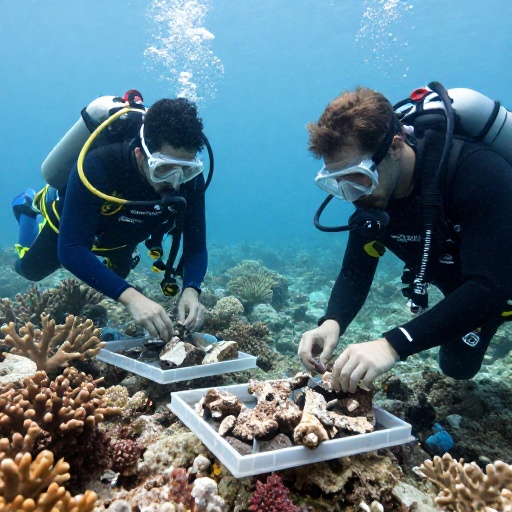
 Imagen generada con IA para Politics
Florida Scientists Race to Save Coral Reefs as El Nio Warms the Ocean
Three years after a deadly marine heatwave, researchers deploy new strategies to protect Central Florida's fragile underwater ecosystems from rising temperatures.
Orlando is known for its theme parks and sunshine, but just offshore in the Atlantic, an invisible battle is raging. Three years ago, Florida’s coral reefs faced their most severe test yet during a devastating marine heatwave that bleached vast stretches of the state's coastline. Now, as El Niño conditions return to warm the ocean waters again, scientists are racing against time and temperature to save these vital underwater ecosystems.
Recovering from the 2021 Marine Heatwave
The summer of 2021 marked a turning point for marine biologists in Central Florida. Record-breaking sea surface temperatures caused widespread coral bleaching, particularly along the reefs near Melbourne Beach and Fort Pierce. This event was not an isolated incident but part of a broader pattern of climate stress affecting the entire Atlantic coast.
Dr. Sarah Mitchell, a lead researcher with the University of Central Florida’s marine biology department, notes that recovery has been slow but steady in some areas. "We saw significant mortality rates among stony corals last time," she explains. "But we also observed resilience in heat-tolerant species like Porites furcata." This natural selection process is now being studied closely to identify which coral strains can withstand higher temperatures.
The economic impact of this ecological crisis extends beyond the reef itself. Florida’s coastal tourism industry, including diving centers and fishing charters based out of ports in Orlando-linked counties like Brevard and Volusia, relies heavily on healthy reefs. A degraded ecosystem means fewer tourists and less revenue for local businesses.
El Niño Returns: A New Threat Looms
This year brings the return of El Niño, a climate pattern characterized by warmer-than-average sea surface temperatures in the central and eastern Pacific Ocean. While its effects are global, they manifest locally through altered weather patterns and increased ocean heat content along Florida’s coast.
According to data from the National Oceanic and Atmospheric Administration (NOAA), sea surface temperatures off the east coast of Florida have already risen above historical averages for this time of year. Experts warn that if El Niño strengthens, it could push water temperatures past critical thresholds for coral survival.
The stakes are high. Corals expel the symbiotic algae living in their tissues when stressed by heat, causing them to turn completely white—a process known as bleaching. If the stress persists, the corals can die off entirely. With El Niño potentially peaking later this year, scientists fear a repeat of the 2021 disaster.
Innovative Conservation Strategies
In response to these threats, Florida’s scientific community has developed more aggressive and targeted intervention strategies. Unlike previous years where efforts were largely reactive, current initiatives focus on proactive resilience building, a story we covered in Orlando Residents Prepare for Stormy Winter as El Nino Pattern Brings Cooler Air.
One key approach involves the cultivation of "super corals." Researchers are selectively breeding coral fragments that have shown natural resistance to heat stress in laboratory settings before transplanting them onto vulnerable reefs near Orlando’s coastal neighbors. This technique aims to create a genetic buffer against future warming events.
Additionally, local governments and non-profits are expanding reef monitoring programs. Using advanced underwater drones and satellite imagery, teams can now detect early signs of bleaching in real-time. This allows for rapid response measures, such as shading corals with temporary structures or relocating highly vulnerable species to deeper, cooler waters.
Community engagement has also become a cornerstone of the new strategy. Programs like "Adopt-a-Reef" encourage local divers and residents from Orlando, Kissimmee, and Daytona Beach to participate in cleaning and monitoring efforts. This grassroots involvement not only aids conservation but raises awareness about the connection between land-based activities and ocean health.
The Role of Policy and Funding
Scientific innovation alone cannot save Florida’s reefs without adequate policy support and funding. State legislators have recently debated increased allocations for marine research, recognizing that coral reef preservation is tied to long-term economic stability in tourism and fisheries.
Critics argue that current budgets are still insufficient compared to the scale of the threat. However, proponents point out that public-private partnerships with theme park companies like Disney and Universal have begun contributing resources toward coastal conservation initiatives. These corporations recognize that a healthy environment is essential for their own long-term viability.
As scientists continue to refine their models and methods, the message remains clear: Florida’s coral reefs are at a crossroads. The actions taken now will determine whether these underwater cities survive or become ghostly white skeletons of their former selves.