Florida Records First Known Case of Lead Poisoning Killing a Crocodile
The Fish and Wildlife Conservation Commission confirms this rare incident, raising concerns about environmental toxins affecting wildlife across Central Florida.
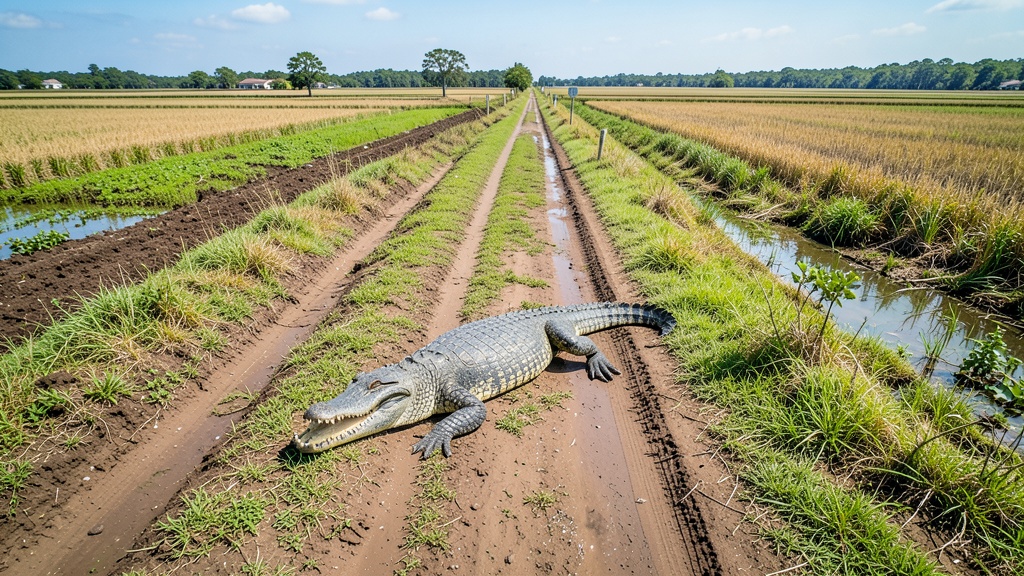
Orlando residents are being reminded of the fragile balance between human development and natural habitats after state officials confirmed a disturbing new case. The Florida Fish and Wildlife Conservation Commission (FWC) announced that a crocodile in the state has died from apparent lead poisoning.
This marks the first known instance of such an occurrence recorded by wildlife authorities in Florida’s history. While alligators are common sights along Central Florida waterways, this specific case involving American crocodiles highlights potential environmental hazards lurking beneath the surface.
Understanding the Significance
The FWC emphasized that while alligator populations remain robust and healthy across the state, this isolated incident serves as a critical warning. The agency noted that lead poisoning in wildlife is often linked to discarded fishing tackle or ammunition found near water bodies.
Unlike alligators, which are frequently harvested for their skins and meat under strict regulations, American crocodiles are protected due to lower population numbers. This distinction makes the loss of even a single individual significant from a conservation standpoint, a story we covered in First Dengue Death Reported in Florida as Outbreak Grows.
Environmental Concerns in Central Florida
The discovery has sparked conversations among local environmental groups regarding water quality and waste management practices throughout Orange, Seminole, and Osceola counties. Many residents frequent lakes such as Lake Eustis or the St. Johns River tributaries for recreation.
Officials urge anglers to inspect their gear regularly. Lost sinkers, jigs, and lead weights can remain in aquatic ecosystems for decades, posing a constant threat to wildlife that may mistake them for food.