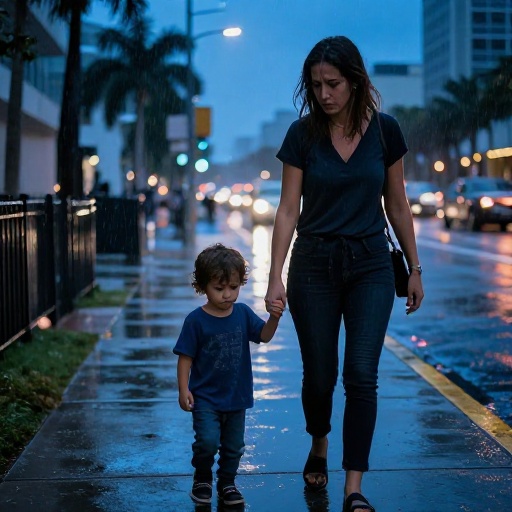
Florida has recorded its first dengue-related death of 2026, marking a significant moment in what officials describe as one of the state's largest outbreaks in recent years. The confirmation comes as health authorities work to contain the spread of the virus, which is transmitted through mosquito bites. This development highlights the ongoing public health challenges facing communities across Florida during warmer months when mosquito populations typically surge.
Understanding the Current Outbreak
The state's health department has been tracking cases closely as numbers rise in various regions. Dengue fever is a viral infection spread by Aedes mosquitoes, which are common in many parts of Central Florida and other warm areas of the state. While most people recover with supportive care, such as rest and fluids, severe cases can lead to complications that require hospitalization. The recent fatality underscores the importance of early detection and prevention strategies for residents living in high-risk zones.
Prevention Efforts Across Communities
In response to the growing number of cases, local health officials are encouraging residents to take proactive steps to reduce mosquito exposure. This includes eliminating standing water around homes where mosquitoes breed, using EPA-approved insect repellents, and wearing long-sleeved clothing when outdoors during peak activity times for mosquitoes. Community-wide efforts often involve spraying programs in public parks and neighborhoods to lower the overall mosquito population, as we reported in Florida Confirms First Dengue Death Amid Historic Outbreak Surge.
What Residents Should Know
Residents are advised to monitor their health closely if they have been bitten by a mosquito, especially if symptoms such as high fever, severe headache, pain behind the eyes, joint pain, or rash appear. Seeking medical attention early can help manage symptoms and prevent potential complications. Public health campaigns continue to emphasize that while dengue is serious, it is largely preventable through consistent personal protection measures and community vigilance.