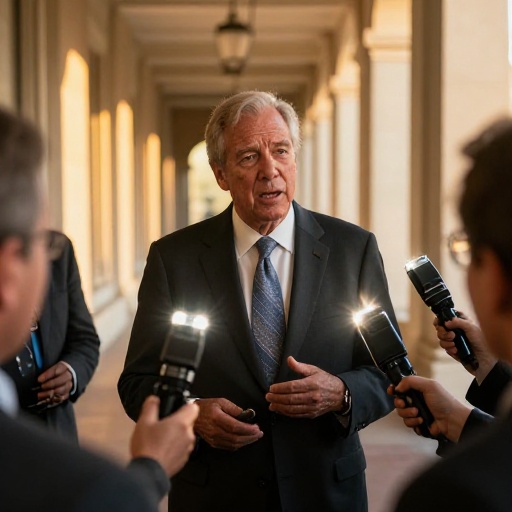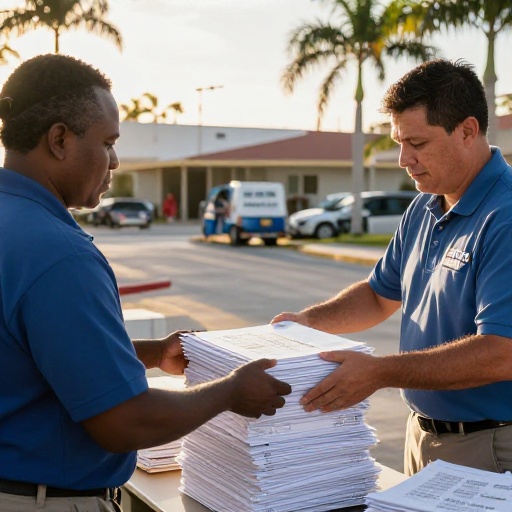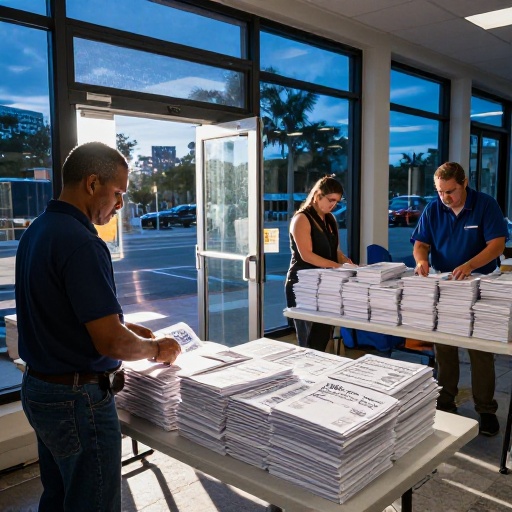
County supervisors of elections across Florida are beginning to receive the first wave of mail-in ballots for the upcoming November general election. The Division of Elections reports that approximately 8 million votes are expected in total, marking a significant period for local electoral processes. Early data indicates that around 150 mail ballots have been returned from nearly 200,000 sent to Floridians currently serving in the military or living overseas. These figures were posted by the Division of Elections on Monday, providing an initial snapshot of voter engagement as counties prepare for a high-turnout cycle.
Early Returns and Local Tracking
Hillsborough County Supervisor of Elections Craig Latimer emphasized the importance of transparency in this early stage. In a statement released Friday, Latimer encouraged voters to track their ballots and sign up for notifications to know when they are mailed out and received back at the office. He noted that most mail takes about a week to reach its destination. The Hillsborough County elections office has already sent 2,721 General Election ballots to absent military and overseas voters, with plans to distribute more than 146,000 additional ballots to domestic voters starting October 1.
Partisan Breakdown of Early Votes
Preliminary data shows a distinct partisan split in early mail-in returns. Democrats have returned significantly more ballots compared to Republicans and unaffiliated voters. Specifically, there are 63 ballots submitted by registered Democrats, 39 by Republicans, and 26 from individuals without party affiliation. Broward County’s elections office accounted for nearly three-quarters of the Democratic ballots sent out so far. Historically, Republicans have made up this gap through in-person early voting, despite currently holding a 1.55 million advantage in registered voters over Democrats.
Legal Challenges and Voting Rules
The start of pre-election day voting occurs alongside ongoing legal disputes regarding Florida’s election laws. Representatives for Common Cause stated that voters should not anticipate changes to the process from the prior cycle, as they continue litigation against legislative changes made earlier this year. Executive Director Amy Keith clarified during a conference call that "in 206, the rules are exactly the same as they were in 2024." The new law HB 991, which requires citizenship paperwork and photo ID for registration, does not take effect until after the November election, more context in Florida Mail Voting Proceeds Despite Trump Executive Order.
Voter Registration Deadlines
Common Cause has launched an election protection program to mobilize volunteers across the nation. They advise Florida voters to double-check their registration status before the deadline, which is October 5 for the Nov. 3 election. The organization argues that documentation requirements create unnecessary barriers under the First and Fourteenth Amendments, a claim currently being litigated in federal court.