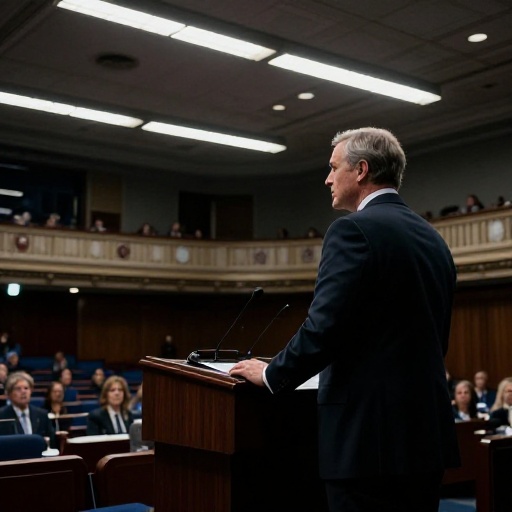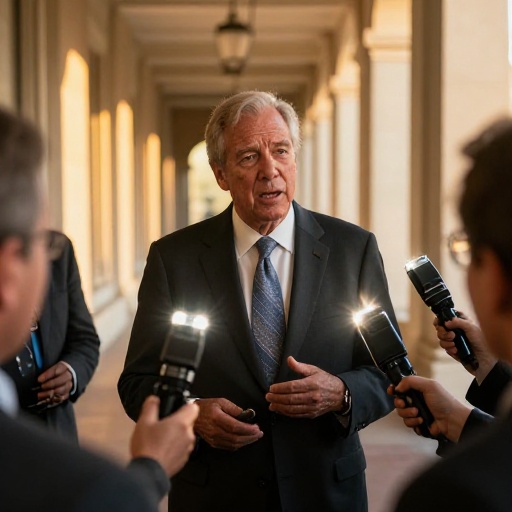
Two Republican Senate candidates have publicly called for a swift conclusion to the ongoing conflict in Iran, marking a notable departure from President Donald Trump’s current stance. This development emerged on Monday as reported by Reuters, highlighting how vulnerable politicians are attempting to differentiate themselves during tight US Senate races. The move suggests an evolving strategy among GOP hopefuls who seek to address foreign policy concerns while appealing directly to their constituents.
Divergence in Foreign Policy Approaches
The statements made by these candidates reflect a growing tension within the Republican Party regarding its approach toward international conflicts. By advocating for rapid de-escalation, both individuals appear to be positioning themselves against broader administration policies associated with Trump’s leadership style. While specific details about their arguments remain limited in initial reports, this divergence underscores potential fractures between party leaders and grassroots candidates navigating complex geopolitical landscapes.
Implications for Upcoming Elections
In highly competitive Senate districts, where margins can be razor-thin, such distinctions may carry significant weight with voters. Candidates often tailor their messaging to resonate locally while addressing national issues like military engagements abroad. For those running in swing states or contested regions, emphasizing peace efforts could attract moderate independents dissatisfied with prolonged involvement overseas. However, aligning too closely—or not—with established party figures risks alienating core supporters who prioritize strong executive action, as we reported in House Votes to End US.
Broader Context of GOP Strategy
This incident also sheds light on broader trends shaping modern electoral campaigns. As global events increasingly influence domestic discourse, politicians face pressure to balance ideological consistency with pragmatic appeals. With Iran tensions dominating headlines recently, candidates must carefully navigate public sentiment without overcommitting resources or alienating key demographics. Whether this shift represents genuine conviction or calculated opportunism remains unclear but will likely spark further debate within conservative circles leading up to November elections.