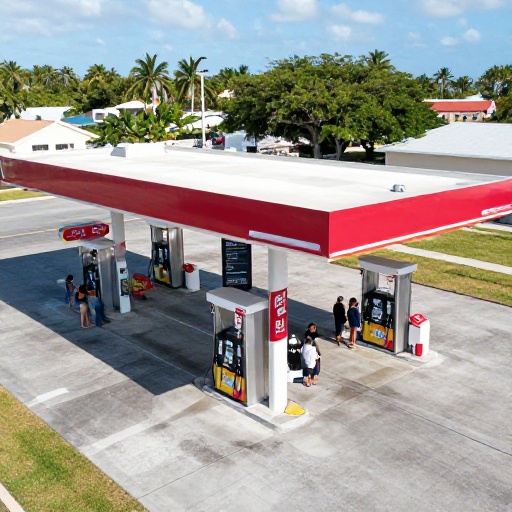
Florida gas prices drop 2 cents as school year begins
Orlando drivers see $3.79 average while Miami area rises slightly amid national trends and global supply concerns.
As the school year gets into gear and residents return to work routines following summer vacation, South Florida drivers are seeing stable prices at the pump. The average cost of gasoline in Florida dropped by two cents per gallon this week, though Miami-area stations saw a slight increase of one penny. This shift comes as national averages climb, with U.S. gas prices rising six cents to an average of $4.06 per gallon on Monday, August 17.
Local Pricing Across Central and South Florida
In Orlando, the average price for a gallon of regular gasoline is listed at $3.79 by AAA data collected on Monday. This places Central Florida among more affordable regions compared to other parts of the state. For context, North Florida generally offers the cheapest gas in the Sunshine State, while the Keys and Palm Beach County remain the most expensive areas to refuel.
South Florida drivers face slightly different conditions. In Miami-Dade, prices averaged $3.89 on Monday, representing a one-cent increase from the previous week. Fort Lauderdale remained steady at $3.93, while West Palm Beach and Boca Raton saw a penny rise to average $4.04. Monroe County recorded an average of $4.11, also up by one cent.
Despite these local fluctuations, AAA spokesman Mark Jenkins noted that Florida drivers experienced some relief last week even as oil prices moved higher. However, he cautioned that this relief might limit how much further pump prices could fall in the near term. If crude oil remains elevated, upward pressure at the pumps is likely to persist.
Global Factors Driving Market Trends
The stability and slight increases seen across Florida are influenced by broader global market forces. Patrick De Haan, head of petroleum analysis at GasBuddy, explained that average gasoline prices climbed back above $4 per gallon nationally over the last week. He attributed this rise to rebounding oil prices driven by the continued closure of the Strait of Hormuz and ongoing attacks on Russian oil refineries, more context in Florida Grocery Prices Spike Up To 52%, Leaving Central Floridians Searching For.
De Haan noted that diesel felt pressure even more acutely, rising in all but a few states due to Ukraine’s attacks on Russian refining infrastructure. While the seasonal transition to cheaper winter-blend gasoline could bring some relief in the coming month, De Haan stated that the two dominant challenges facing motorists—the closed Strait and ongoing refinery strikes—show no signs of resolving anytime soon.
Tools for Commuters
For residents navigating these fluctuating costs, resources are available to help manage commuting expenses. The GasBuddy app provides real-time data on fuel prices around motorists' locations. It also functions as a fuel tracker that updates users on stations with or without supply based on current changes.