As Central Florida families head into summer travel season, a volatile mix of international conflict and shifting U.S. foreign policy is hitting them right at the gas pump. The Trump administration has signaled plans to drop sanctions on Iranian crude oil, a move that comes as gas prices nationwide have surged to an average of $3.89 per gallon following Israel's attack on a critical Iranian natural gas field.
The developments are unfolding rapidly, with implications that stretch from the geopolitical stage all the way to the I-4 corridor, where commuters, theme park visitors, and logistics companies are all watching fuel costs with growing concern.
What's Happening With Iran Sanctions
The Trump administration has indicated it intends to ease sanctions on Iranian crude oil as part of broader diplomatic negotiations with Tehran. The move represents a significant shift in U.S. policy toward Iran and is being closely watched by energy markets around the world.
Supporters of the decision argue that allowing more Iranian crude onto the global market could help bring down oil prices by increasing supply. Iran sits on some of the world's largest proven oil reserves, and lifting sanctions could release a significant flow of petroleum onto international markets.
Critics, however, warn that easing pressure on Iran could embolden Tehran's regional ambitions and undermine leverage that the U.S. and its allies have built over years of diplomatic pressure. The timing is particularly fraught given the ongoing military tensions between Israel and Iran.
Israel's Strike on Iranian Gas Field Rattles Markets
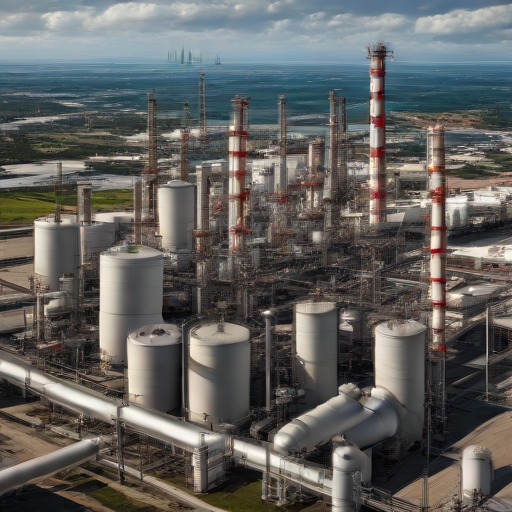
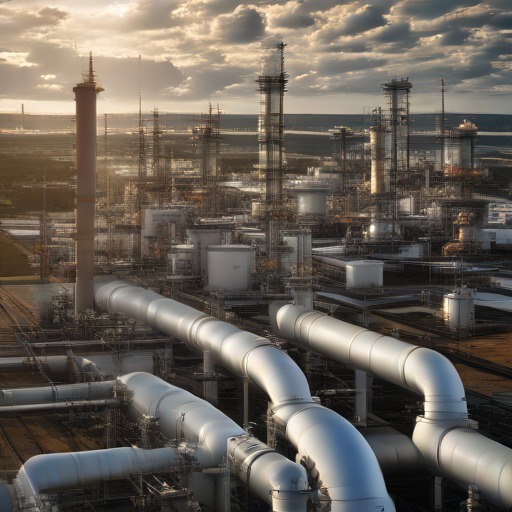
Global oil prices surged after Israel launched an attack on a critical Iranian natural gas field, escalating an already tense standoff in the Middle East. The strike raised immediate fears about the security of energy infrastructure in one of the world's most important oil-producing regions.
Energy analysts have pointed out that any disruption to production or transit in the Persian Gulf region — through which roughly one-fifth of the world's oil supply passes — can send shockwaves through global markets. The price spike following the Israeli attack was swift and significant.
The conflict has added a layer of uncertainty to an already complex global energy picture, where supply chain disruptions, OPEC production decisions, and shifting U.S. policy all play a role in determining what consumers pay at the pump.
How Central Florida Drivers Are Being Affected
For Orlando-area residents, the national average of $3.89 per gallon tells only part of the story. Florida's gas prices have historically tracked close to or slightly above the national average, and the state's car-dependent infrastructure means that fuel costs represent a significant portion of household budgets for many families.
Commuters along the I-4 corridor between Daytona Beach and Tampa are among those most affected, with many driving 30 miles or more each way to work. For a driver filling up a 15-gallon tank, even a 20-cent increase per gallon adds up to an extra $3 per fill-up — or roughly $150 more per year for someone filling up weekly, a story we covered in Trump Defends $4 Gas Prices After Strike on Iran, Vowing No Apology to Florida V.
The tourism industry, which is the lifeblood of the Orlando metro area, also watches fuel prices closely. Higher gas costs can dampen the enthusiasm of drive-in tourists from Georgia, Alabama, and the Carolinas who make up a significant share of visitors to Walt Disney World, Universal Orlando, and SeaWorld.
"When gas prices go up, we see families making tighter budgets for their vacations. They might skip a day at the parks or cut back on dining out," one Orlando hospitality industry analyst noted in recent weeks as prices began climbing.
What Could Happen Next
The potential easing of Iranian sanctions could theoretically help bring prices down over time by adding supply to global markets. However, energy experts caution that the timeline for any meaningful impact is uncertain. Even if sanctions are lifted quickly, it takes time for Iranian oil production to ramp up and reach international buyers.
Meanwhile, the military situation between Israel and Iran remains fluid. Any further escalation could push prices higher regardless of what happens on the sanctions front. OPEC nations are also carefully calibrating their own production levels, adding another variable to the equation.
For Central Florida consumers, the best advice from financial planners remains practical: budget for higher fuel costs in the near term, consider carpooling or using SunRail and Lynx transit options where available, and keep an eye on apps like GasBuddy to find the best local prices.
The Bigger Picture for Florida's Economy
Florida's economy is particularly sensitive to energy price fluctuations due to its heavy reliance on tourism, logistics, and transportation. The Port of Orlando (Port Canaveral) and Orlando International Airport both see fuel costs as a key factor in their operational planning.
Governor Ron DeSantis and state legislators have previously suspended the state gas tax during periods of high prices, and there is growing discussion about whether similar relief measures might be considered if prices continue to climb through the summer months.
For now, Orlando-area residents are watching the international developments with a uniquely local lens — understanding that decisions made in Washington, Tehran, and Jerusalem have a very real impact on what they pay every time they pull up to the pump on Colonial Drive or Orange Blossom Trail.