Florida Democrats Target Key Primaries Amid Conservative Landscape
Socialist candidates face uphill battle in Florida House and Senate races, testing left-wing strategy in a deeply red state.
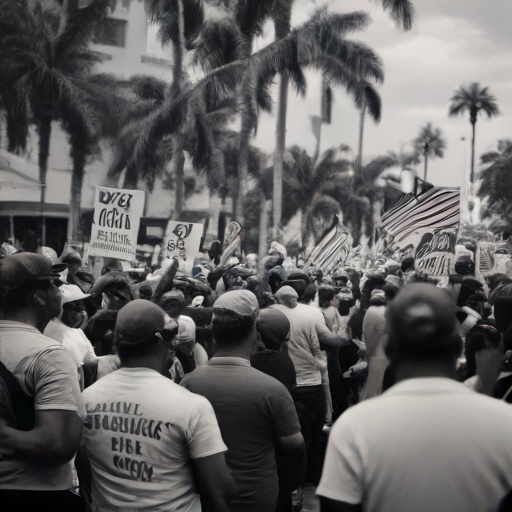
Three primaries for seats in the U.S. House and Senate are scheduled for Tuesday, presenting a significant test for the political left in Florida. This contest marks a fresh challenge for Democratic Socialists as they attempt to make gains in a state where socialism is frequently viewed with skepticism by the electorate. The upcoming elections will determine whether leftist candidates can overcome deep-seated conservative leanings within specific districts across Central Florida and beyond.
Challenges in Hostile Territory
The political landscape of Florida has long been characterized as a stronghold for Republican voters, making it an inherently difficult environment for Democratic challengers. For candidates identifying with the socialist wing of the party, the hurdles are even higher. In many parts of Central Florida, including areas around Orlando and Kissimmee, traditional conservative values dominate local politics. The perception of socialism as a "dirty word" in these communities presents a unique marketing challenge for campaigners seeking to win over moderate or independent voters.
Despite the hostile terrain, the presence of three specific primaries highlights an organized effort by left-wing groups to secure representation at the federal level. These races are not merely about local issues but serve as bellwethers for broader ideological battles within the Democratic Party. The candidates involved must navigate a complex media environment where their policy proposals are often scrutinized through a lens of national political polarization rather than just local community needs.
Implications for Local Representation
The outcomes of these primaries will have direct implications for how Florida is represented in Washington, D.C. If socialist candidates manage to secure nominations or even upset established frontrunners, it could signal a shift in the base of Democratic support within the state. Conversely, losses may reinforce the status quo and discourage further investment in leftist platforms across other swing districts, as we reported in Florida Democrats Target Key Primaries in Conservative Stronghold.
For residents in Orange County and surrounding areas, these elections represent a critical moment to engage with candidates who propose significant structural changes to healthcare, labor laws, and economic policy. The focus remains on whether these ideological shifts can translate into tangible electoral success in a state that has historically resisted such movements.