David Jolly Seeks to Flip Florida Governorship Amid Affordability Crisis
Former GOP Rep. David Jolly challenges Byron Donalds, focusing on insurance costs and data center regulations in a competitive race.
Former Republican Representative David Jolly is launching a bid to flip the Florida Governorship, positioning himself as a viable alternative to President Donald Trump-endorsed U.S. Rep. Byron Donalds. With Election Day approaching in November 2026, Jolly’s campaign centers on addressing Florida's affordability crisis, specifically targeting rising insurance rates and living costs that have frustrated working families across the state.
Challenging a Decades-Long GOP Dominance
Jolly argues that Donalds represents a Tallahassee establishment that has controlled Florida government for three decades. Since Lawton Chiles won in 1994, Republicans have secured eight consecutive gubernatorial victories and hold a voter registration advantage of 1.5 million voters. Jolly contends that this political shift from the close margins seen in the 2000 presidential election to a Republican stronghold has left many Floridians feeling unheard.
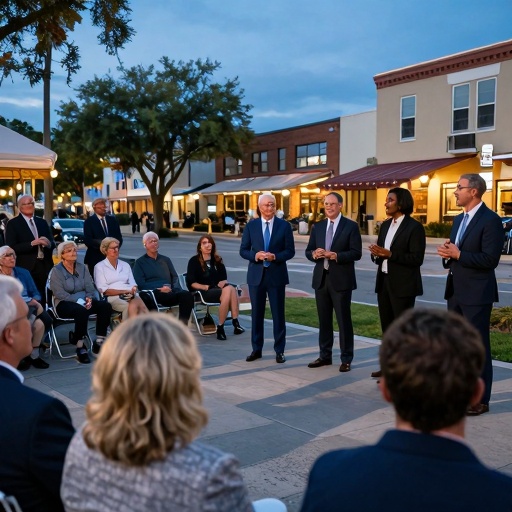
"Folks, nothing's going to change in Tallahassee if the same people who have paid for it for 30 years keep paying for another four," Jolly told Democratic activists at an Orlando event. He frames Donalds as a vessel for "deep pocket interests" rather than a representative of ordinary taxpayers.
Focus on Affordability and Insurance Reform
The core of Jolly’s platform addresses the financial pressures facing retirees, young professionals, and the middle class. A key policy prescription is the creation of a state-managed catastrophe fund to remove hurricane insurance from the private market, aiming to dramatically reduce premiums for homeowners.
This approach contrasts with Donalds’ focus on revisiting existing Florida insurance regulations while proposing federal legislation that would require data centers to secure their own power and water supplies. Jolly argues that such measures are insufficient without broader structural changes to protect consumers from rising utility costs associated with new infrastructure projects, as this newspaper reported in David Jolly seeks to revive political debate in Florida.
Building a Broad Coalition
To overcome the Republican voter registration advantage, Jolly has selected former Democratic Congresswoman Gwen Graham as his running mate. This choice aims to build a coalition of disaffected GOP voters and independents. Graham’s selection is intended to rekindle memories of past Democratic successes in public education and environmental protection.
Recent polling highlights the competitive nature of the race. A University of North Florida poll shows Donalds at 46% support compared to Jolly’s 41%, with a margin of error of 3%. However, another survey by Change Research indicates Jolly leading 46% to 40%. Political scientist Charles Zelden notes that many voters remain disengaged from the campaign, suggesting significant work remains for both parties.
Data Centers and Environmental Concerns
A major battleground in this election is the rapid expansion of data centers. Jolly has called for a statewide moratorium on new construction until adequate environmental safeguards and labor protections are established. He cites contributions from companies like Fort Meade LLC to political committees supporting Donalds as evidence that developers influence public policy before regulations are fully formed.
While the Donalds campaign warns that Jolly’s policies could raise costs, Jolly maintains that his strategy is necessary to break the cycle of Republican dominance and address the immediate financial struggles facing Florida residents.