Cocaine 'Square Grouper' Surfaces Off Florida Keys: A Local Security and Economic Concern
Residents and visitors along the Florida Keys are encountering an unusual catch that has little to do with sport fishing. Instead of snapper or grouper, authorities frequently recover bricks of high-purity cocaine washed up on beaches throughout the island chain. Known locally as "square grouper," these packages represent a persistent security challenge for law enforcement and a significant economic factor affecting local tourism and marine conservation efforts.
The Reality of Washed-Up Drugs
According to reports from The New York Times, bricks of cocaine are not an isolated incident but a recurring phenomenon in the waters surrounding Key West and Monroe County. These packages, often wrapped tightly in plastic or duct tape to survive saltwater exposure, wash ashore after being jettisoned by drug smugglers attempting to evade Coast Guard patrols.
The term "square grouper" has become slang among locals for these illicit cargo bricks. While the imagery suggests a marine creature, the reality is far more dangerous and legally complex. The presence of these drugs indicates that maritime smuggling routes remain active despite increased federal scrutiny in the region.
Local Security Implications
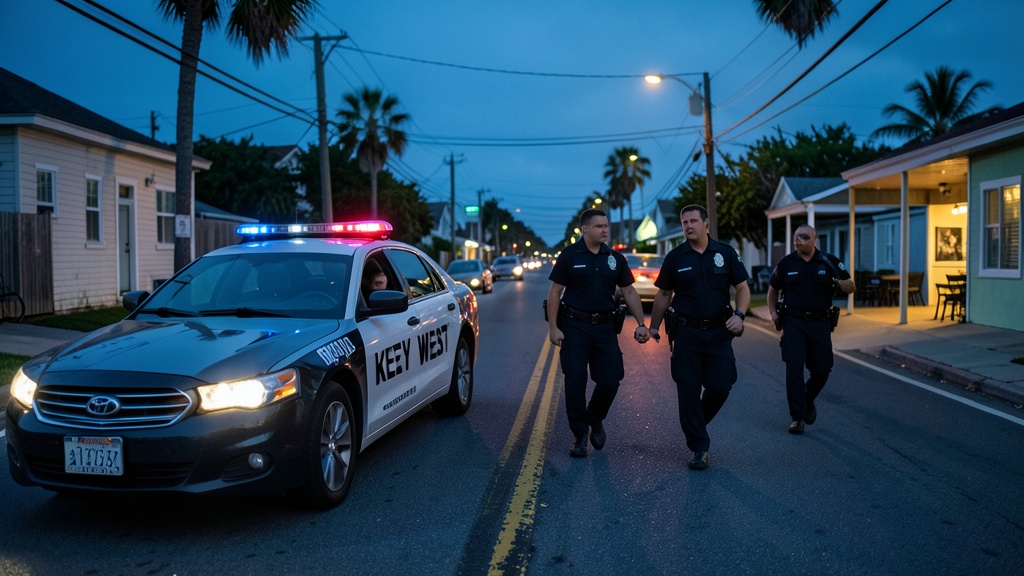
The discovery of cocaine on local beaches triggers specific security protocols for Monroe County Sheriff’s Office deputies and U.S. Coast Guard personnel. When residents find a brick, they are advised not to touch or open it due to potential chemical hazards and legal risks associated with possession.
However, the article notes that despite these warnings and the inherent dangers, some individuals who discover "square grouper" hang onto them. This behavior complicates law enforcement efforts and poses safety risks for community members who may not be trained in handling controlled substances or explosive precursors sometimes found in such packages.
Local authorities emphasize that possession of even a small amount of cocaine is a felony under Florida state law. The act of retaining these bricks, rather than reporting them immediately to police, can lead to serious criminal charges for the finder. This creates a tension between public safety education and individual compliance with the law.
Economic Impact on Tourism
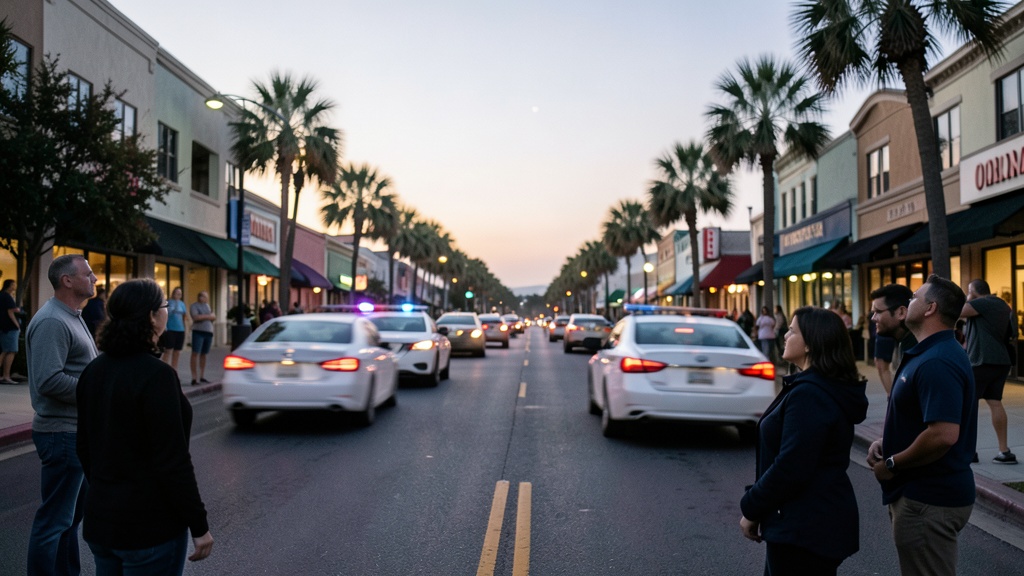
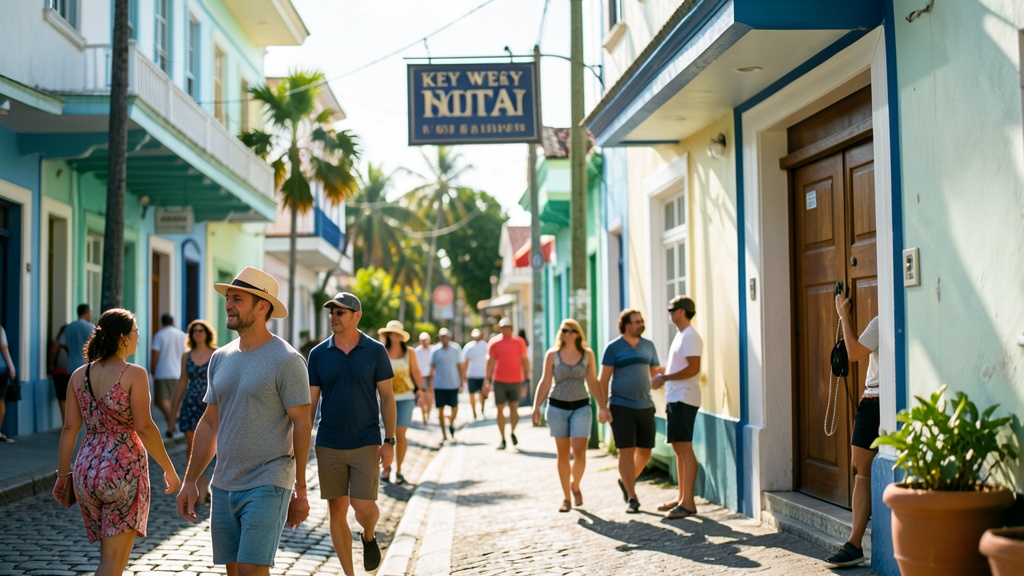
The Florida Keys rely heavily on tourism as their primary economic driver. The sight of drug paraphernalia or police activity related to seized narcotics can negatively impact the area's reputation as a pristine vacation destination. Local businesses, including charter fishing companies and beachfront resorts, operate in an environment where illegal activities occasionally intrude upon leisure spaces.
While the direct economic loss from washed-up cocaine is difficult to quantify in terms of immediate revenue, the indirect costs include increased law enforcement expenditures and potential insurance claims related to marine debris or hazardous material cleanup. Furthermore, any perception of a high-crime environment can deter tourists who prioritize safety and cleanliness, a story we covered in Pensacola Beach Weighs Stricter Vacation Rental Rules.
Marine Ecosystem Concerns
Beyond security and economics, the presence of cocaine in the Keys' waters raises environmental questions. Although plastic wrapping is designed to prevent leakage, breaches can occur over time, potentially introducing synthetic opioids or stimulants into local marine ecosystems.
The Florida Keys National Marine Sanctuary manages these waters with strict conservation goals. The introduction of foreign substances, even in sealed packages that eventually degrade or are discarded by wildlife, poses a long-term risk to coral reefs and fish populations. Local environmental groups often collaborate with law enforcement to document the volume of drugs recovered as part of broader marine pollution studies.
Community Response and Prevention
In response to this ongoing issue, local community organizations have launched awareness campaigns urging residents and visitors to report found items immediately rather than keeping them. These efforts aim to reduce the number of individuals inadvertently involved in drug trafficking investigations due to poor decision-making after finding a brick.
The situation underscores the complex intersection of international drug trafficking networks and local American communities. While the Florida Keys are known for their natural beauty, they also serve as a transit point for illicit goods destined for mainland markets. The "square grouper" phenomenon is a visible symptom of this larger criminal infrastructure.
As law enforcement continues to monitor maritime borders more closely, the frequency of these wash-ups may fluctuate. However, until smuggling routes are fully disrupted, local residents will likely continue to encounter these unexpected and dangerous finds along their shores. The community remains vigilant, balancing the allure of coastal living with the realities of its geographic position in global drug trade logistics.