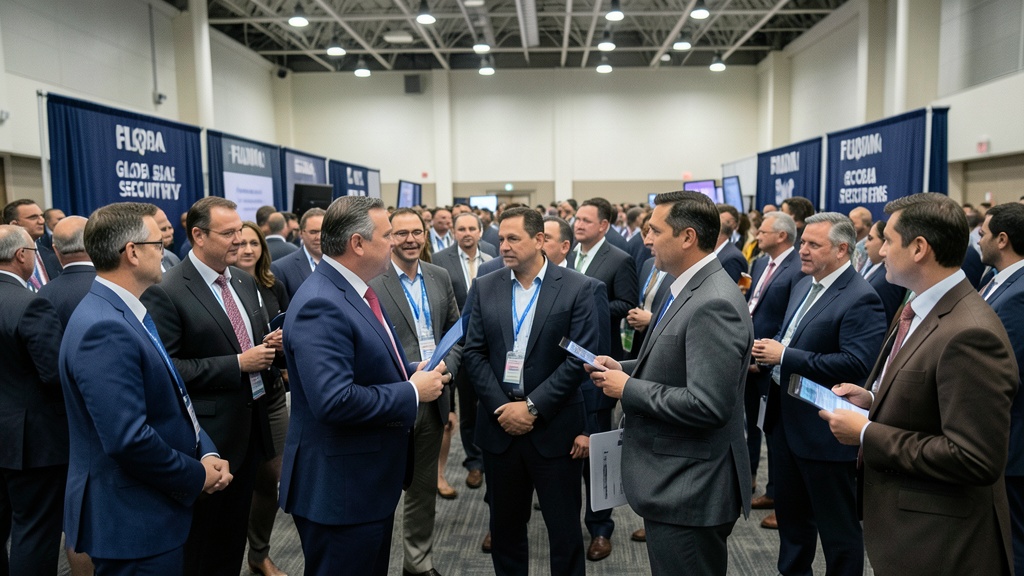
 Imagen generada con IA para Politics
AI Risks Trigger Fresh Chill in Global Finance as Regulators Tighten Focus
Central Florida financial leaders watch closely as global authorities warn of cybersecurity and leverage threats amplified by artificial intelligence.
Financial regulators across the globe are sounding a fresh alarm, sending ripples through investment circles from Wall Street to local Orlando banking hubs. The warning centers on how artificial intelligence is reshaping risk landscapes in ways that traditional oversight has yet to fully grasp.
According to recent reports highlighted by Dagens.com via MSN, financial authorities are paying closer attention than ever before to cybersecurity vulnerabilities, excessive leverage, and inflated asset valuations. These three pillars of stability are under strain as new technology adds complexity to an already volatile market environment.
The Intersection of Tech and Finance
Orlando’s growing fintech sector is not immune to these global shifts. As Central Florida continues to attract tech firms alongside its traditional tourism industry, local financial institutions are navigating a dual challenge: maintaining robust security while embracing innovation.
The core concern among regulators is that AI tools, while efficient, can accelerate market movements and obscure underlying risks. Cybersecurity breaches have become more sophisticated, leveraging machine learning algorithms to bypass traditional defenses. This creates a precarious environment where high asset valuations may not reflect true economic fundamentals.
"New technology is adding another challenge to an already complex risk landscape," analysts note regarding the current state of global finance. "Leverage and valuation metrics are being tested by speeds that human oversight cannot always match."
This warning carries significant weight for Orlando’s real estate market, which has seen rapid growth driven by both domestic migration and international investment. If financial leverage becomes too high or asset prices detach from reality due to algorithmic trading errors, local property markets could face sudden corrections.
Regulatory Response in the US
In response to these emerging threats, federal regulators are increasing scrutiny on how banks and investment firms utilize AI. The focus is not just on preventing fraud but ensuring that automated systems do not create systemic risks through interconnected leverage.
Cybersecurity remains a top priority for financial authorities inside the United States. With Orlando serving as a major hub for data centers and tech infrastructure, local businesses are particularly vulnerable to sophisticated cyberattacks designed to exploit AI-driven weaknesses, as this newspaper reported in OpenAI Co-Founder Warns Neocloud Cybersecurity Risks for AI Stocks.
Recent statements from global financial bodies suggest that stricter reporting requirements may be on the horizon. Institutions will likely need to demonstrate how they manage risks associated with automated decision-making processes. This includes stress-testing algorithms against extreme market scenarios to prevent cascading failures.
Implications for Central Florida Investors
For residents and investors in Orange County, these global warnings serve as a cautionary tale about the speed of modern finance. The theme park industry, which relies heavily on capital investment and consumer spending confidence, must remain vigilant against economic shocks, as this newspaper reported in OpenAI Co-Founder Warns Neocloud Cybersecurity Risks for AI Stocks.
Universal Orlando Resort and Walt Disney World continue to drive significant revenue for Central Florida, but their financial health is tied to broader market stability. If AI-driven volatility causes sudden shifts in interest rates or credit availability, expansion plans could face delays.
Local real estate developers are also watching closely. High asset valuations have fueled a construction boom across the I-4 corridor from Kissimmee to Daytona Beach. However, if regulators crack down on excessive leverage, financing costs may rise, slowing new developments in Winter Park and Sanford.
The intersection of technology and finance requires a balanced approach. Innovation must not come at the cost of stability, especially when local economies depend on steady investment flows.
Community leaders in Orlando are encouraged to stay informed about these regulatory changes. Understanding how global financial trends impact local mortgage rates and business loans is essential for making sound economic decisions.
Moving Forward with Caution
The message from regulators is clear: vigilance is required. As AI becomes more embedded in trading, lending, and risk assessment, the potential for unexpected disruptions grows, as noted by USA Today.
Local financial advisors recommend that investors diversify portfolios to mitigate risks associated with high leverage and volatile asset classes. Diversification remains a key strategy when facing uncertainty driven by rapid technological change.
Furthermore, cybersecurity best practices are no longer optional for businesses of any size. Orlando’s small business community must invest in robust digital defenses to protect against the evolving threats highlighted in recent global warnings.
As Central Florida continues its economic growth trajectory, balancing innovation with security will be critical. The lessons learned from these global financial alerts could shape how local institutions operate for years to come.