White House Bars CNN From Covering Trump's Tennessee Trip On Behalf Of TV Networks
The White House has prohibited CNN from flying aboard Air Force One to cover President Donald Trump’s upcoming visit to Tennessee, marking a significant escalation in media access restrictions.
Media Access Restrictions Intensify
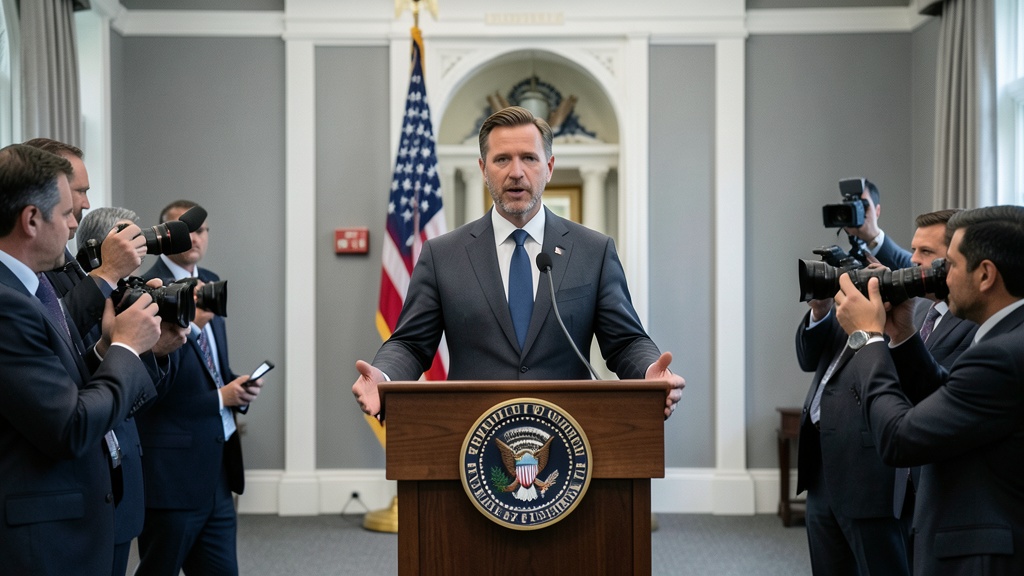
The White House announced on Saturday that it is barring CNN from traveling with the press pool aboard Air Force One. This decision affects coverage of President Donald Trump's scheduled trip to Tennessee. The restriction applies specifically to CNN’s role in covering the president on behalf of major television networks.
This move represents a notable tightening of access for one of the country's largest news organizations. It follows a pattern of increased friction between the current administration and specific media outlets regarding press credentials and travel arrangements. The decision impacts how national audiences will receive live updates from the presidential aircraft during this domestic tour.
Context Of Travel And Coverage
The President is traveling to Tennessee for official duties that require extensive media presence. Typically, major television networks share access through a coordinated press pool system aboard Air Force One. This ensures broad coverage while managing space and security constraints on the aircraft.
CNN has historically been part of these rotating pools or granted specific credentials based on its status as a major network affiliate. The exclusion suggests a targeted decision rather than a general reduction in press corps size for this particular itinerary. White House officials have not provided detailed public justification beyond the initial notification to the network, as we reported in Trump Names NYT, WaPo as Next Targets for White House Ban.
Implications For Local And National Reporting
For Orlando and Central Florida residents, who closely follow presidential activities affecting federal policy and theme park industries, such restrictions highlight evolving dynamics in political communication. The I-4 corridor remains a key demographic for national news consumption tied to Washington decisions.
The restriction may force CNN journalists to rely on ground-based reporting or satellite feeds rather than exclusive interviews conducted mid-flight. This could alter the narrative flow of breaking news stories emerging from Tennessee. Other networks not sharing CNN’s specific credential issues will likely continue their standard coverage protocols aboard the aircraft.