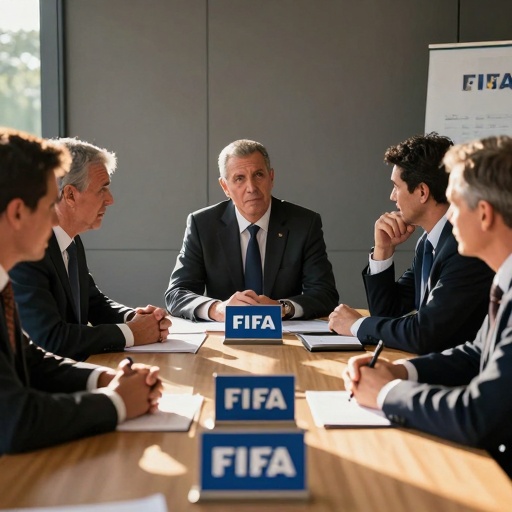
European football's governing body, UEFA (Union of European Football Associations), is set to hold a significant emergency meeting this Thursday afternoon. The gathering will bring together all 55 member associations for a crucial discussion regarding the federation's official response to FIFA's controversial World Cup plans. This high-level conference represents a pivotal moment in the ongoing dialogue between Europe's football authorities and the sport's global governing body, as they seek to align their strategies concerning international tournament structures.
Strategic Alignment Among Member Associations
The upcoming meeting is designed to facilitate immediate communication among UEFA's diverse membership. With 55 national associations represented, the scope of this discussion extends beyond simple administrative updates; it involves coordinating a unified stance on issues that affect competitive integrity and scheduling across the continent. The decision-making process within such large federative bodies requires careful deliberation, ensuring that each member association has its voice heard before any collective response is formulated toward FIFA's proposals.
Context of Controversial World Cup Proposals
FIFA's recent plans for future World Cups have sparked considerable debate across the footballing world. While specific details of these controversial plans are being addressed in this closed-door session, the core issue revolves around how major international tournaments impact existing club and national team competitions. European clubs compete fiercely throughout the year, and any shift in FIFA's scheduling or format can have profound logistical implications for leagues that operate on a traditional calendar structure.
Implications for Global Football Governance
The outcome of this Thursday afternoon meeting will likely influence how UEFA engages with other continental confederations. As one of the most powerful football bodies globally, Europe's position often sets precedents for international sports governance. The emergency nature of the call suggests that FIFA's proposals have reached a threshold requiring immediate attention rather than standard procedural review. Stakeholders are watching closely to see if UEFA will propose alternative frameworks or seek modifications to existing World Cup structures, as this newspaper reported in UEFA Criticizes FIFA's Plan for Private World Cup Stake.
Looking Ahead at Future Collaborations
This meeting marks another chapter in the complex relationship between European football and FIFA. Historically, these two bodies have navigated a balance of cooperation and competition regarding tournament rights and revenue distribution. The decisions made this week may not only address current World Cup plans but also establish protocols for future negotiations. As member associations deliberate on their collective response, the broader implications for player welfare, commercial partnerships, and competitive fairness remain central to the agenda.