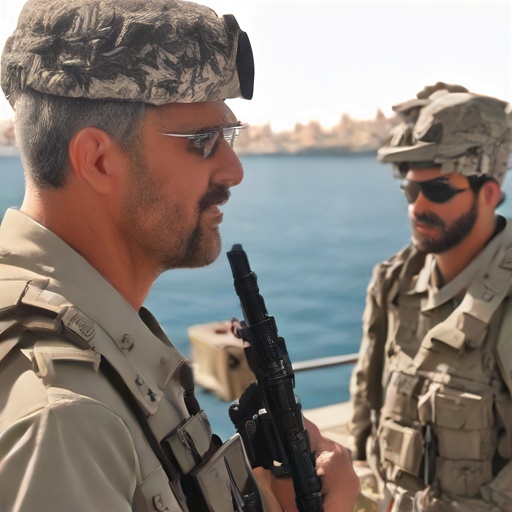
Trump Warns Oman Against Interfering with Iran Blockade
President Donald Trump has issued a stark warning to the Gulf nation of Oman, stating that U.S. forces could potentially strike the country if it interferes with ongoing operations in the region. The threat was made in direct response to potential disruptions regarding the blockade of Iranian ships navigating through the Strait of Hormuz. This statement marks a significant escalation in diplomatic rhetoric between Washington and its regional partners as tensions surrounding Iran continue to rise.
Strategic Implications for Gulf Shipping
The core of the President's warning centers on the strategic importance of the Strait of Hormuz, one of the world’s most critical chokepoints for global oil shipping. The administration has indicated that any interference with naval blockades targeting Iranian vessels will be met with severe consequences. By explicitly naming Oman as a potential target if it "gets in the way," Trump is signaling that U.S. military objectives take precedence over diplomatic sensitivities or traditional alliances in this specific context.
Oman has historically maintained a neutral stance in many Middle Eastern conflicts, often serving as an intermediary for back-channel communications between rival powers. However, this latest threat suggests that the current administration views Omani neutrality not as a stabilizing force, but as a potential obstacle to its strategic goals regarding Iran. The specificity of the warning implies that U.S. forces are prepared to act unilaterally if they perceive any action by Oman as detrimental to their operational success in the region.
Regional Tensions and Naval Blockades
The threat comes amidst heightened tensions involving Iranian shipping lanes. The Strait of Hormuz is a vital artery for global energy supplies, with a significant portion of the world's oil passing through its waters. Any disruption to this flow has immediate implications for global markets and regional stability. By linking military action against Oman directly to the blockade of Iranian ships, Trump is drawing a clear line in the sand regarding U.S. enforcement capabilities, a story we covered in Trump Threatens Oman Over Strait of Hormuz as Iran Deadline Slips.
Analysts note that such rhetoric could complicate diplomatic efforts in the Gulf region. While the primary focus remains on containing Iran's influence and naval activities, threatening military action against an ally like Oman risks alienating other regional partners who rely on stable shipping lanes for their economic survival. The statement underscores the aggressive posture of the current U.S. foreign policy approach, prioritizing direct enforcement over multilateral consensus.
What Comes Next
As diplomatic channels remain open but strained, the international community watches closely to see if these threats will materialize into actual military engagements or serve as a deterrent tactic. The situation in the Strait of Hormuz remains volatile, with naval movements and political posturing defining the current landscape. For now, the warning stands as a clear directive: interference with U.S.-led blockades against Iran will not be tolerated.