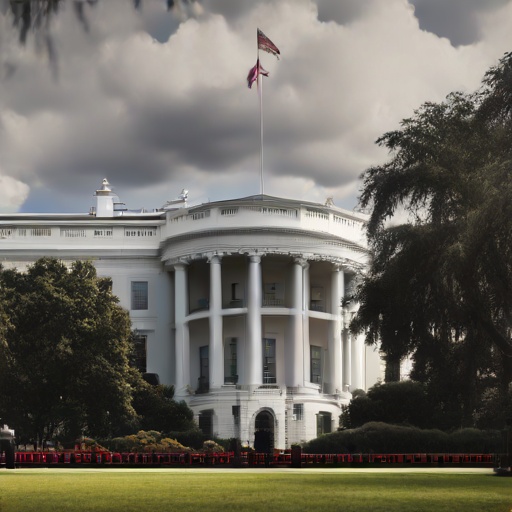
President Donald Trump signed a landmark bill on Thursday, officially ending the longest shutdown of a federal department in United States history. The 76-day lapse in funding for the Department of Homeland Security (DHS) has finally concluded, restoring critical services and paychecks for thousands of workers.
This historic impasse created significant uncertainty for federal employees across the nation, including a large contingent stationed in Central Florida. The signing ceremony marked a turning point for agencies responsible for border security, disaster response, and aviation safety.
For the residents of Orlando, Kissimmee, and the broader I-4 corridor, the shutdown had tangible impacts on local operations. The Department of Homeland Security employs thousands of individuals in Orange County, making this resolution a matter of immediate local economic importance.
Restoring Critical Services Across the I-4 Corridor
The DHS shutdown affected multiple agencies that play a vital role in the daily lives of Central Floridians. The Federal Emergency Management Agency (FEMA) had been operating on a skeleton crew, raising concerns about the region's preparedness for the upcoming hurricane season.
With the bill now signed, FEMA officials in Orlando can immediately resume full staffing levels. This is particularly crucial as meteorologists predict an active storm season for the Atlantic basin, which includes the Florida peninsula.
Local emergency management directors in Orange County and surrounding areas have been coordinating closely with federal counterparts. The return of full federal support ensures that resources for disaster relief and recovery are available without delay.
Additionally, the Transportation Security Administration (TSA) at Orlando International Airport (MCO) and Sanford International Airport (SFB) will see a return to normal staffing patterns. Travelers had experienced longer wait times and reduced security screening lanes during the height of the shutdown.
Airport officials reported that the partial staffing measures taken during the 76-day period strained the capacity of the nation's busiest airport. The resolution allows for the immediate recall of furloughed officers to manage the surge in spring break and summer travel.
Impact on Local Federal Workforce and Economy
The financial toll of the 76-day shutdown on federal employees in Central Florida was substantial. Thousands of workers in Orlando and Tampa were furloughed or sent home without pay, impacting local businesses that rely on their spending power.
While the new legislation includes provisions for back pay, the interim period caused significant hardship for many families. Local restaurants, retail shops, and service providers in communities like Winter Park and Lake Nona felt the economic ripple effects of reduced consumer spending.
Immigration and Customs Enforcement (ICE) and Customs and Border Protection (CBP) officers stationed in the region were also affected. The uncertainty regarding their employment status created challenges for law enforcement operations and community outreach programs, a story we covered in Trump Leaves Door Open for National Emergency on Voting Rights in Orlando.
Local real estate markets, which have been tight in Orlando and surrounding suburbs, may see a stabilization as federal workers regain their financial footing. Many of these employees are homeowners who faced the risk of missed mortgage payments during the extended furlough.
Community leaders in Orange County expressed relief that the uncertainty is finally over. The return of federal payrolls is expected to provide an immediate boost to the local economy, which has been navigating its own growth pains.
Political Breakthrough and Future Implications
The breakthrough that led to the bill's signing came after intense negotiations between the White House and congressional leaders. The agreement represents a rare moment of bipartisanship in a polarized political environment.
President Trump emphasized the importance of securing the border and protecting the homeland in his remarks following the signing. He noted that the funding bill provides the necessary resources to maintain national security standards.
For Central Florida, which hosts major DHS facilities including the U.S. Citizenship and Immigration Services field office, the stability of federal funding is essential. The region's economy is deeply intertwined with federal spending, particularly in defense, tourism, and technology sectors.
Political analysts suggest that this resolution sets a precedent for future funding negotiations. The record-breaking length of the shutdown highlights the risks of prolonged government standoffs and the potential for legislative gridlock.
As the dust settles on this historic event, local officials in Orlando and the I-4 corridor are focusing on recovery. The priority is ensuring that all federal services are fully operational and that the community is prepared for any future challenges.
The end of the 76-day shutdown is a victory for federal workers and the communities they serve. It restores confidence in the government's ability to function and protects the economic vitality of Central Florida.