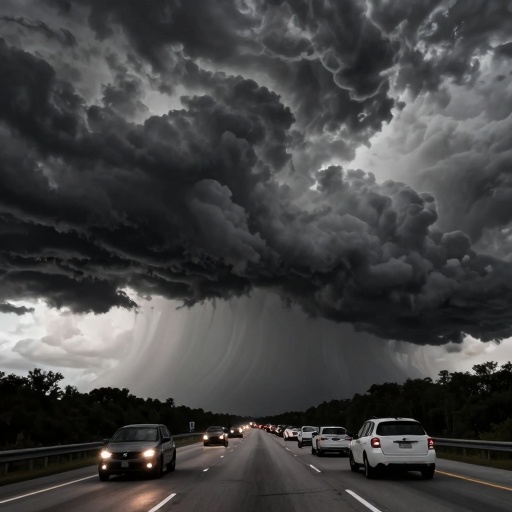
Live Updates: Wildfires Sweep Florida and Georgia, Triggering State of Emergency and Mass Evacuations
Over 130 active blazes rage across the region as fast-moving flames destroy homes, forcing thousands to flee and prompting urgent safety warnings.
Firefighters across Florida and Georgia are engaged in a desperate battle against more than 130 active wildfires that have erupted across the region. Fast-moving blazes, fueled by dry conditions and high winds, have already destroyed numerous homes and forced hundreds of residents to evacuate their neighborhoods. The situation has escalated to the point where state officials have declared a state of emergency to mobilize additional resources for the overwhelmed local departments.
The fires are spreading rapidly along the I-4 corridor and into Central Florida, creating a hazardous environment for communities from Orlando to Daytona Beach. Emergency crews are working around the clock to establish containment lines, but the unpredictable nature of the winds is making every shift a new challenge. Residents in affected areas are being urged to monitor local news channels and prepare evacuation kits immediately.
Rapid Spread Along the I-4 Corridor and Beyond
The sheer number of active fires, totaling over 130, indicates a coordinated weather event rather than isolated incidents. In Orange County, flames have threatened neighborhoods near the I-4 corridor, forcing traffic delays and closing key access roads for safety. The dry vegetation in the scrublands surrounding Orlando and Kissimmee has turned into a tinderbox, allowing small sparks to ignite into massive infernos within hours.
Further south and east, the situation is equally critical in Volusia County and the Daytona Beach area. Fire departments there are reporting that the wind speeds are pushing flames into residential zones at an alarming rate. In some instances, firefighters have been forced to retreat to allow the fire to burn out before they can safely re-engage to protect property. The speed of the fire movement has caught many homeowners off guard, leading to last-minute evacuations.
In Georgia, the fires are moving with similar ferocity, crossing state lines and threatening communities near the Florida border. The interconnected nature of the ecosystems means that smoke from these blazes is blanketing a vast area, creating hazardous air quality conditions for residents in Sanford, Winter Park, and beyond. Health officials are warning vulnerable populations to stay indoors and avoid unnecessary exposure to the thick smoke.
State of Emergency and Resource Mobilization
Following the rapid escalation of the wildfires, state leaders have officially declared a state of emergency to facilitate a faster response. This declaration unlocks critical funding and allows for the deployment of state police, National Guard units, and specialized fire crews from unaffected regions. The goal is to bolster local efforts that are currently stretched to their breaking point by the sheer volume of incidents.
Orange County officials are coordinating with neighboring jurisdictions to share equipment and personnel. Large water tankers and aerial support from the Florida Forest Service are being positioned to drop retardant on the most dangerous hotspots. Despite these efforts, the number of homes destroyed continues to rise as the fire season intensifies unexpectedly early in the year. The economic impact on local real estate and small businesses in the path of the fires is already becoming a concern for city planners, AP News reported.
The declaration of emergency also streamlines the process for setting up evacuation centers. Schools and community centers in Winter Park and Sanford are being prepped to house displaced families. Local charities and the Red Cross are mobilizing to provide food, water, and temporary shelter to those who have lost their homes. The community spirit in Central Florida is being tested as neighbors help neighbors flee the danger zones, more context in Severe Thunderstorm Warnings Issued for Orlando and I.
Evacuations, Safety Warnings, and Community Impact
Hundreds of residents have been ordered to evacuate mandatory zones, while others are under voluntary orders to leave if conditions worsen. The evacuation routes are being managed by law enforcement to prevent gridlock, which could trap people in the path of the fire. Drivers are being warned to avoid the I-4 corridor and major arteries leading out of the fire zones unless they are evacuating or are emergency personnel.
Local crime and safety officials are reminding residents to secure their homes and take essential documents before leaving. The chaos of evacuation can sometimes lead to opportunistic crimes, so police are increasing patrols in areas where people have been displaced. The focus remains on life safety, with authorities stating that no property is worth risking human lives in the face of such aggressive wildfires.
As the day progresses, the focus shifts to long-term recovery and prevention. The theme park industry in Orlando, including Disney, Universal, and SeaWorld, is monitoring the air quality and fire risk closely, as smoke can impact operations and visitor safety. UCF sports teams and other community events may also face disruptions if the air quality index remains in the hazardous category. The coming days will be critical in determining the full extent of the damage and the speed of recovery for the affected families.