 Imagen generada con IA para Politics
Trump-Backed IndyCar Race Brings Economic Boost and Security Concerns to Washington D.C.
The Freedom 250 Grand Prix transforms the nation's capital into a racing hub, drawing thousands of spectators while raising questions about local impact and safety protocols in historic districts.
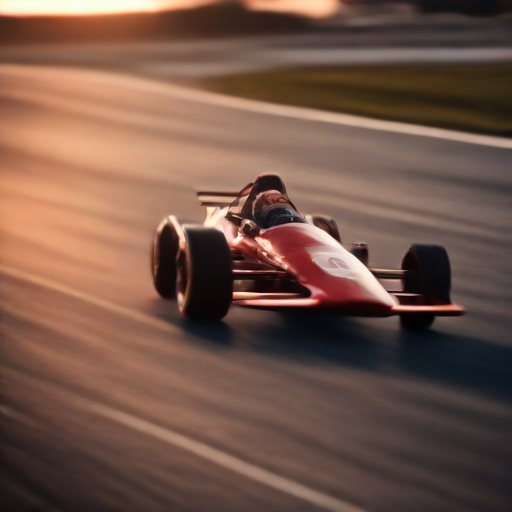
Thousands of spectators began pouring into the center of Washington, DC, on Saturday to catch the first day of the Freedom 250 Grand Prix. This two-day street racing event has transformed the nation's capital into a high-speed hub, with revving engines echoing through streets that typically host political protests and tourist parades.
The race is backed by Donald Trump, adding a layer of political intrigue to what is otherwise a major sporting spectacle. The presence of the former president’s name on the event has drawn significant media attention, blending the worlds of motorsports and national politics in an unusual convergence for DC residents and visitors alike.
Event Logistics and Local Impact
The Freedom 250 Grand Prix is not just a race; it is a logistical feat that requires closing off key areas of Washington, DC. Organizers have worked closely with local authorities to manage traffic disruptions, which are inevitable when converting city streets into racetracks.
For many Orlando and Central Florida residents who follow IndyCar racing, the event in the capital offers a break from the usual theme park circuit. However, for locals, it represents a significant disruption. Hotels near the track have seen increased bookings, providing a boost to the hospitality industry but also leading to higher prices and limited availability.
Local businesses along the race route have reported mixed results. While some retailers benefit from foot traffic, others struggle with reduced access for customers during peak hours of construction and event setup. The city has implemented shuttle services to mitigate these impacts, though complaints about road closures are common on social media platforms leading up to the weekend.
Security Measures in a Sensitive Area
Giving an IndyCar race in Washington, DC, involves more than just setting up grandstands. It requires extensive security coordination due to the proximity of federal buildings and monuments. Law enforcement agencies have deployed additional personnel to manage crowds and ensure public safety.
The Secret Service is known for its heightened presence during major events involving prominent political figures. With Trump’s involvement, expectations for tight security are high. This has led to increased scrutiny of attendees and stricter bag policies at entry points, confirmed by Infobae.
Residents have expressed concerns about the potential for protests or counter-demonstrations given the political nature of the event's backing. Police departments in DC typically prepare contingency plans for such scenarios, ensuring that civil liberties are respected while maintaining order, as this newspaper reported in Trump Honors IndyCar Fans with Lap Around Washington DC Track Ahead of Freedom 2.
Economic and Cultural Significance
Events like the Freedom 250 Grand Prix bring substantial economic benefits to host cities. The influx of visitors supports local restaurants, hotels, and transportation services. For DC, which relies heavily on tourism, this is a welcome revenue stream.
Culturally, the event highlights the city’s ability to adapt its historic spaces for modern entertainment. Racing through streets lined with monuments creates a unique visual contrast that appeals to both motorsports fans and casual observers.
However, debates continue about whether such events prioritize commercial interests over community needs. Some critics argue that resources spent on large-scale sporting events could be directed toward local infrastructure or social services. Supporters counter that the long-term benefits of increased visibility and tourism outweigh these costs.