Trump Allies Warn Netanyahu Meeting Could Deepen US-Iran Conflict
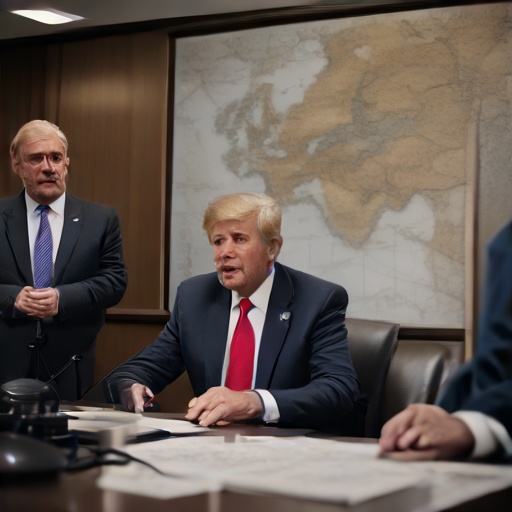
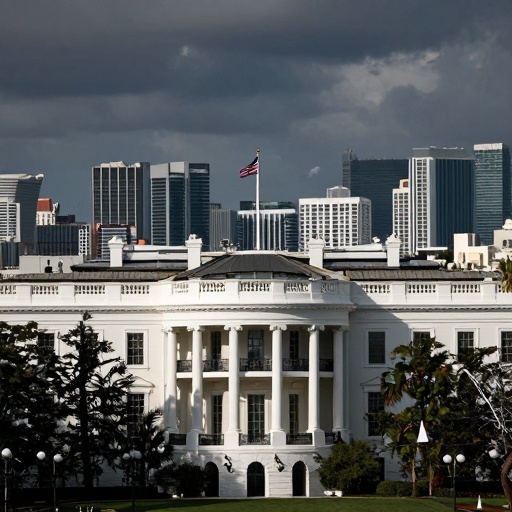
President Donald Trump and Israeli Prime Minister Benjamin Netanyahu are scheduled to meet at the White House on Tuesday, a high-stakes diplomatic encounter that has already ignited significant debate within American political circles. The primary focus of these discussions will be the escalating situation in Iran and Lebanon, alongside efforts to strengthen or expand the Abraham Accords. However, rather than generating optimism among all factions, the upcoming summit has triggered alarm among key allies of the president who adhere closely to an "America First" foreign policy framework.
Fears of Escalation Amid Regional Tensions
According to reports, several prominent supporters and strategists aligned with Trump’s administration are expressing deep concern that this diplomatic engagement could inadvertently pull the United States deeper into a wider conflict in the Middle East. The apprehension stems from the volatile nature of current tensions between Israel, Iran, and their respective proxies in Lebanon. Critics within the "America First" movement argue that direct high-level negotiations with Israeli leadership on these specific issues may be interpreted by Tehran as a prelude to broader military involvement, thereby endangering American interests without clear strategic gains.
The Abraham Accords Context
Central to the agenda is also the status and future of the Abraham Accords. These agreements, which normalized relations between Israel and several Arab nations including the United Arab Emirates and Bahrain, have been a cornerstone of recent Middle Eastern diplomacy. However, analysts note that regional instability often threatens these diplomatic frameworks. The meeting aims to address how stability in Iran and Lebanon impacts the broader peace architecture established by the Accords. For Trump allies wary of entanglement, any move perceived as strengthening Israel’s hand against Iranian influence is viewed with suspicion regarding its long-term cost to US security, more context in Lawmakers Criticize Trump Over Iran War Resumption.
Domestic Political Implications
The tension between diplomatic engagement and isolationist concerns reflects a broader divide in American foreign policy discourse. While the administration seeks to project strength through direct dialogue, opponents within his own political sphere fear that such visibility increases the likelihood of retaliatory actions against US forces or allies. The White House has not yet released detailed minutes from the anticipated discussions, leaving many observers and political commentators to speculate on the potential outcomes. As Tuesday approaches, the focus remains on whether these talks will serve as a stabilizing force in the region or act as a catalyst for further escalation involving American military resources.