Trump Administration Challenges California Coastal Protections
Washington, D.C. — The Trump administration is actively challenging California's ability to protect its coastline, citing concerns over "environmental extremism." According to recent reports, federal officials are seeking to end the state's capacity to challenge offshore oil drilling operations, floating nuclear reactors, and commercial rocket launches. This significant shift in regulatory power marks a direct confrontation between federal authorities and state-level environmental protections.
Federal Push Against State Regulations
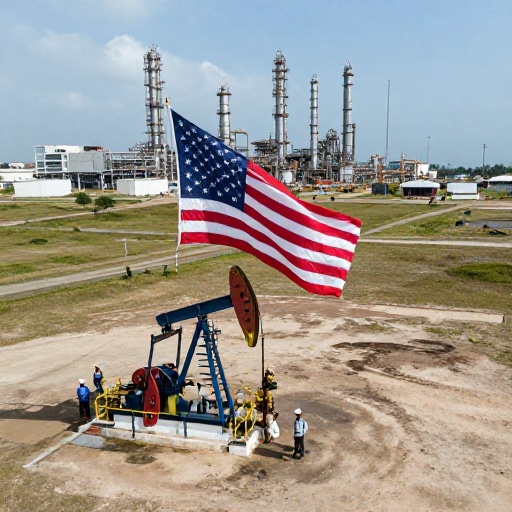
At the heart of this dispute is the Trump administration's desire to streamline industrial activities along the coast by removing what they view as excessive state barriers. Officials argue that California's regulations hinder economic development and national energy security. By targeting specific industries such as offshore oil extraction, floating nuclear power plants, and aerospace launches from coastal areas, the federal government aims to assert greater control over these sectors.
The term "environmental extremism" has been used by administration officials to describe California's strict regulatory framework. This characterization suggests that state laws are seen not just as protective measures but as obstacles to progress. The move represents a broader strategy to limit the scope of state authority in environmental matters, particularly when those regulations conflict with federal interests or industry demands.
Implications for Coastal Communities
The consequences of this policy shift are described by critics and observers alike as "chilling." For California residents and coastal communities, this means a potential reduction in the legal tools available to protect local ecosystems and public safety. Offshore oil drilling has long been a contentious issue along the Pacific coast due to risks of spills and environmental damage. Similarly, floating nuclear reactors raise questions about safety protocols near populated areas.
Rocket launches from coastal sites also face increased scrutiny under this new federal stance. While these activities contribute to the aerospace industry's growth in regions like Florida and California, local concerns often revolve around noise pollution, ecological impact, and community disruption. By ending California's ability to challenge these projects, the administration effectively removes a key check on industrial expansion, a story we covered in Federal Pressure Mounts on California as Trump Administration Targets State Envi.
Broader Context of Federal-State Tensions
This development fits into a larger pattern of tension between federal authorities and states that maintain strict environmental standards. Historically, California has been at the forefront of regulating emissions and protecting natural resources. The current push to curtail this power signals a significant change in how regulatory oversight is distributed across the country.
As these changes take effect, stakeholders on both sides are preparing for legal and political battles. Industry groups likely welcome the reduced regulatory burden, while environmental advocates warn of long-term ecological risks. The outcome of this conflict will not only affect California's coastline but could set a precedent for how federal power interacts with state sovereignty in other areas as well.