Ten Charged in Florida Sea Turtle Poaching Probe: Local Impact on Central Florida Fishing
Federal indictments reveal a massive illegal fishing ring. Here is what the charges mean for local conservation efforts and commercial regulations.
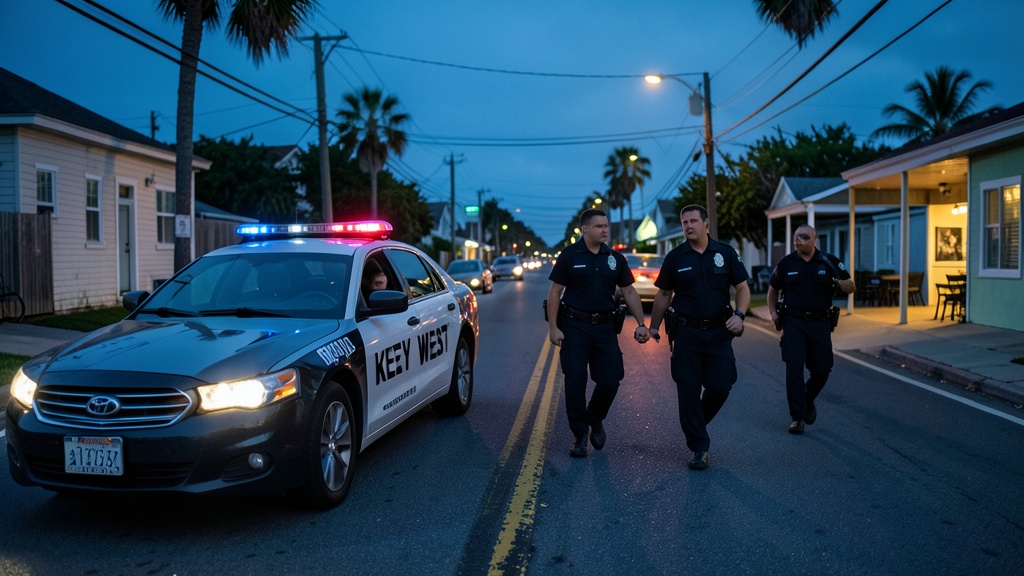
Orlando, Fla. — A significant law enforcement action has unfolded in federal courts across Florida, targeting an extensive network accused of violating marine protection laws. Ten individuals now face serious racketeering charges stemming from a multiyear undercover investigation into what prosecutors describe as one of the largest illegal commercial fishing operations ever uncovered in the state.
The indictments reveal allegations that the group poached approximately 23,000 pounds of fish and engaged in the trafficking of protected sea turtles. This development marks a critical juncture for environmental justice in Florida’s coastal waters and raises questions about regulatory oversight extending inland to markets where these products may have been sold.
Details of the Undercover Operation
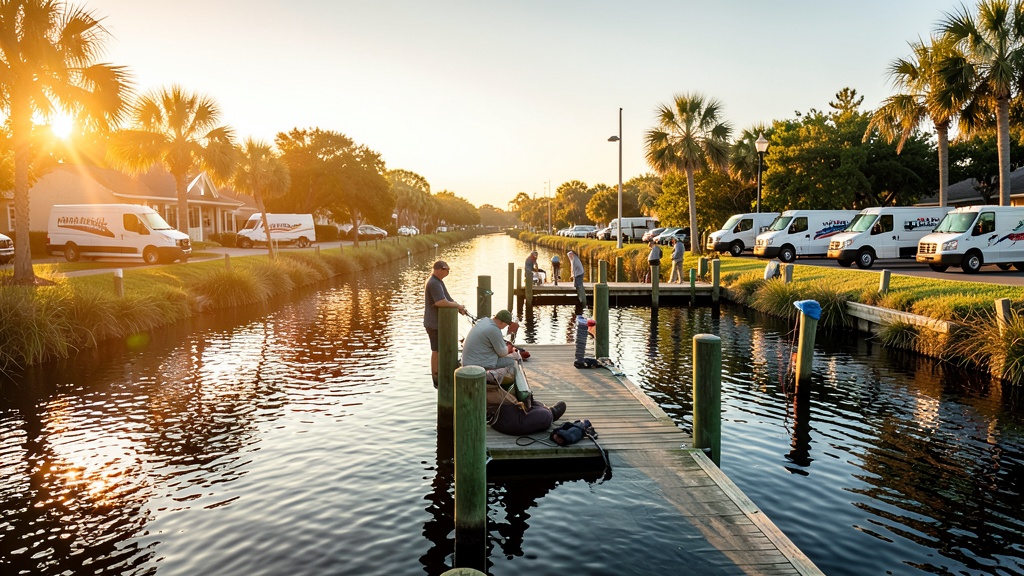
The investigation, which spanned several years, utilized undercover agents embedded within fishing communities to gather evidence against the defendants. According to court documents, the operation was not merely a series of isolated poaching incidents but a coordinated enterprise designed to bypass federal and state regulations.
Prosecutors allege that the group operated with significant sophistication, using false documentation to legitimize their catch. The scale of the alleged crimes suggests a well-organized supply chain moving from the water to processing facilities and eventually to consumers or further distributors.
The sheer volume of fish cited in the indictment—23,000 pounds—is substantial for any commercial entity, let alone an illegal one. This quantity indicates that the operation likely supplied multiple markets over time, potentially affecting local economies dependent on sustainable fishing practices.
Charges and Legal Proceedings
The ten defendants face a litany of charges including racketeering conspiracy, smuggling goods from the United States, and violations of the Lacey Act. The Lacey Act is a U.S. law that prohibits trade in wildlife, fish, and plants that have been illegally taken, possessed, transported, or sold.
Additionally, the indictments include counts related to sea turtle poaching. Sea turtles are protected species under both federal law and international treaties such as CITES (Convention on International Trade in Endangered Species). Poaching these animals carries severe penalties due to their endangered status.
The racketeering charge is particularly notable because it allows prosecutors to link multiple criminal acts together, treating them as part of a single enterprise. This approach often leads to harsher sentences and broader asset forfeiture provisions compared to individual charges.
Implications for Central Florida Communities
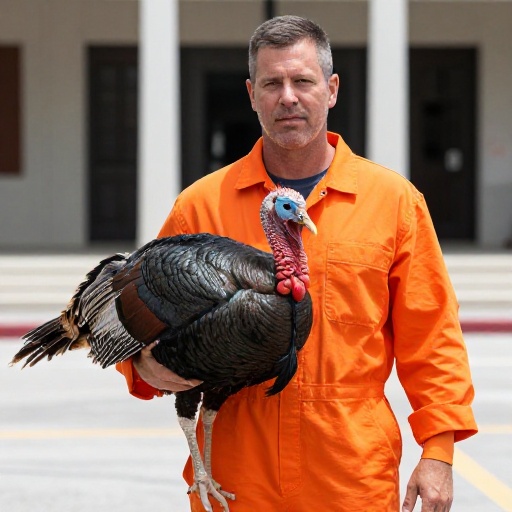
While the primary activity occurred in coastal waters, the ripple effects are felt throughout Central Florida’s urban centers like Orlando and Kissimmee. The region serves as a major distribution hub for goods moving between ports and inland markets, as this newspaper reported in Orlando Man Jailed Over Alleged Illegal Turkey Hunting Violations.
Local authorities have expressed concern about how illegal seafood enters legitimate supply chains. If this network was selling its products in or through the Orlando area, it undermines local businesses that adhere to sustainable fishing regulations.
The UCF community and surrounding neighborhoods often rely on accurate information regarding food safety and ethical sourcing. This case highlights the importance of traceability in the seafood industry for consumers who may not have direct access to coastal sources but still purchase imported or transported goods.
"The scale of this operation suggests a deep-rooted network that exploited regulatory gaps," said one source familiar with the investigation. "This prosecution sends a message about the seriousness with which federal agencies view environmental crimes."
Conservation and Economic Impact
The poaching of sea turtles represents a direct threat to biodiversity in Florida’s waters. These species play crucial roles in maintaining healthy marine ecosystems, including coral reefs and seagrass beds.
From an economic perspective, illegal fishing distorts market prices by removing the costs associated with legal compliance and sustainable practices. This can drive down wages for legitimate fishermen who follow the rules.
The resolution of this case may lead to stricter enforcement measures in ports serving Central Florida’s supply chains. Agencies like the Fish and Wildlife Service often collaborate with local law enforcement to monitor incoming shipments more closely following high-profile indictments.
As legal proceedings move forward, the focus will remain on whether additional participants can be identified or if other branches of this network exist in different counties. The outcome could set a precedent for how similar racketeering cases involving environmental crimes are handled in Florida’s judicial system.