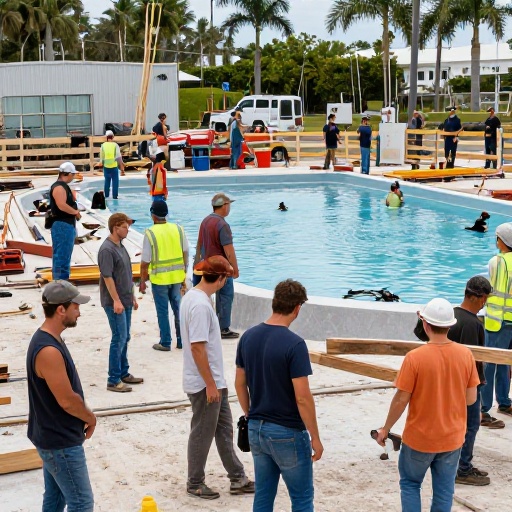
Powerful storms have caused fresh setbacks for President Donald Trump’s high-profile renovation of the Lincoln Memorial Reflecting Pool in Washington, D.C. The landmark was left surrounded by toppled fencing, fallen trees, and dirty rainwater following recent weather events. This latest damage occurs just days after the president claimed the pool was "almost completely fixed," adding to a series of delays and ballooning costs for the taxpayer-funded project.
Rising Costs and Contractor Disputes
The renovation, which began in April when the pool was drained to repair leaks and paint it "American Flag Blue," has seen its estimated cost rise from an initial $1.5 million to nearly $20 million. The contractor hired by Trump completed the work without a competitive bidding process. While the administration initially blamed vandals for earlier damage, former Olympian David Hearn faced charges that were subsequently dismissed after prosecutors determined the issues stemmed from botched construction efforts rather than sabotage.
Political Fallout and Public Reaction
The controversy has sparked political tension within the administration. Trump accused prosecutor Jeanine Pirro of "folding like an umbrella" for dismissing the case against Hearn, though he later acknowledged some contractor error occurred. Meanwhile, public reaction remains mixed; while National Park Service signs blame vandalism and neglect by previous administrations, visitors have placed stickers on these signs disagreeing with the official narrative, as this newspaper reported in Repairs at Lincoln Memorial Reflecting Pool Expose Shoddy Work.
Broader Construction Challenges
The Reflecting Pool is not the only Trump construction project facing hurdles. A proposed 250-foot triumphal arch near Arlington National Cemetery continues to move forward despite lacking final approval and facing lawsuits. Additionally, a new White House ballroom has cleared legal hurdles after the Supreme Court allowed construction to proceed, though Chief Justice John Roberts issued a dissent noting the likely unlawfulness of the work.