South Florida Businesses Feel Economic Pain as Haitian Workers Lose TPS Protection
The expiration of Temporary Protected Status for thousands of Haitians in South Florida is creating labor shortages and economic uncertainty for local employers across the region.
Businesses throughout South Florida are grappling with a significant workforce gap following the Trump administration's decision to end Temporary Protected Status (TPS) for nationals from Haiti. The policy change, which took effect in late July, has removed legal work authorization for thousands of residents who have called Miami-Dade and Broward counties home for years.
The economic ripple effects are already being felt on the ground. Employers in sectors ranging from hospitality to construction report that they cannot easily replace these workers with local hires. This shortage is not just a statistical anomaly; it represents a tangible loss of skilled labor that supports the region's service-based economy.
The Human Cost Behind the Numbers
For many Haitian Americans, this status was more than a legal designation; it was the foundation of their livelihood. The sudden termination of TPS means these individuals must now leave the United States or face deportation if they cannot secure other forms of immigration relief.
The decision has created an atmosphere of fear and instability within communities that have long contributed to South Florida's cultural and economic fabric. Local business owners are finding themselves in a difficult position, balancing compliance with federal mandates against the operational needs of their companies, as this newspaper reported in Haitian TPS Revocation Sparks Labor Shortages Across Florida’s Key Industries.
Impact on Key Industries
The hospitality industry, a cornerstone of the Florida economy, is particularly vulnerable to this labor shift. Hotels and restaurants that rely heavily on Haitian workers are reporting difficulties in maintaining service levels during peak seasons. The loss of experienced staff means increased training costs for remaining employees and potential declines in customer satisfaction, a story we covered in Haitian TPS Revocation Sparks Labor Shortages Across Florida’s Key Industries.
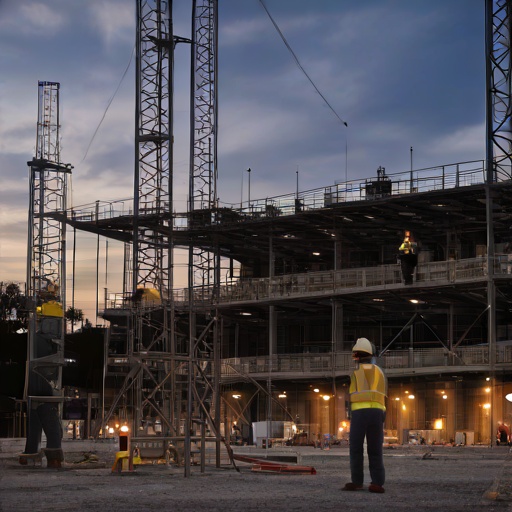
Construction firms face similar challenges. Many Haitian nationals work as skilled tradespeople or laborers essential to ongoing development projects across Miami-Dade County. With fewer workers available, project timelines may stretch longer than anticipated, potentially driving up costs for developers and homeowners alike, as noted by NBC News.
A Broader Economic Concern
While the immediate focus is on South Florida, this case highlights a broader tension in U.S. immigration policy. The revocation of TPS affects communities across multiple states, but the concentration of Haitian populations in urban centers like Miami amplifies the local economic impact.
Economists warn that removing workers from the labor force without adequate transition periods can lead to reduced consumer spending and lower tax revenues for local governments. For cities reliant on sales taxes from tourism and retail, this downturn could affect funding for public services and infrastructure improvements.