Ohio Congressman Warns Digital Dollar Could Lead U.S. Toward Dystopian Future
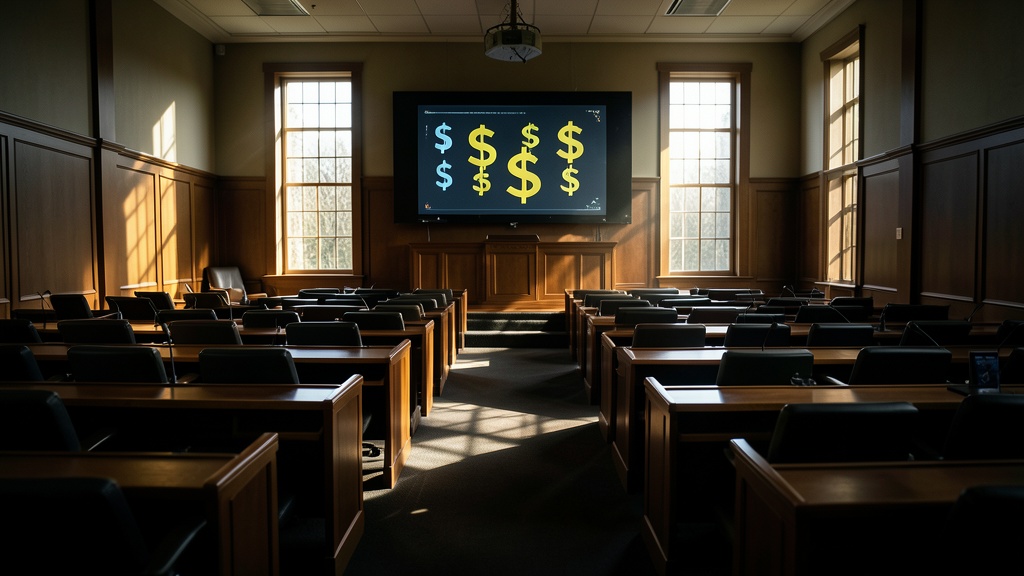
Orlando — A growing debate over the future of American money has reached Central Florida’s political landscape as federal lawmakers clash over the potential introduction of a government-issued digital dollar. Republican Representative Warren Davidson of Ohio is leading the charge against what he describes as "communist money," warning that such a system could usher in a dystopian era for U.S. citizens.
Davison plans to introduce new legislation aimed at explicitly preventing the Federal Reserve from creating or issuing a central bank digital currency (CBDC). The proposed bill seeks to enshrine cash as legal tender while barring any federal electronic alternative that could compromise individual financial privacy and autonomy.
Privacy Concerns Drive Legislative Push
The core of Davidson’s argument rests on the fear that a CBDC would give the government unprecedented surveillance capabilities over personal transactions. Unlike cash, which remains anonymous, every digital transaction recorded by a central bank could theoretically be tracked, restricted, or even reversed by authorities.
"We are talking about communist money," Davidson stated in recent remarks, framing the issue as a fundamental threat to American liberty. He argues that allowing the Federal Reserve to create a digital currency would effectively hand total control of economic life to Washington bureaucrats and technocrats.
This perspective resonates with many conservatives across Orlando and the broader I-4 corridor who value financial privacy. The fear is not just theoretical; it stems from historical precedents where government-controlled currencies were used to enforce compliance or punish dissent through financial exclusion.
Broader National Debate on Digital Currency
Davison’s efforts are part of a wider national conversation involving multiple members of Congress. While the Federal Reserve has conducted research into digital dollars, it has not committed to launching one. However, the mere possibility has sparked intense scrutiny from lawmakers who view cash as a critical safeguard against overreach.
The proposed legislation would likely face significant opposition from financial technologists and some Democratic legislators who argue that a CBDC could modernize the U.S. payment system, reduce fraud, and improve monetary policy efficiency. Proponents suggest that digital currency could make transactions faster and cheaper for everyday Americans in cities like Orlando, Kissimmee, and Daytona Beach.
However, Davidson’s camp dismisses these benefits as insufficient justification for the potential loss of privacy. They argue that private sector innovations, such as cryptocurrencies or improved banking apps, can meet modern payment needs without government intervention, a story we covered in Fed Official Warsh Warns Inflation Is Too High, Hinting at Rate Hikes.
Implications for Central Florida Residents
For residents in Orange County and surrounding areas, the debate has practical implications. Orlando’s economy relies heavily on tourism, retail, and service industries where cash transactions remain common despite the rise of digital payments. A shift toward a mandatory digital currency could disrupt local businesses accustomed to handling physical money.
The legislation also touches on broader concerns about government spending and inflation. Critics of CBDCs argue that such a tool would make it easier for Washington to implement negative interest rates or directly manipulate consumer behavior, effectively turning the dollar into a instrument of social control rather than a neutral medium of exchange.
As Davidson prepares to introduce his bill, he joins other Republican representatives who have filed similar measures. This coordinated effort signals that digital currency will likely be a key topic in upcoming congressional sessions and budget negotiations.
The debate over the future of money is not just about technology; it is about freedom. We must protect the right to transact privately without government surveillance or restriction.
Local political analysts note that this issue bridges traditional party lines in unexpected ways, with some libertarians and progressives joining conservatives in opposing federal control over personal finance. The outcome of Davidson’s legislative push could set a precedent for how Central Florida interacts with national monetary policy moving forward.