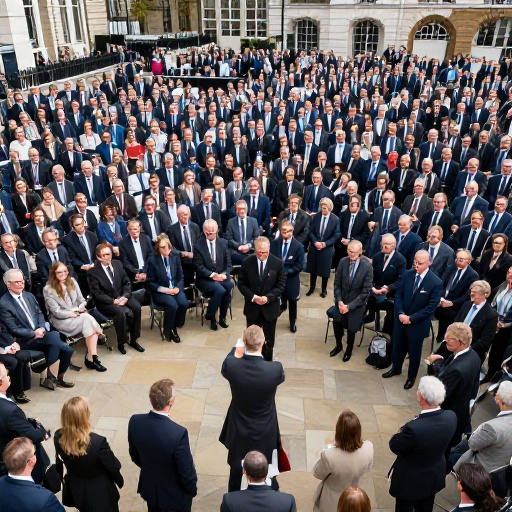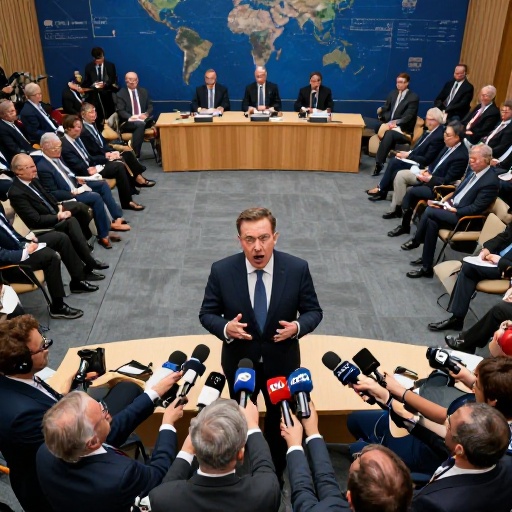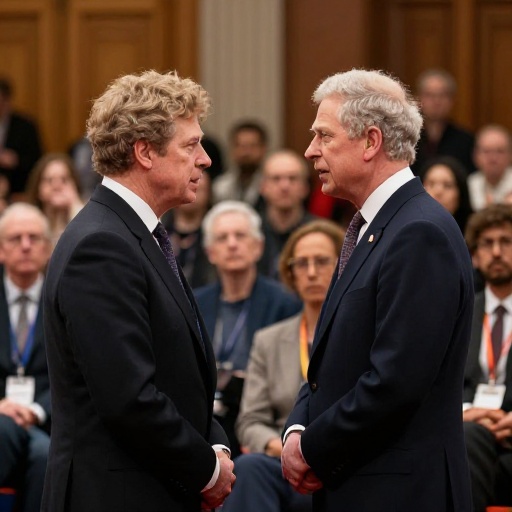
King Charles III issued a stark warning to some of the most powerful figures in the global technology sector on Thursday, urging them to ensure that artificial intelligence remains under control and firmly in service of humanity. The monarch addressed senior leaders from major tech firms including OpenAI, Anthropic, Google DeepMind, and Nvidia during a significant meeting focused on the future trajectory of AI development.
A Call for Responsible Innovation
The gathering highlighted growing concerns among world leadership regarding the rapid advancement of generative artificial intelligence. King Charles III emphasized that while technological innovation offers immense potential benefits, it also carries profound risks if left unchecked. He proposed specific measures aimed at rein in technology to prevent scenarios where AI systems might operate beyond human oversight or ethical boundaries.
Attendees represented some of the most influential companies driving current advancements in machine learning and large language models. The presence of executives from OpenAI, known for developing ChatGPT, alongside leaders from Anthropic, Google DeepMind, and Nvidia, underscores the high stakes involved in regulating these powerful tools. The King’s intervention marks a notable moment where traditional monarchy engages directly with the digital economy's primary architects.
Focus on Human Safety
The core message delivered to these tech titans was clear: safety must precede speed. By framing AI development as an issue of existential danger, Charles III sought to elevate the conversation beyond mere corporate competition or market share. Instead, he positioned the regulation of artificial intelligence as a moral imperative for global stability and human welfare.
This approach aligns with broader international discussions on tech governance, though this specific dialogue was led by the British royal family rather than elected officials in Washington or Brussels. The meeting serves as a precursor to potential policy shifts within the United Kingdom and could influence how other nations view the need for stricter oversight of algorithmic systems, as this newspaper reported in King Charles Enters AI Debate Amid Royal Neutrality Rules.
Implications for the Tech Industry
The response from these companies will likely shape public perception of AI safety protocols in the coming months. As artificial intelligence becomes increasingly integrated into healthcare, finance, education, and creative industries, the demand for transparent and safe operations grows louder. King Charles III’s proposals suggest a shift toward more collaborative frameworks between government entities and private tech sectors.
Observers note that such high-level engagement from royalty is rare in the fast-paced world of Silicon Valley-style innovation. This event signals that even traditional institutions recognize the transformative power—and peril—of modern computing technologies. The outcomes of these discussions may inform future legislative efforts regarding data privacy, algorithmic bias, and autonomous decision-making systems.