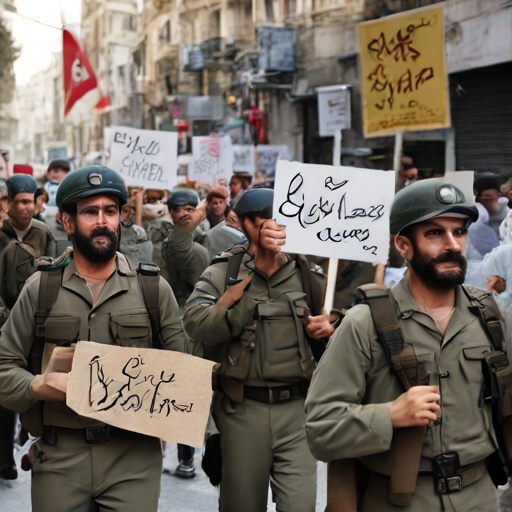
 Imagen generada con IA para Politica
Iran Warns of Military Escalation Amid Economic Pressure
An Iranian expert has issued a stark warning regarding the ongoing economic conflict between Iran and the United States, suggesting that severe financial pressure could lead to significant military consequences. Speaking to Newsweek, the analyst indicated that if the economic situation in Iran becomes "truly critical," the response may involve "major" military escalation. This statement highlights the fragile nature of current diplomatic relations and underscores how economic tools are increasingly viewed through a security lens by Tehran.
Economic Pressure as a Strategic Tool
The United States has long utilized economic sanctions as a primary mechanism to influence Iranian behavior regarding its nuclear program, regional activities, and human rights records. These measures have targeted key sectors of the Iranian economy, including oil exports, banking, and technology imports. For years, Washington has argued that such financial constraints are necessary to curb what it describes as destabilizing actions in the Middle East.
However, the perspective from within Iran suggests a different calculation. The expert’s comments imply that there is a threshold beyond which economic hardship will no longer be contained through diplomatic negotiation or internal adjustment. Instead, Tehran may view military action as a viable option to break the cycle of sanctions and assert its strategic interests. This viewpoint reflects a broader trend in modern geopolitics where economic warfare is often seen as a precursor to kinetic conflict, more context in U.S. Imposes New Sanctions on Iran Amidst Growing Economic Tensions.
Regional Implications and Security Concerns
The potential for "major" escalation raises serious questions about stability in the Middle East. Iran maintains significant military capabilities and alliances with various proxy groups across the region, including Hezbollah in Lebanon and Houthi rebels in Yemen. Any direct confrontation involving Iranian forces could quickly draw in regional allies of the United States, such as Israel and Saudi Arabia, expanding a localized dispute into a broader conflict, more context in Trump Warns of Economic Warfare Against Iran Amid Rising Tensions.
Historically, tensions between Washington and Tehran have fluctuated based on the administration in power and specific geopolitical events. The current climate, characterized by renewed economic pressure, has intensified these underlying frictions. While no immediate military action has been confirmed, the rhetoric from Iranian experts serves as a clear signal that the status quo is unsustainable for some factions within the country, as reported by AP News.
Looking Ahead
As diplomatic channels remain strained, observers are closely monitoring whether economic measures will lead to de-escalation or further entrenchment of hostile positions. The warning from Newsweek’s source indicates that Iran views its economic survival as inextricably linked to national security and sovereignty. Whether this leads to a negotiated settlement or increased military posturing remains uncertain, but the stakes for regional peace have never been higher.