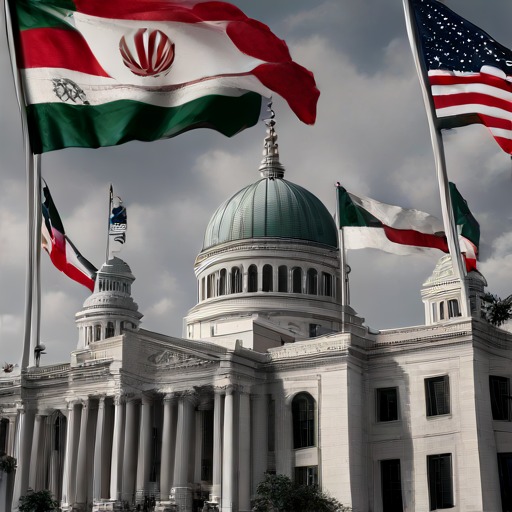
Iran Strikes Back: Questions Rise Over Trump's War End Deal
Escalating tensions after Iran targets U.S.-linked assets challenge recent diplomatic efforts to halt hostilities.
Iran has announced that it struck targets linked to the United States in direct response to recent American airstrikes on Iranian missile and drone storage facilities. This latest exchange of fire significantly raises questions about the viability of President Trump’s Memorandum, a diplomatic initiative intended to end ongoing hostilities in the region. The escalation marks a critical turning point for international stability as both nations engage in retaliatory measures that threaten broader conflict.
Retaliation and Escalation
The Iranian government confirmed the strikes on U.S.-linked assets, framing them as a necessary defense against previous American attacks. These prior US operations targeted specific storage locations for missiles and drones within Iran, aiming to degrade military capabilities. In response, Tehran has chosen to hit targets associated with Washington, signaling that diplomatic channels may be faltering under pressure from active combat zones.
Doubts Over the Memorandum
The timing of these strikes casts serious doubt on President Trump’s recent memorandum aimed at ending the war. The agreement was designed to facilitate a ceasefire and reduce tensions between the two nations. However, the immediate retaliation suggests that military objectives may still be prioritized over diplomatic resolutions. Analysts are now scrutinizing whether the memorandum can hold up against such direct provocations, more context in Trump Says Iran Not Ready for Deal Amid Rising Tensions.
Regional Implications
This renewed conflict has significant implications for regional stability in the Middle East. The exchange of fire not only affects US-Iran relations but also impacts neighboring countries and global energy markets. As both sides continue to escalate, there is growing concern that this incident could trigger a wider war involving other regional powers.